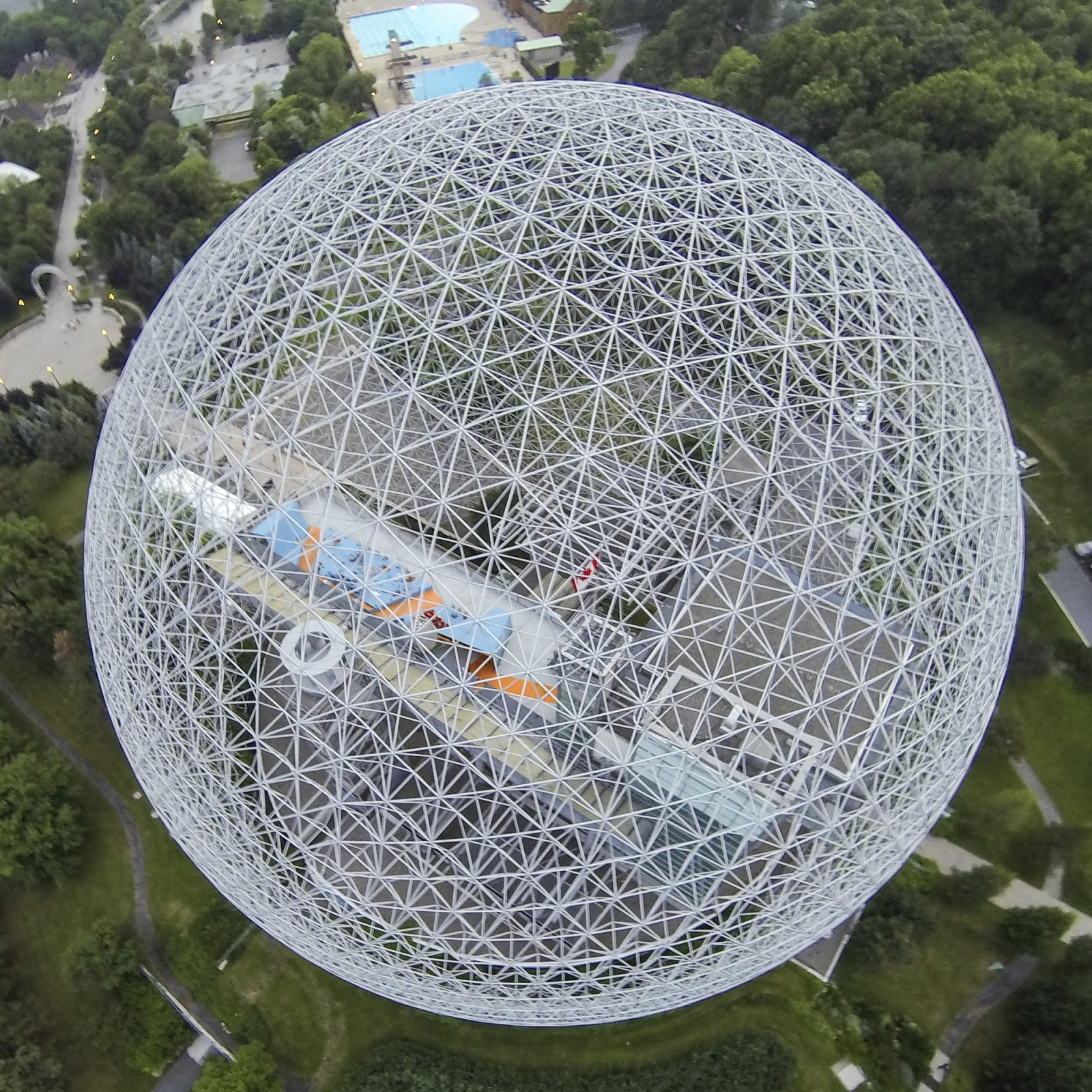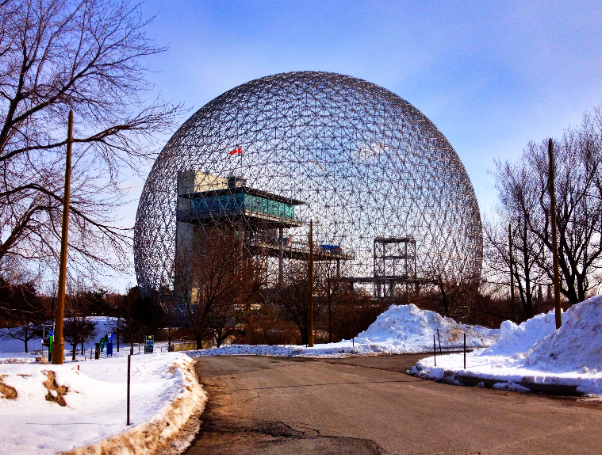

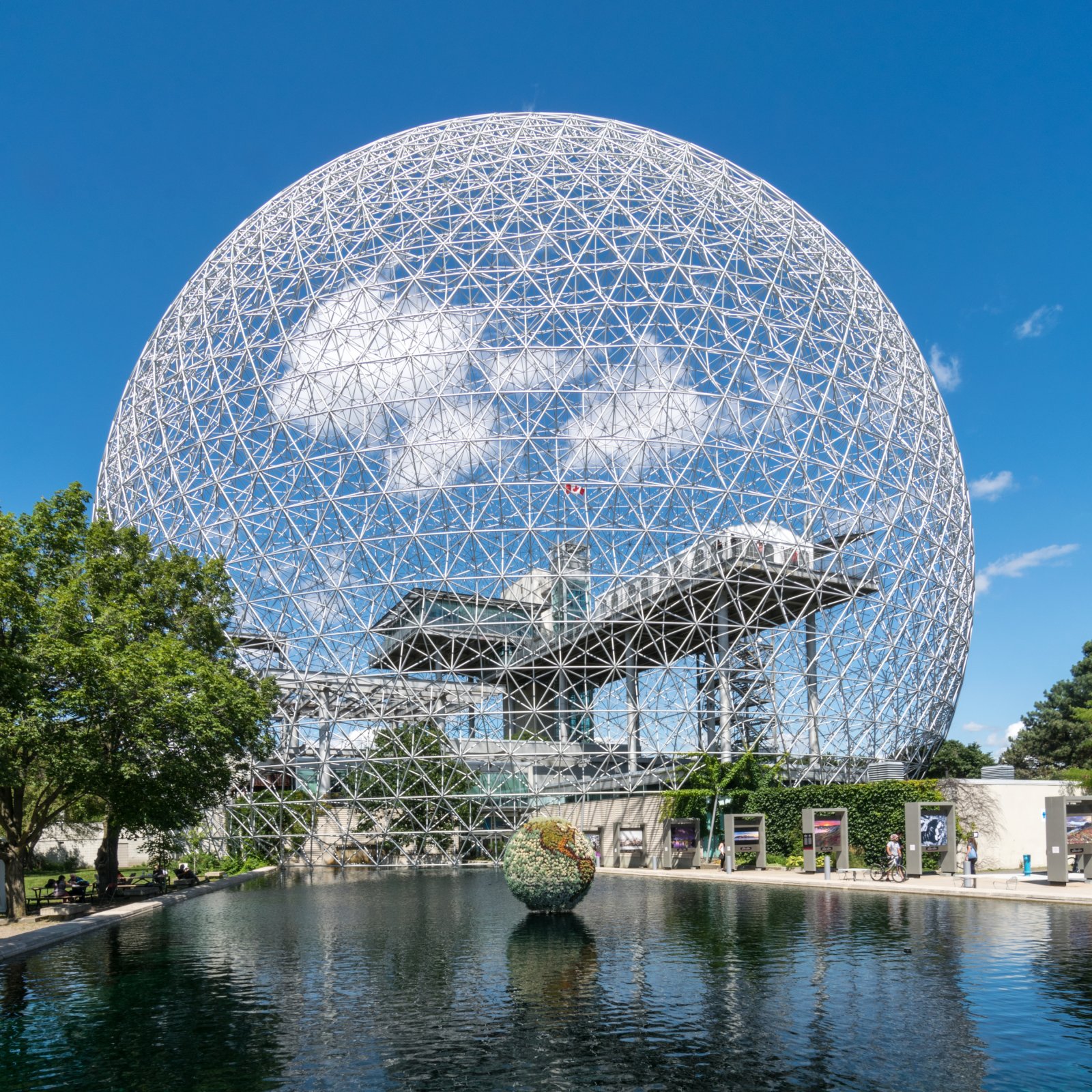
Nestled on the picturesque Saint Helene’s Island, the Biosphere Environmental Museum stands as a vibrant testament to both Montréal's rich history and its commitment to environmental education. Originally constructed for the Expo 67 World Fair, this striking structure was designed by the renowned architect Buckminster Fuller, whose visionary ideas on sustainability continue to inspire generations. The museum's unique architecture, characterized by its iconic geodesic dome, not only dazzles the eye but also serves as a fitting symbol of the harmonious relationship between humanity and nature.
### History and Origins
The Biosphere has deep historical roots dating back to the 1967 Expo, one of the most significant world's fairs in history. This event marked Canada's centennial and showcased the country’s technological advancements and cultural diversity. The Biosphere was initially conceived as a pavilion dedicated to the environment, a forward-thinking concept that was ahead of its time. After the expo, the pavilion faced various challenges, including a devastating fire in 1990 that destroyed much of its interior. However, it was revitalized and transformed into an environmental museum in 1995, focusing on education and awareness regarding pressing ecological issues.
### Art and Architecture
The architectural style of the Biosphere is a remarkable example of geodesic dome construction, a design that Buckminster Fuller championed for its efficiency and sustainability. The dome spans 60 meters and is composed of 20,000 aluminum and acrylic triangles. This innovative structure not only captures the imagination but also allows for an interactive and immersive visitor experience.
Inside, the museum is adorned with dynamic exhibitions that explore themes of water conservation, climate change, and biodiversity. The artistic significance of the space is further enhanced by rotating installations from local artists, who contribute their vision of the environment through various mediums, from sculpture to digital art.
### Local Culture and Traditions
Montréal is a melting pot of cultures, and this diversity is reflected in its vibrant local customs and traditions. The city hosts numerous festivals throughout the year, including the Montréal International Jazz Festival and the Just for Laughs comedy festival. However, the Biosphere also plays a role in promoting eco-conscious practices through events like Earth Day celebrations and workshops that encourage sustainable living.
Visitors can immerse themselves in the local customs by participating in hands-on activities at the museum, such as water filtration demonstrations and eco-art workshops. These events aim to foster a deeper connection with the environment and highlight the importance of individual action in combating ecological issues.
### Gastronomy
No visit to Montréal would be complete without indulging in its unique culinary scene. The city is famous for its poutine, a dish of fries topped with cheese curds and gravy, and bagels that rival those found in New York City. Near the Biosphere, visitors can explore local eateries that emphasize sustainability, such as those offering farm-to-table options and featuring local ingredients. Don’t miss trying a refreshing maple syrup-infused drink or sampling seasonal dishes that celebrate the local harvest.
### Lesser-known Curiosities
While the Biosphere is well-known for its environmental focus, many tourists miss the opportunity to explore its lesser-known features. For instance, the museum houses a living wall — a vertical garden that not only beautifies the space but also contributes to the air purification process. Additionally, the Biosphere offers stunning views of the Montreal skyline, particularly from its upper levels, where photographers can capture breathtaking sunsets.
Another fun fact is the museum's interactive water exhibit, which educates visitors about the Great Lakes – St. Lawrence ecosystem through engaging activities like virtual reality experiences that simulate water flow and ecosystem dynamics.
### Practical Visitor Information
The best time to visit the Biosphere is during the warmer months, from May to September, when the outdoor exhibits are open and the surrounding park is perfect for a leisurely stroll. Visitors should allow at least two to three hours to fully experience the museum's offerings.
Tip: Check the museum’s calendar for special events or temporary exhibitions that may align with your visit. Booking tickets in advance can save time, especially during peak tourist seasons.
As you plan your visit to this ecologically rich sanctuary, consider utilizing the Secret World app for a personalized itinerary that will help you uncover the hidden gems of Montréal.