



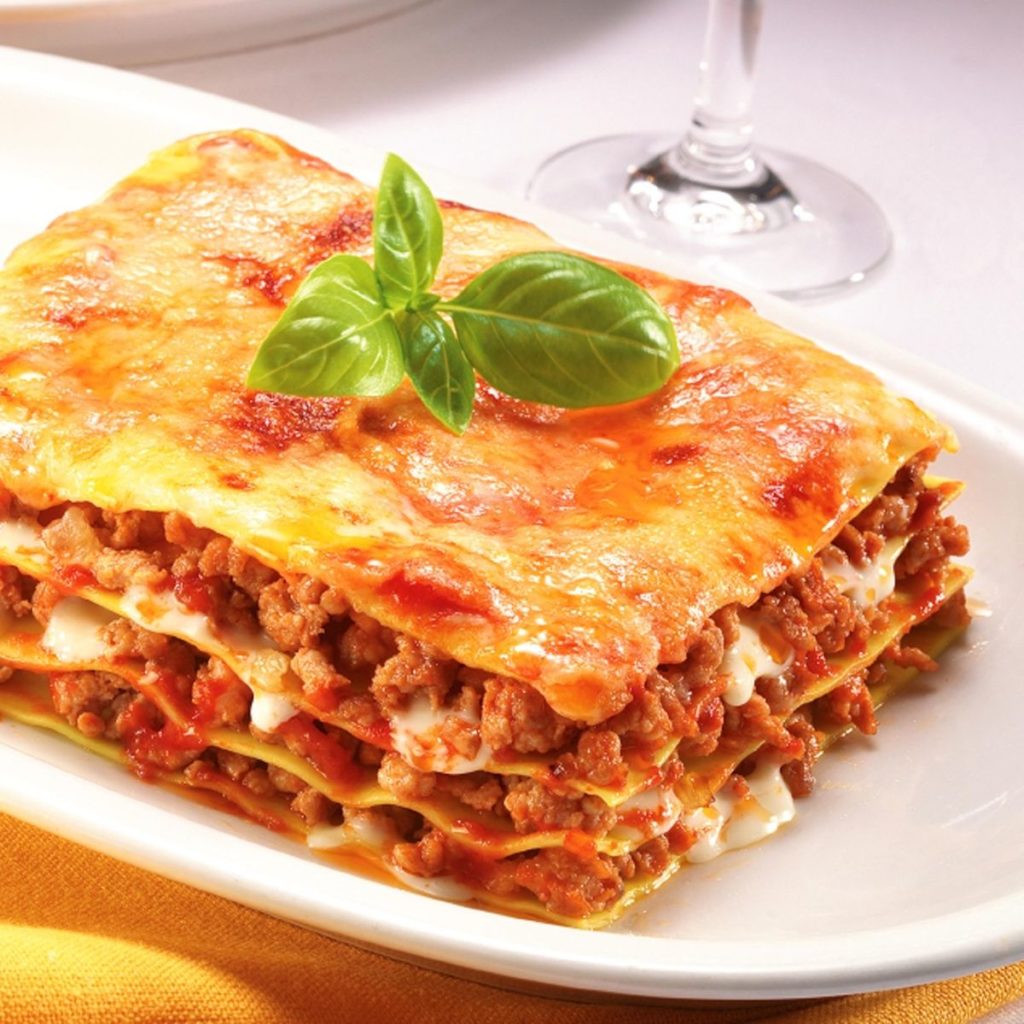
Who has never eaten Bolognese lasagna with ragù? At least once in your life you have.Bolognese lasagna ഒരു ആദ്യ അടങ്ങുന്ന പാളികൾ പച്ച മുട്ട തവണയും പേസ്ട്രി (prepared with spinach) interspersed with പാളികൾ Bolognese sauce and béchamel സോസ്. അവർ പിന്നെ തളിച്ചു superficially with Parmesan-Reggiano ചീസ് ചുട്ടതും.
Lasagna, whose name comes from the Latin làganum (limp/soft), സാധാരണ വിഭവം ആരുടെ origins date back to ഗ്രീക്കോ-റോമൻ times. പഴയ lasagna ഇന്ന് നിലനിൽക്കുന്നു. ഒരേയൊരു നാമം രൂപവും പോലെ ഒരിക്കൽ അവിടെ ഉണ്ടായിരുന്നു variants very different from the current one. There are documents, as സെവിലിലെ ഇസിദോർ നമ്മെ ഓർമിപ്പിക്കുന്നു (VI / VII നൂറ്റാണ്ട്), ആർ സംസാരിക്കുന്നു എന്ന്. അവന്റെ പ്രവൃത്തി Etymologiae പാസ്ത ആദ്യം വേവിച്ച പിന്നീട് വറുത്ത ആൻഡ് interspersed with varied മാംസം pasties അല്ലെങ്കിൽ ചുട്ടു പാളികൾ കൂടെ അരിഞ്ഞ ഇറച്ചി. It is during the Middle Ages that we begin to find വിശദമായ പാചക ഏത് lasagna തുടങ്ങുന്നു എടുത്തു അതിന്റെ ആധുനിക രൂപമാണ്. സ്പ്രെഡ് ഈ കാലയളവിൽ ഉണ്ടാക്കി അവരെ so famous that many poets of the time praised them; Jacopone ദ Todi in ഉമ്പ്രിയ, Cecco Angiolieri ൽ ടസ്കനി, fra ' Salimbene നിന്ന് പർമാ. എമിലിയ കൊണ്ട് വരവ്. മുട്ട പാസ്ത, during the Renaissance, the recipe was വ്യക്തിഗത ഉപയോഗിച്ച് മുട്ട പാസ്ത പകരം സാധാരണ ഗോതമ്പ് മാവ് പാസ്ത. Lasagna അല്ല. ഒരു സാധാരണ വിഭവം മാത്രം Emilian എന്നാൽ were also known in Rome and ന്യാപല്സ് ആണെങ്കിലും, വ്യത്യസ്ത പാചകക്കുറിപ്പുകൾ. It was in fact the Romans who created them. ആദ്യം, as മാർക്കസ് Gavius Apicius reported on some of his documents, and it seems that ചോംസ്കി പോയി greedy, although the recipe was completely different from the modern one. ആധുനിക റോമൻ lasagna does not contain bechamel sauce, considered വളരെ ഒരത്ഭുതം, എന്നാൽ ഒരു ഇറച്ചി സോസ് (കൂടുതൽ തക്കാളി അധികം മാംസം) ഘടന ഒരു sauté പച്ചക്കറി അത്തരം ഉള്ളി, സെലറി ആൻഡ് കാരറ്റ് looks more ലിക്വിഡ്. ചില ഉപയോഗം ricotta, മറ്റുള്ളവരെ പേജ് ചീസ് as an alternative to bechamel sauce. In Naples lasagna is the carnival, ആരുടെ ഇൻവോയ്സ് വളരെ ദിയോറ കൂടുതൽ സങ്കീർണ്ണമായ, where they join the usual ഇറച്ചി സോസ്, വളരെ ചായയ്ക്ക് അധികം bolognese, കൂടാതെ വറുത്ത മീശ അരിഞ്ഞ ഇറച്ചി, മുട്ട, Parmesan and breadcrumbs. ഓരോ പാളി പാസ്ത alternates ഒരു ലൈനിലുള്ള, ricotta, മീശ ആൻഡ് പുഴുങ്ങിയ മുട്ട വെട്ടി crosswise. ശേഷം പാളികൾ are finished തളിക്കേണം, സോസ് പേജ് ചീസ് ചുട്ടു as usual. പ്രത്യക്ഷമായും രാജാവിന്റെ രണ്ടു Sicilies, ഫ്രെഡി II, ഇഷ്ടപ്പെട്ടു lasagna so much that they nicknamed അവനെ "Lasagna King". Lasagna Marche അല്ലെങ്കിൽ vincisgrassi, prepared in the most important occasions ഉണ്ട് ഒരു പാചകക്കുറിപ്പ് very similar to that of Both. പേര് vincisgrassi derives from a dialect വളച്ചൊടിക്കൽ, as it seems that the lasagna ആയിരുന്നു പ്രതിഷ്ഠ ഓസ്ട്രിയൻ ജനറൽ ആല്ഫ്രഡ് von Windisch-Graetz who had fought വേണ്ടി മാർപ്പാപ്പ during the siege of Ancona in 1849. The original recipe seems to have അടങ്ങിയിരിക്കുന്ന ചിക്കൻ giblets, മജ്ജ, bovine പ്രതിഭകളെ ഒപ്പം / അല്ലെങ്കിൽ ഓര്ത്ത്, എങ്കിലും ഇന്ന് അംശമോ ചിക്കൻ തലച്ചോറ് തന്നെ അപ്രത്യക്ഷമായി. പകരം ഒരു ragù നിലത്തു ബീഫ് is created, combined with a വറുത്ത ഉള്ളി, സെലറി, കാരറ്റ്, തക്കാളി സോസ്. The whole thing is പിന്നീട് വേവിച്ച for at least 2 hours. The pasta is based on semolina, മുട്ട. ഓരോ പാളി is composed of ragù പ്ലസ് വറ്റല് Parmigiano-Reggiano interspersed, of course, with ഷീറ്റുകൾ വേവിച്ച പാസ്ത (മുമ്പ് ഉണക്കിയ and cooled). At the end it is covered with abundant സോസ്, bechamel ആൻഡ് mozzarella. ഇപ്രകാരം verified the fact that the origin of lasagna കൂടുതൽ നീപോളിറ്റൻ അധികം Emilian, the coding of the original recipe seems to be due to some Bolognese restaurateurs who at the beginning of the '900 deposited the recipe. It seems strange that Artusi തന്റെ" science in the kitchen and the art of eating well " എന്ന 1891 ഉണ്ടായിരുന്നു മറന്നു. ഈ പാചകക്കുറിപ്പ് അങ്ങനെ വ്യാപകമായ എമിലിയ. 2003 the Accademia italiana della cucina submitted to ചേമ്പർ ഓഫ് കൊമേഴ്സ് felsinea പാചകക്കുറിപ്പ് വേണ്ടി പച്ച lasagne ജീവനക്കാരും bolognese.
