
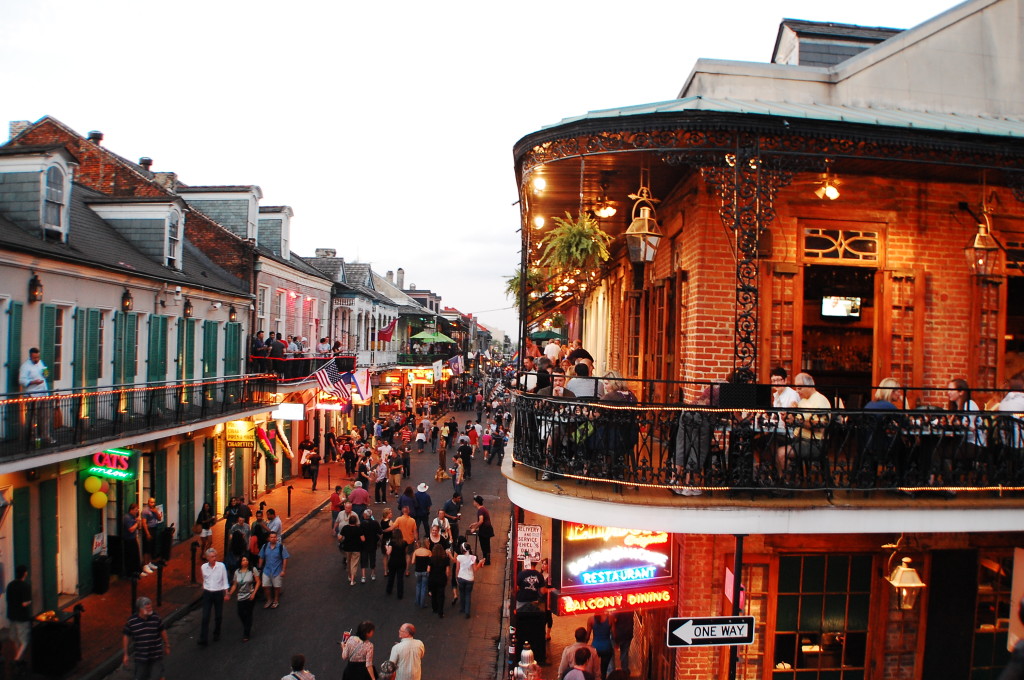

Nestled in the heart of the French Quarter, Bourbon Street is a vibrant testament to New Orleans' unique blend of history, culture, and revelry. With its origins dating back to the city's founding in 1718 by Jean-Baptiste Le Moyne de Bienville, Bourbon Street has evolved from a residential hub into one of the most famous streets globally, embodying the spirit of New Orleans.
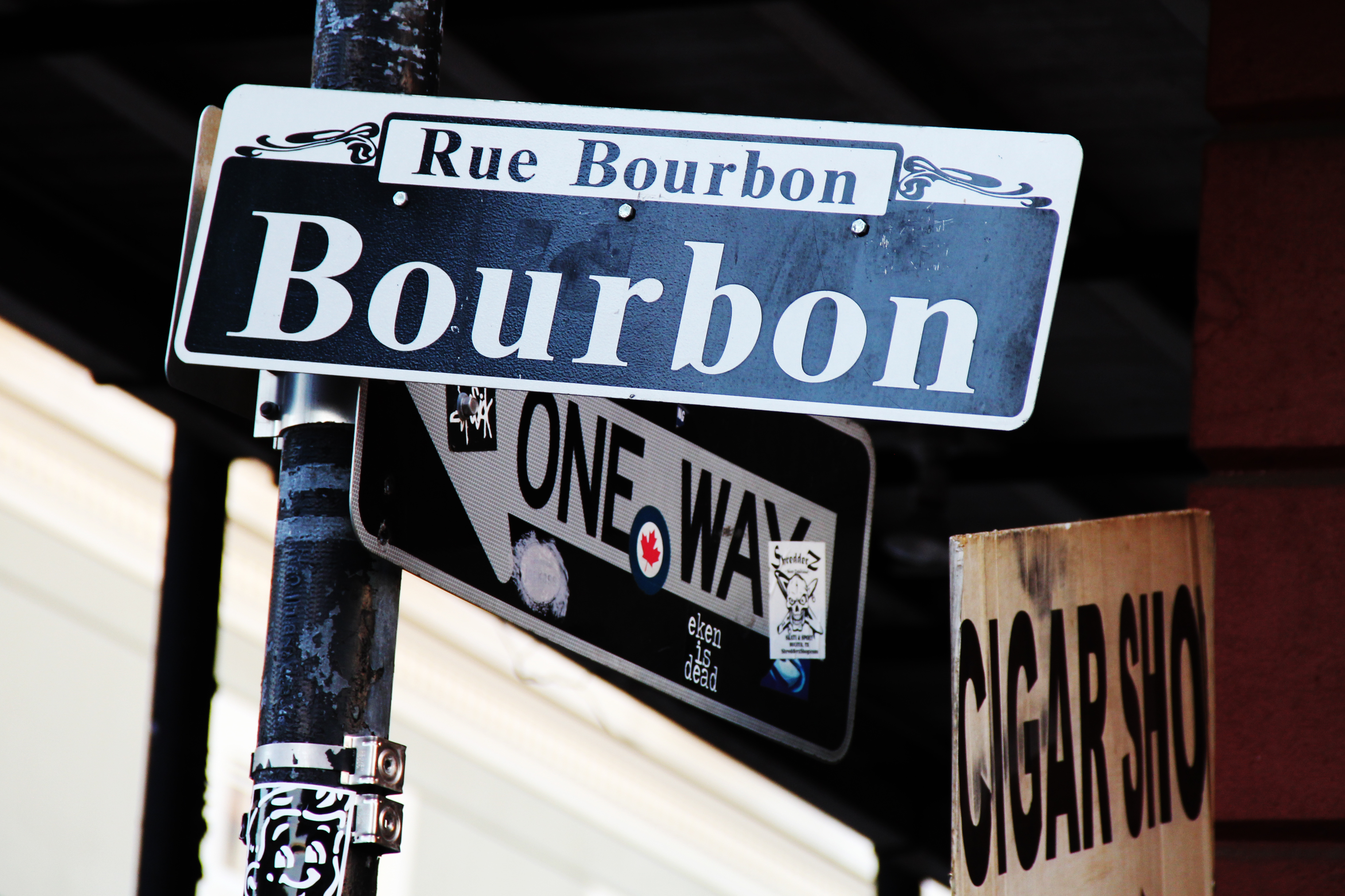
Bourbon Street's history reflects the rich tapestry of New Orleans itself. Named after the French royal family, the House of Bourbon, the street was laid out in 1721 by Adrien de Pauger, a French engineer who designed the city’s original street grid. Over the centuries, Bourbon Street has witnessed a myriad of historical events, from the Spanish colonial period to the American Civil War and beyond. Its architecture is a stunning heritage of these eras, with Spanish and French influences evident in the wrought-iron balconies and colorful facades that line the street.
The art and architecture of Bourbon Street are as much a draw as its nightlife. The buildings boast a distinctive Creole style, a blend of Caribbean, French, and Spanish influences. The intricate ironwork that adorns balconies is a hallmark of the area, offering a picturesque view that feels plucked from a bygone era. Notable among these is the Jean Lafitte’s Blacksmith Shop Bar, one of the oldest surviving buildings in the French Quarter, with its rustic, weathered charm that continues to attract visitors seeking a glimpse into the past.
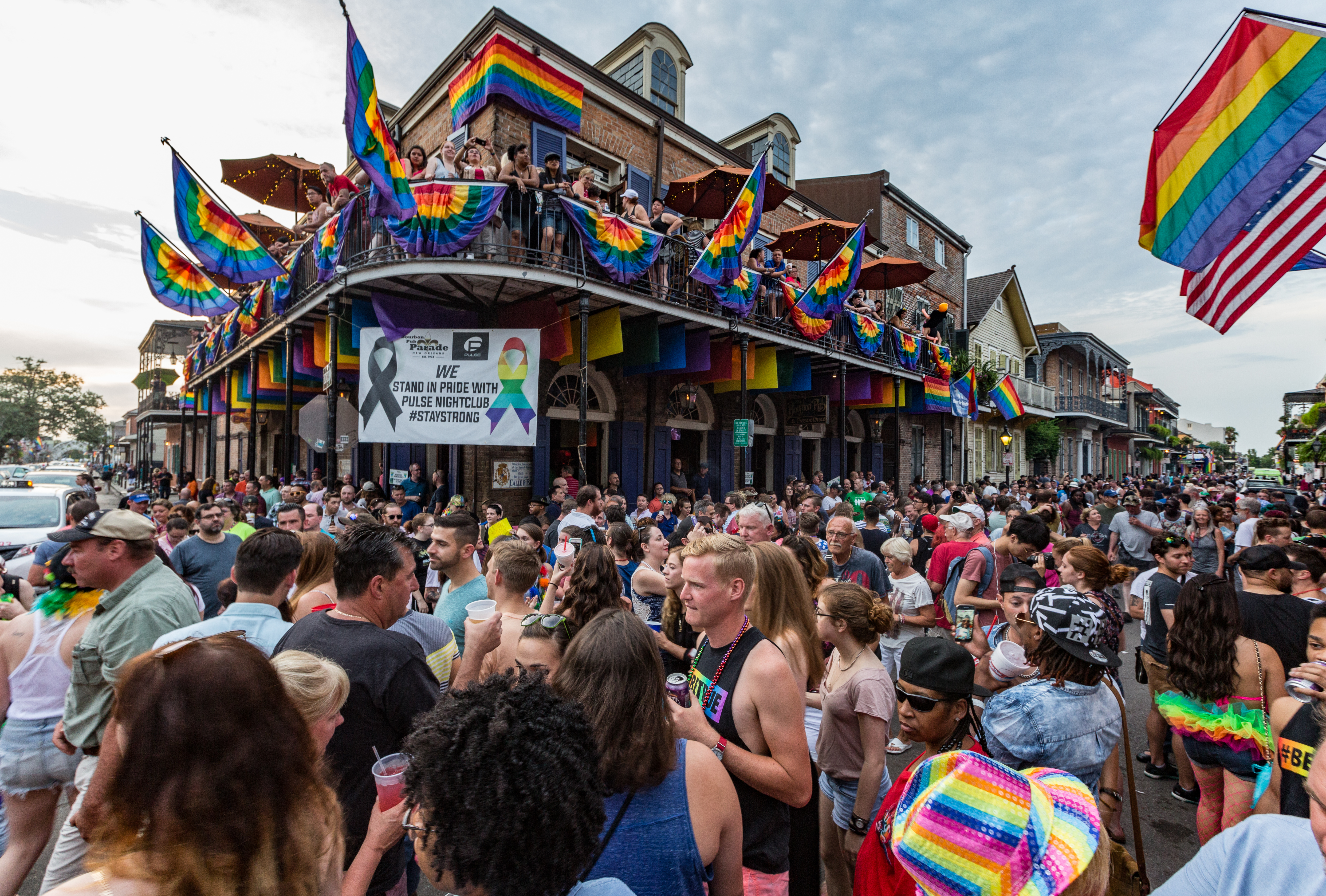
Beyond its physical beauty, Bourbon Street's culture and traditions pulsate with life. Known for its vibrant atmosphere, the street is the epicenter of New Orleans' famed Mardi Gras celebrations. This exuberant festival, rooted in French Catholic tradition, transforms the street into a kaleidoscope of colors, music, and festive chaos. Throughout the year, live jazz and blues echo from the clubs lining the street, with the strains of a saxophone or trumpet capturing the soul of New Orleans. Local customs, like the Second Line parade, a joyful procession that often follows weddings or funerals, are a testament to the city’s ability to celebrate life in all its forms.
No exploration of Bourbon Street would be complete without indulging in its gastronomy. The street offers a taste of New Orleans through its iconic Creole and Cajun dishes. Visitors can savor gumbo, a hearty stew brimming with seafood and spices, or try jambalaya, a flavorful mix of rice, meat, and vegetables. The street’s many bars serve up classic cocktails like the Sazerac and the Hurricane, the latter a potent concoction synonymous with Bourbon Street’s lively nightlife.
While Bourbon Street's bustling nightlife and historical allure are well-known, there are lesser-known curiosities that add to its mystique. For instance, the street was once home to a burgeoning theater district in the 19th century, with venues like the French Opera House providing cultural enrichment to the city’s elite. Another surprising fact is that the street has a hidden spiritual side, with several voodoo shops and practitioners offering insights into this often-misunderstood religion that has deep roots in New Orleans.
For those planning to visit, practical information is key to making the most of Bourbon Street. The best time to experience its full vibrancy is during the cooler months from October to April, when the weather is pleasant, and festivals are in full swing. If visiting during Mardi Gras, booking accommodations well in advance is advisable due to the influx of tourists. While exploring, take time to wander down side streets and alleys, where hidden gems like local art galleries and quiet courtyards offer a respite from the bustling thoroughfare.
In essence, Bourbon Street is more than just a destination; it is the beating heart of New Orleans, a place where history, culture, and celebration converge. Whether you’re drawn by its historic architecture, lively music, or culinary delights, Bourbon Street offers an experience that lingers long after the last notes of jazz fade into the night.


