

In the heart of Italy's Marche region lies Ancona, a port city steeped in history and flavor. Nestled along the eastern coast, facing the Adriatic Sea, Ancona's rich tapestry of cultural influences is woven through its architecture, culinary traditions, and vibrant local customs. Stepping into this city is like entering a living museum, where every corner tells a story, and every dish evokes a time long past.
History and Origins
The history of Ancona stretches back to ancient times when it was founded by the Syracusans in the 4th century BC. Its name, derived from the Greek word for "elbow" (ankóna), refers to the shape of its natural harbor. Under Roman rule, Ancona flourished as a vital trade port, becoming a key player in maritime commerce. The city's strategic location made it the main port of the Papal States in the Adriatic, facilitating not just trade but also cultural exchange.
Throughout the Middle Ages, Ancona was marked by significant events such as the arrival of the Crusaders and its role in the Italian Renaissance. The city's fortifications, notably the Trajan's Arch, built in 115 AD, still stand as a testament to its historical significance. In 1532, Pope Clement VII granted Ancona the status of a free port, further boosting its economic prowess and attracting merchants from across Europe.
Art and Architecture
Wandering through Ancona, visitors are treated to a mix of architectural styles reflecting its rich history. The Cathedral of San Ciriaco, perched on a hill overlooking the sea, showcases Romanesque and Gothic elements. Its construction began in the 11th century and features intricate carvings and a stunning rose window.
Another architectural gem is the Loggia dei Mercanti, a beautiful example of Renaissance architecture built in the 15th century, serving as a marketplace and social hub. Here, local artisans sell their wares, echoing the bustling commerce of centuries past. The blend of styles—from Roman to Baroque—creates a unique visual narrative, inviting exploration and admiration.
Local Culture and Traditions
Ancona's culture is a vibrant tapestry of traditions influenced by its maritime heritage. Festivals abound, with La Madonna della Misericordia celebrated in May, paying homage to the city's patroness. This event features a colorful procession, traditional music, and local delicacies, drawing both locals and visitors into the heart of Ancona's communal spirit.
The Palio di San Ciriaco, held in early May, is another notable event where neighborhoods compete in a historic race, showcasing traditional costumes and local pride. These festivities offer a glimpse into the warm, welcoming nature of Ancona's residents, who take great pride in their city's heritage.
Gastronomy
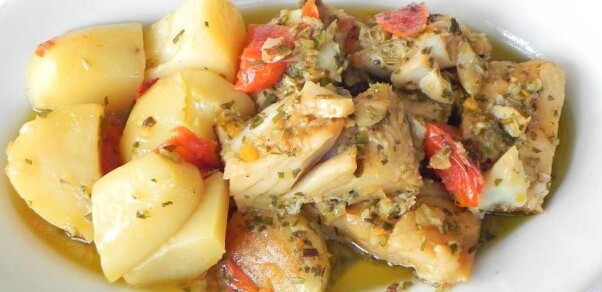
No visit to Ancona is complete without indulging in its culinary delights. The star of the local cuisine is undoubtedly Stocco all'anconetana, a dish steeped in history and tradition. This stockfish dish originated during a time when fresh fish was scarce. Ancona's maritime connections to Norway allowed for the import of stockfish, and the dish became a culinary staple, especially during Lent.
Preparation is an art form: pieces of stockfish are gently layered with chopped celery, carrot, onion, and tomatoes, then generously drizzled with extra virgin olive oil and Verdicchio dei Castelli di Jesi wine. The secret lies in the slow cooking process—no stirring allowed, ensuring that the fish remains intact. The result is a dish that embodies the essence of Ancona: rich, flavorful, and deeply rooted in tradition.
Other local specialties include brodetto, a fish stew made with various seafood and a unique blend of spices, and crescia, a savory flatbread often enjoyed with local cheeses and cured meats. Pair your meal with a glass of Verdicchio, a white wine known for its crisp minerality, which complements the region's seafood perfectly.
Lesser-known Curiosities
While Ancona is rich in well-trodden attractions, it also hides lesser-known gems. For instance, the Civico Museo Archeologico houses artifacts dating back to the Roman era, including stunning mosaics and ancient pottery. Many tourists miss this treasure trove, which offers deeper insights into the city's storied past.
Moreover, the Piazza del Plebiscito, often overlooked, is a charming square surrounded by historical buildings and vibrant cafés. Here, you can observe the daily life of locals, sipping a coffee while soaking in the atmosphere that has remained unchanged for generations.
Practical Visitor Information
The best time to visit Ancona is during the spring and early autumn months, when the weather is mild and pleasant, ideal for exploring the city’s outdoor attractions. Make sure to wander through the historic center, where every street corner reveals a piece of history.
For those eager to delve into the culinary scene, consider timing your visit with one of the local food festivals, where you can sample various regional dishes.
In conclusion, Ancona is a captivating blend of history, culture, and gastronomy waiting to be explored. To make the most of your experience, consider using the Secret World app to plan a personalized itinerary that highlights the city's unique offerings.


