
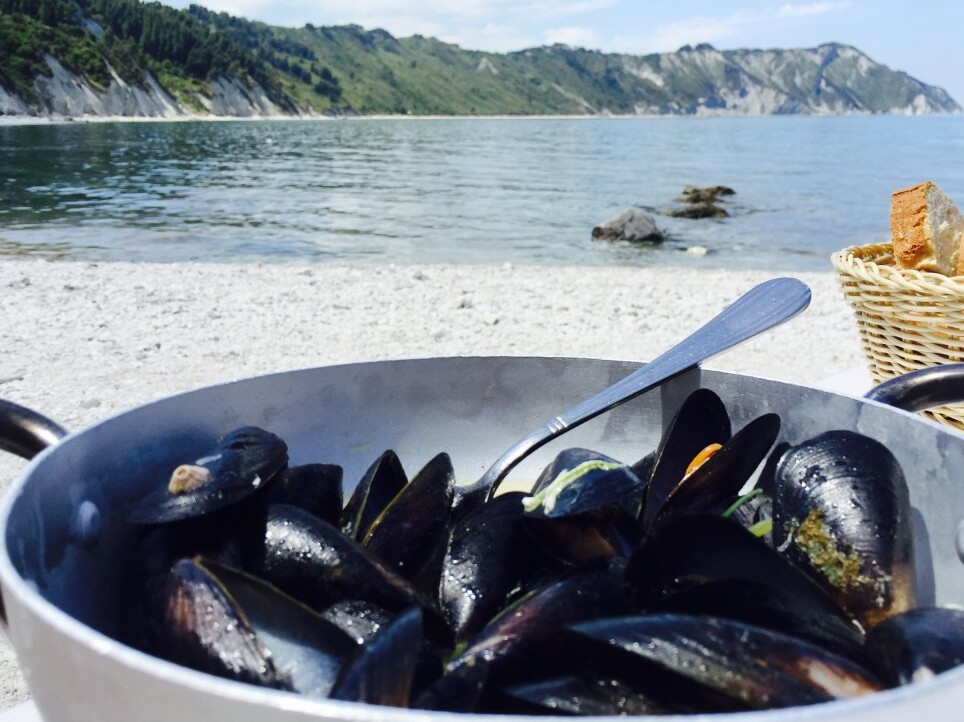

Nestled along the stunning Conero Riviera in Italy's Marche region, the Moscioli, or Conero mussels, represent not just a culinary delight but a rich tapestry of local history and culture. As you savor these unique shellfish, you are partaking in a tradition that has been nurtured through centuries, connecting past and present in a single bite.
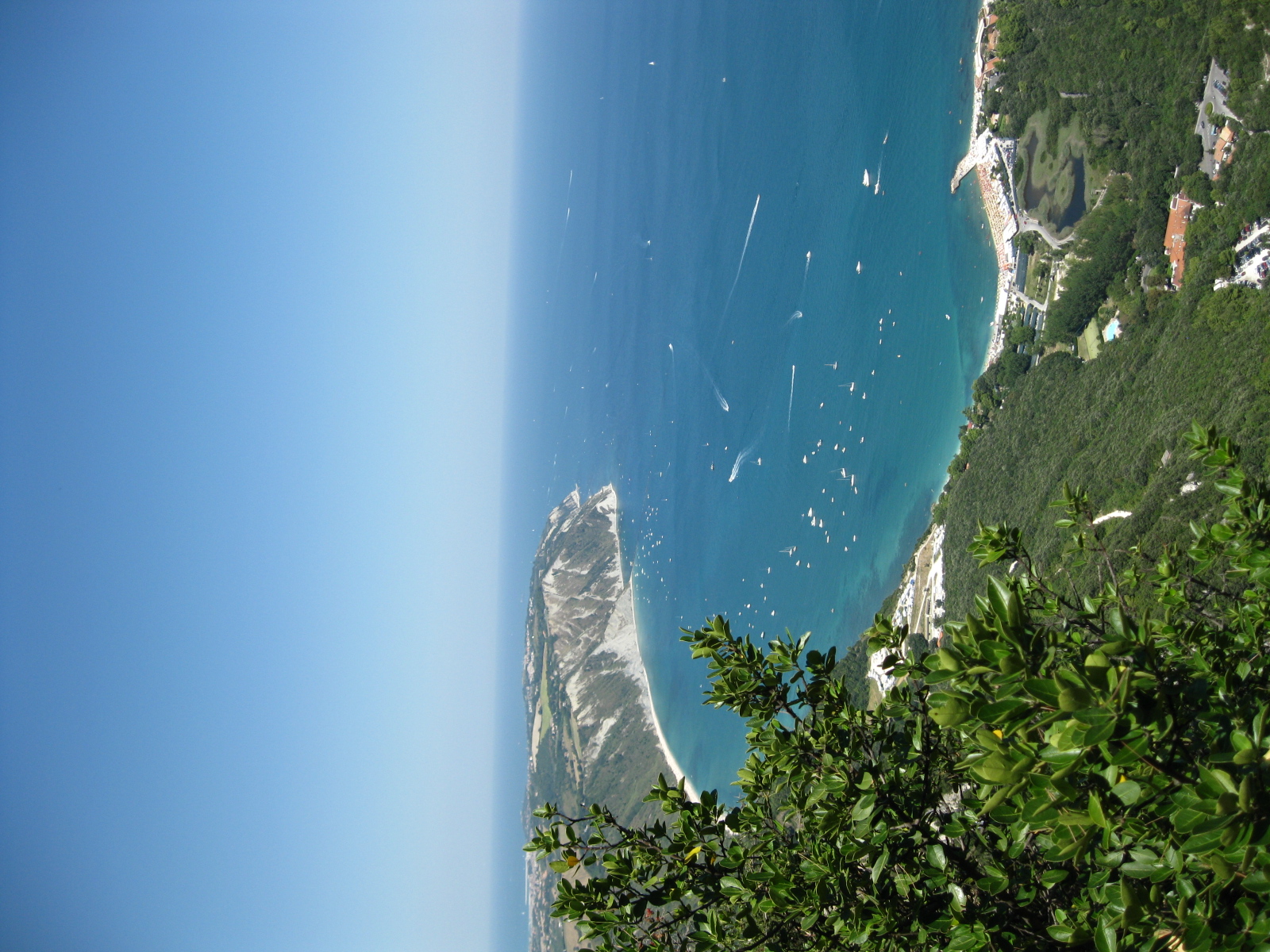
The origins of the Conero mussel can be traced back to ancient times when the Greeks and Romans thrived along the Adriatic coast. The region's Mount Conero, a striking limestone promontory, offers an ideal marine environment that fosters the growth of wild mussels. Unlike their farmed counterparts, these mussels cling to the rocky cliffs and are harvested directly from their natural habitat, lending them a distinctive flavor that is celebrated and revered.
As the centuries progressed, the fishing techniques evolved, but the essence of harvesting the Moscioli remained deeply woven into the local culture. The mussel fishery gained prominence in the Middle Ages, where it became a crucial part of the diet for coastal communities. Today, the Conero mussel has earned the status of a Slow Food Presidium, highlighting the importance of preserving traditional methods and sustainable practices. The annual Mosciolando festival is a testament to this commitment, drawing food enthusiasts from across Italy and beyond every summer to celebrate the delicacy.
While the culinary significance of the Conero mussel is profound, the art and architecture of the surrounding area are equally captivating. The towns of Sirolo and Numana, located near the mussel fishing grounds, boast charming medieval architecture, with narrow cobblestone streets and picturesque views of the Adriatic Sea. The Church of San Nicola in Sirolo, dating back to the 12th century, showcases Romanesque architectural styles that reflect the region's historical depth. Local artists often draw inspiration from the breathtaking coastal landscape, resulting in a vibrant community of painters and craftsmen who celebrate their heritage through their work.
Local customs and traditions are deeply intertwined with the fishing culture. The Mosciolando festival, typically held in July, transforms the coastline into a lively celebration of food, music, and community. Visitors can indulge in a variety of dishes featuring the prized mussels, prepared in numerous ways, but the traditional cooked marinara style—with a generous drizzle of extra virgin olive oil, a squeeze of lemon, fresh parsley, and a dash of pepper—is a must-try. This dish encapsulates the essence of local cuisine: simple, fresh, and bursting with flavor.
Beyond the festival, the region's gastronomy extends to other local specialties, including brodetto, a rich fish stew, and vincisgrassi, a traditional lasagna that reflects the influences of both rural and coastal culinary traditions. Pairing these dishes with a glass of Verdicchio, a local white wine, enhances the flavors and offers an authentic taste of the Marche region.
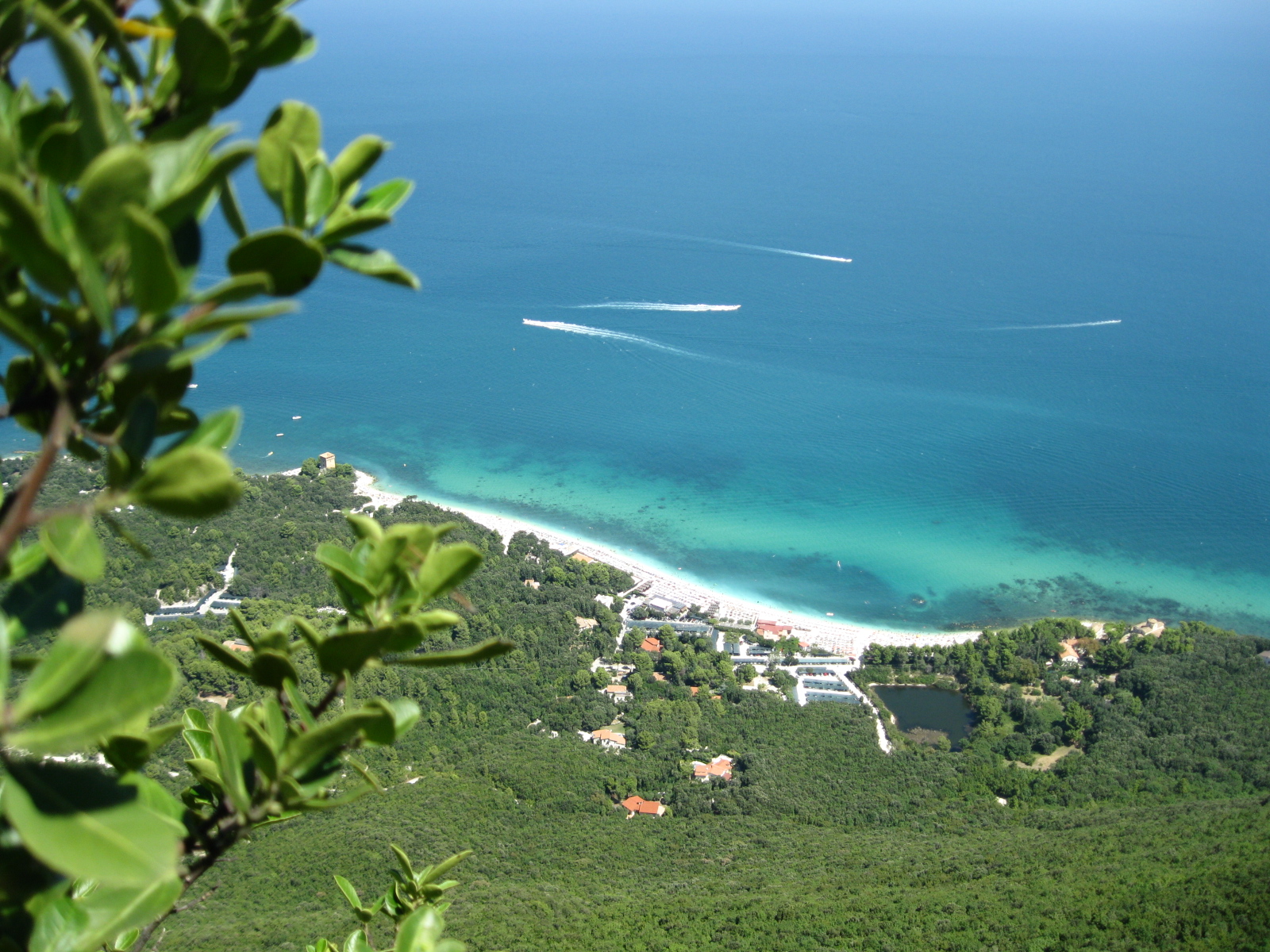
For those venturing off the beaten path, there are lesser-known curiosities that add to the allure of the area. The Conero Natural Park, established in 1987, is home to diverse flora and fauna, including rare species of birds. Hikers and nature lovers can explore scenic trails that lead to breathtaking viewpoints overlooking the sea, where one might catch glimpses of fishermen casting their nets in pursuit of the Moscioli. Additionally, the locals often share tales of the legendary Virgil, who is said to have praised the beauty of the Conero coastline in his writings.
The best time to visit the Conero Riviera, particularly for mussel enthusiasts, is from April to October. This period aligns with the fishing season, ensuring that visitors enjoy fresh Moscioli. To fully immerse yourself in the experience, plan your visit around the Mosciolando festival, which offers not only culinary delights but also a chance to mingle with locals and partake in traditional celebrations.
When exploring the region, don’t miss the chance to wander through the quaint streets of Sirolo and Numana, where local shops sell handmade crafts and regional delicacies. Engaging with local fishermen and learning about their techniques can offer deeper insights into the significance of this beloved mollusk.
As you plan your journey to this enchanting corner of Italy, consider using the Secret World app to craft a personalized AI itinerary that highlights the unique experiences waiting for you in the Conero Riviera.


