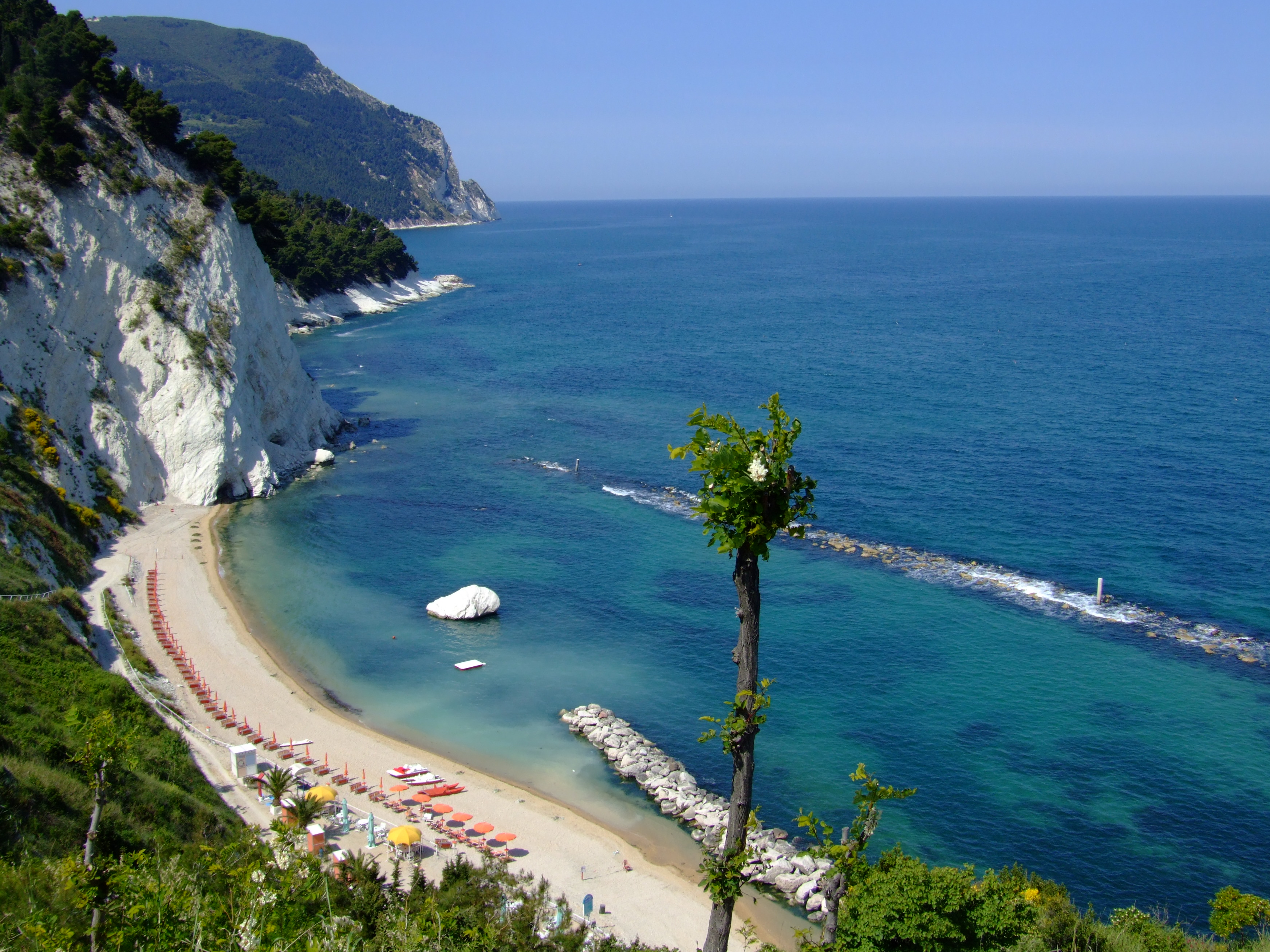
Nestled along the Adriatic coast, Numana stands as a picturesque fishing village that enchants with its vibrant colors, rich history, and natural beauty. Known as the Lady of Conero, this charming locale offers a seamless blend of tradition and breathtaking scenery, making it one of the most alluring spots along the Riviera del Conero.
### History and Origins
The origins of Numana date back to ancient times. According to historical accounts, the Sikels, an ancient population that predated the Greeks in Italy, are credited by Pliny the Elder as the founders of the town. This indicates that Numana has been inhabited since at least the 6th century BC. The settlement soon evolved into a significant Greek emporium, playing a vital role in trade across the Adriatic Sea.
As the centuries passed, Numana witnessed numerous historical events, including its incorporation into the Roman Empire. The nearby archaeological sites, particularly the necropolis, reveal a wealth of Picene artifacts, showcasing the area’s rich cultural heritage. The town's strategic location made it a coveted site for various empires, each leaving its mark on the landscape and its development.
### Art and Architecture
The architectural style of Numana is a delightful reflection of its historical tapestry. The historic center, known as Numana Alta, is characterized by narrow, winding streets flanked by colorful houses that lend a vibrant charm to the village. The Church of San Bartolomeo, dating back to the 12th century, is a notable landmark. Its intriguing Romanesque architecture, embellished with beautiful frescoes, tells the story of the town’s spiritual life throughout the ages.
Art lovers will find joy in the local galleries and workshops that celebrate the artistic heritage of Numana, where traditional crafts, particularly fishing nets and pottery, are still practiced. The confluence of art and everyday life here offers a unique glimpse into the local culture.
### Local Culture and Traditions
Numana’s culture is deeply rooted in its fishing heritage. Annual festivals celebrate this connection, with Festa del Mare taking center stage, honoring the sea and its bounty. This festival, taking place in July, features a colorful procession of fishing boats followed by traditional music and dance performances, attracting both locals and visitors alike.
The village also celebrates the Feast of San Bartolomeo, its patron saint, every August. This festival is marked by a vibrant procession, fireworks, and traditional food stalls, bringing together the community in a joyful homage to their heritage.
### Gastronomy
The flavors of Numana are as rich as its history. The local cuisine emphasizes fresh seafood, with dishes like brodetto, a traditional fish stew, showcasing the area’s maritime bounty. Visitors should not miss the chance to savor coniglio in porchetta, a slow-cooked rabbit dish seasoned with local herbs, as well as the delightful olive all’ascolana, stuffed and fried olives that make for a perfect appetizer.
Pair these culinary delights with local wines such as Verdicchio dei Castelli di Jesi, a refreshing white wine that complements the region's seafood perfectly. The local eateries, often family-run, offer an authentic taste of Numana’s vibrant culinary scene.
### Lesser-known Curiosities
While many visitors are drawn to the stunning beaches and historic sites, a few hidden gems often go unnoticed. For instance, the Cave of the Frasassi, located nearby, is one of the largest karst caves in Italy and features breathtaking stalactites and stalagmites, attracting spelunkers and nature enthusiasts.
Moreover, Numana is home to the Sanctuary of the Blessed Virgin of the Conero perched on a hill, offering panoramic views of the coastline. This serene spot is often overlooked but offers a tranquil retreat for those seeking solitude and reflection.
### Practical Visitor Information
The best time to visit Numana is during the late spring and early autumn months, specifically from May to September, when the weather is warm and conducive to beach activities and outdoor exploration.
Travelers should take advantage of local transportation, with buses connecting Numana to nearby towns like Sirolo and Ancona. A leisurely stroll through the village’s charming streets, especially during the early morning or late afternoon, allows visitors to soak in the atmosphere and discover quaint shops and cafes.
Don’t forget to explore the surrounding Conero Regional Park, where hiking trails offer stunning views of the Adriatic and the lush landscape.
As you plan your visit, consider using the Secret World app to create a personalized itinerary that captures the essence of Numana and its hidden treasures.