



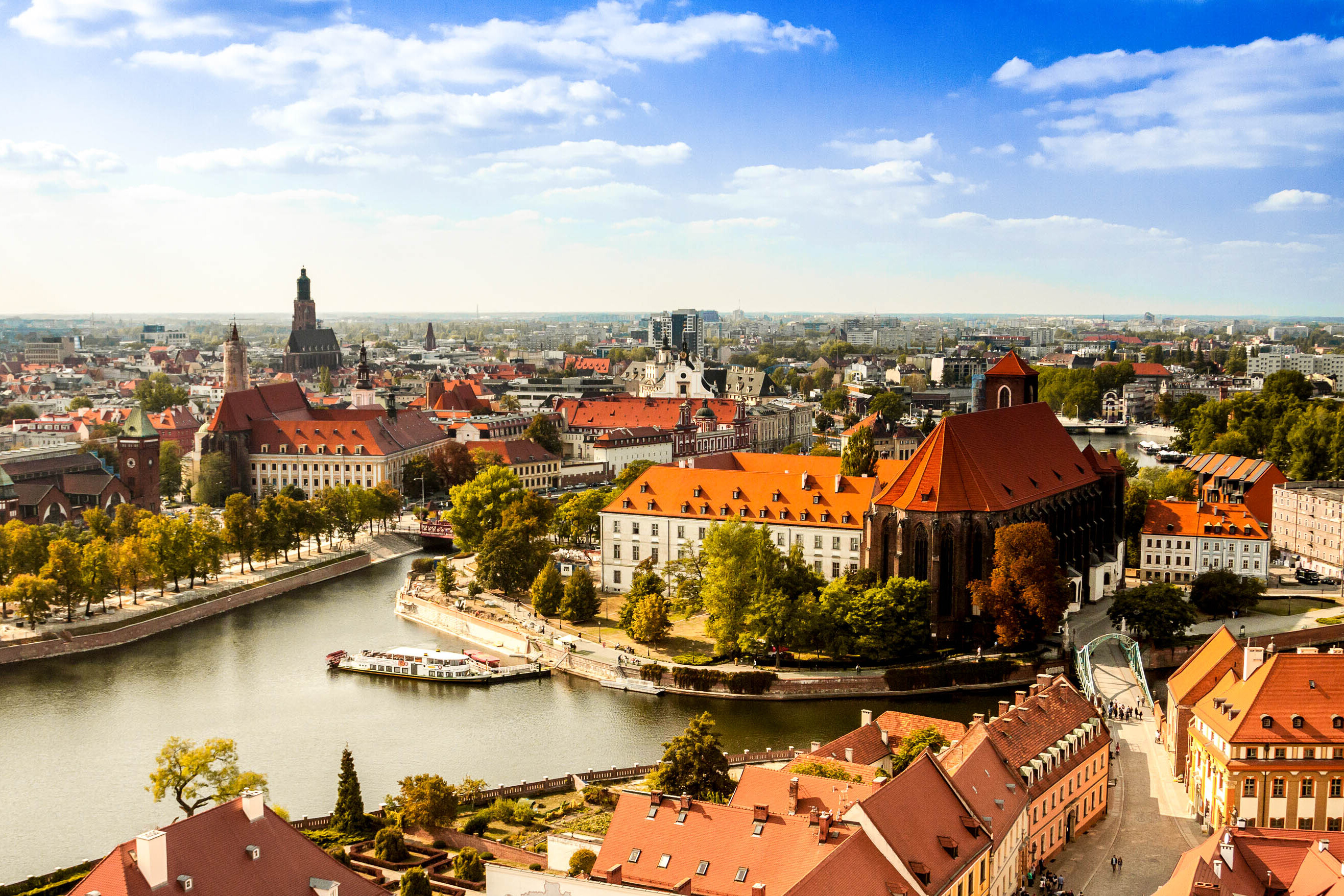
In the heart of Poland, Wrocław, historically known as Breslavia, unfolds as a tapestry woven from centuries of history, culture, and architectural splendor. This vibrant city, nestled along the banks of the Odra River, is an enchanting blend of the old and the new, where every corner whispers tales of its rich past.
### History and Origins
The origins of Wrocław date back over a thousand years, with evidence of settlement as early as the 10th century. Initially a Slavic stronghold, it became a significant center of trade and culture during the Piast dynasty. Its strategic location on trade routes facilitated cultural exchanges with various European nations.
Throughout its history, Wrocław has been a melting pot of influences, shifting under the reigns of the Czech Kingdom, Silesia, and the Habsburg Empire. The city's resilience is marked by pivotal events, such as the Thirty Years' War, which left it devastated, and later, the Silesian Wars, highlighting its importance in European geopolitics. After World War II, the city was transferred to Poland, and its German populace was largely replaced by Polish citizens, setting the stage for a new cultural identity.
### Art and Architecture
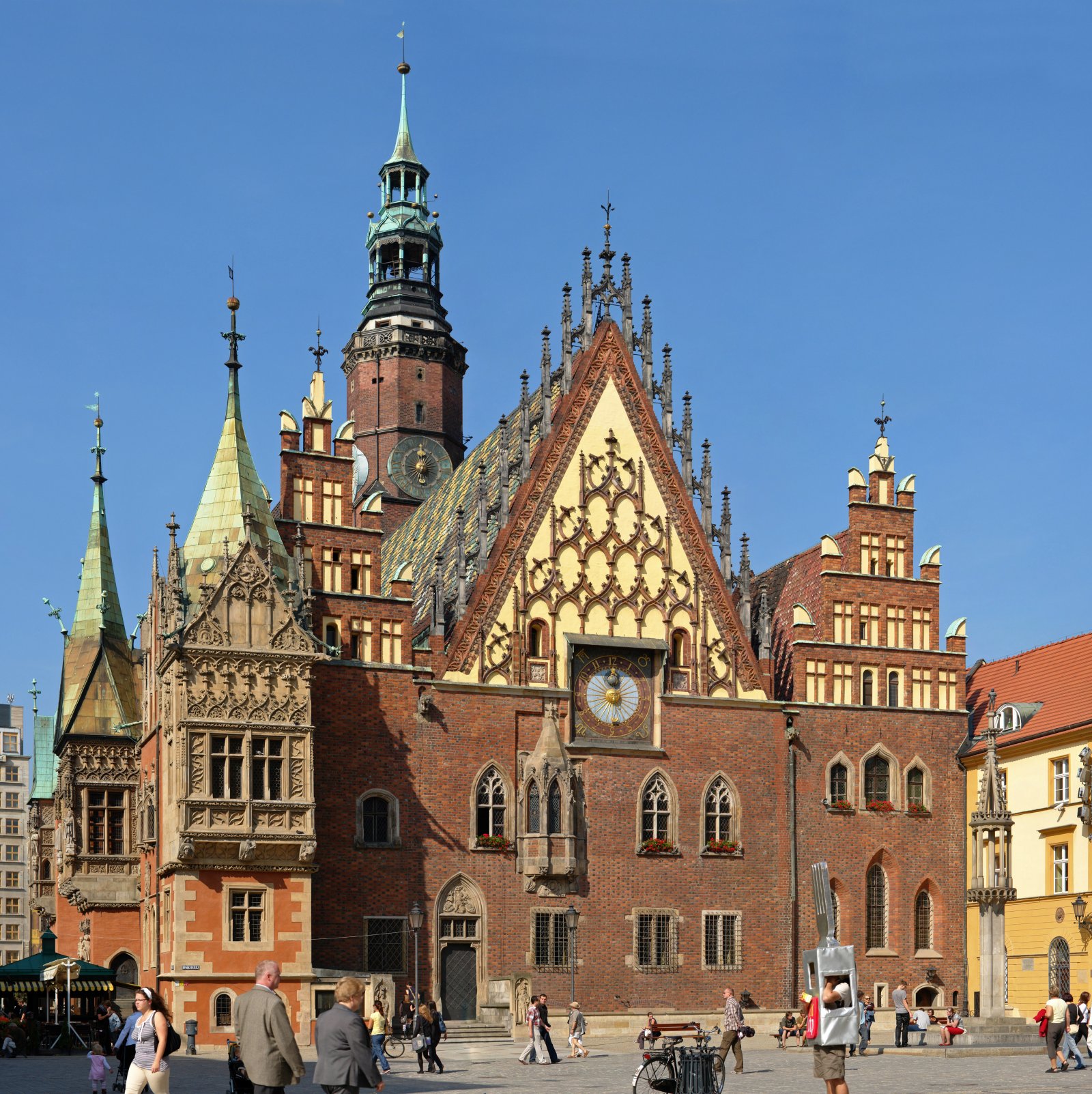
Wrocław is famed for its stunning Gothic architecture, exemplified by the magnificent Cathedral of St. John the Baptist on Ostrów Tumski. This cathedral, with its soaring spires and intricate stained glass, is a testament to the city’s medieval craftsmanship. The Wrocław Town Hall, located in the Main Market Square, is another architectural gem, renowned for its Gothic and Renaissance styles. Its ornate façade and the astronomical clock within are must-sees that reflect the city's historical significance.
The city also boasts a striking Baroque influence, visible in the grandeur of the University of Wrocław, founded in 1702. The Aula Leopoldina, a ceremonial hall adorned with frescoes and intricate stuccoes, encapsulates the spirit of scholarly pursuit that has thrived here for centuries.
### Local Culture and Traditions
Wrocław's cultural scene is vibrant and diverse, shaped by its historical tapestry. The city hosts numerous festivals, with the Wrocław Non-stop festival celebrating various artistic expressions, from theater to music. Additionally, the Wrocław Good Beer Festival draws beer aficionados, showcasing the region's brewing traditions.
Among local customs, the celebration of Wigilia, the traditional Christmas Eve dinner, is steeped in Polish folklore. Families gather to share a meal that includes barszcz (beet soup) and pierogi (dumplings), embodying the spirit of togetherness.
### Gastronomy
The culinary landscape of Wrocław is a delightful exploration of Silesian flavors. A must-try dish is kluski śląskie, or Silesian dumplings, often served with rich meat gravies. The city is also known for zrazy, rolled beef fillets stuffed with vegetables and spices, reflecting the Polish penchant for hearty fare.
For a sweet treat, sample sernik, a traditional cheesecake made with twaróg, a type of Polish curd cheese. Pair your meal with a glass of Żywiec, a popular Polish lager, or indulge in a warm cup of grzane wino, spiced mulled wine, especially during the festive winter months.
### Lesser-Known Curiosities
While Wrocław is renowned for its majestic architecture, it also harbors hidden gems. One such curiosity is the Wrocław Dwarfs, whimsical bronze statues scattered throughout the city. These charming figures, which originated as symbols of the anti-communist movement in the 1980s, have become a beloved part of Wrocław’s identity, inviting visitors to discover them in unexpected places.
Another intriguing fact is the city’s Ostrów Tumski, the oldest part of Wrocław, which was once a separate island. It is believed to be where the first Polish prince, Mieszko I, baptized in 966, set the course for Poland's Christianization.
### Practical Visitor Information
The best time to visit Wrocław is during the spring and early autumn months, when the weather is mild, and the city’s gardens and parks, especially along the Odra River, are in full bloom. For a unique experience, consider visiting during the Wrocław Christmas Market, which transforms the Main Market Square into a winter wonderland filled with crafts, food, and festive cheer.
When exploring the city, take advantage of the efficient public transport system, including trams and buses. Walking tours are also highly recommended, as many of Wrocław’s attractions are within walking distance of each other.
As you wander the charming streets, be sure to look up; the intricate facades and vibrant murals are as captivating as the stories they tell.
For a truly personalized adventure through this historic city, consider using the Secret World app to create your own tailored itinerary for Wrocław.
