



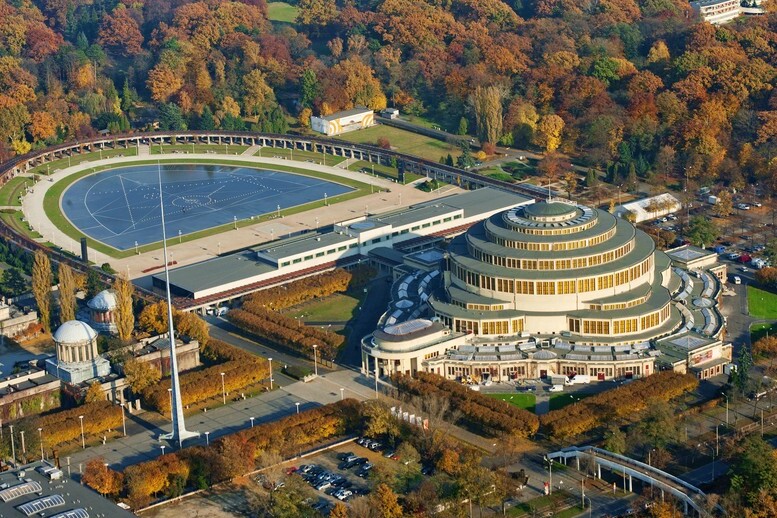
Nestled in the heart of Wroclaw, the Centennial Hall stands as a testament to the ingenuity of early 20th-century architecture. Completed between 1911 and 1913 by the visionary architect Max Berg, this monumental structure was designed as a multi-purpose recreational building for the Wroclaw Exhibition Grounds. The hall's architecture, in the shape of a symmetrical quatrefoil, features an expansive circular central space with a capacity to seat around 6,000 people. Topped with a striking 23-meter-high dome, adorned with a lantern of steel and glass, the Centennial Hall is regarded as a pioneering work in reinforced concrete architecture, showcasing a significant interchange of influences that would shape future construction techniques in the modern era.
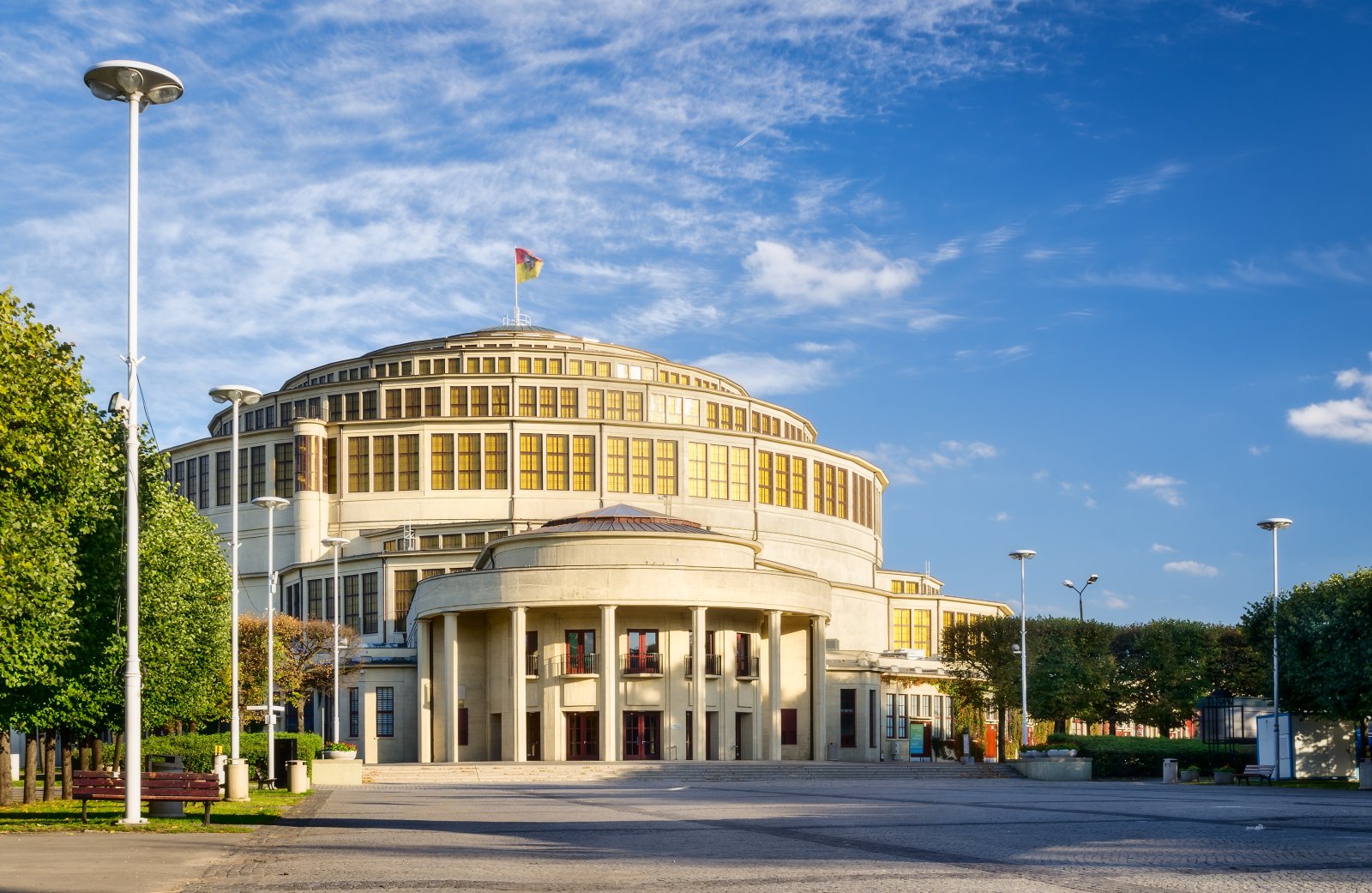
### History and Origins The history of Wroclaw is rich, with roots tracing back to the 10th century, when it was a significant trade and cultural center. Originally known as Breslau, it emerged as a key city in Silesia, experiencing various political shifts through the ages. The concept for the Centennial Hall came about as part of the Centenary Exhibition celebrating the 100th anniversary of the Battle of Leipzig, a pivotal event in the struggle against Napoleon. This exhibition aimed to showcase advancements in technology, industry, and culture, reflecting the spirit of progress at the dawn of the 20th century. The hall served as a symbol of unity and innovation, embodying the aspirations of a newly industrialized Europe.
### Art and Architecture Architect Max Berg drew inspiration from classical forms while embracing modern techniques, resulting in a design that is both timeless and innovative. The Centennial Hall is celebrated not just for its size but for its innovative use of materials, particularly reinforced concrete, which allowed for its vast open space without the need for supporting columns. Inside, the hall features striking frescoes by local artist Hans Poelzig and impressive sculptures that add to its artistic significance. The hall has also been the venue for numerous concerts, exhibitions, and events, making it a cultural hub in Wroclaw. Its design was groundbreaking at the time and continues to influence architects worldwide.
### Local Culture and Traditions Wroclaw is a city that thrives on its vibrant culture, reflected in its local customs and festivals. Every year, the city celebrates the Wroclaw Music Festival, attracting musicians and artists from around the globe. The Centennial Hall plays a central role in these festivities, serving as a venue for orchestral performances and artistic showcases. Additionally, the city is known for its unique tradition of Dwarfs, small bronze statues scattered throughout Wroclaw, each with its own story, adding a whimsical touch to the urban landscape. This tradition has become an integral part of the local identity, inviting both residents and tourists to engage with the city in a playful way.
### Gastronomy Wroclaw’s gastronomy is a delightful fusion of Silesian and modern culinary traditions. Visitors to the Centennial Hall can indulge in local dishes such as kluski śląskie (Silesian dumplings) and bigos (hunter's stew), showcasing the region's hearty flavors. Pair your meal with a glass of Złoty beer, a local brew that has become a staple in the region. For a sweet treat, try Makowiec, a poppy seed roll that reflects the region's rich baking traditions. Dining near the Exhibition Grounds often provides an opportunity to savor these local delicacies while enjoying the historical ambiance.
### Lesser-known Curiosities While the Centennial Hall is widely recognized, many visitors might overlook its acoustic properties, which are considered exceptional. The hall was engineered to create a unique auditory experience, making it an ideal venue for musical events. Additionally, beneath the hall lies a fascinating underground area containing the original exhibition artifacts from 1913, a hidden gem often missed by the casual visitor. The Centennial Hall was also added to the UNESCO World Heritage list in 2006, recognizing its architectural significance and cultural importance, ensuring its preservation for future generations.
### Practical Visitor Information The best time to visit the Centennial Hall is during the spring and summer months when the surrounding Exhibition Grounds are alive with activity and events. Early mornings or late afternoons are ideal for avoiding crowds, allowing you to fully appreciate the hall's grandeur. Make sure to check the schedule for concerts and exhibitions, as attending an event can provide a richer understanding of the hall's cultural role. Don’t forget to explore the surrounding area, including the Wroclaw Zoo and the picturesque Japanese Garden, both within walking distance.
Visiting the Centennial Hall in Wroclaw allows you to experience a blend of history, culture, and architecture that is truly captivating. For a personalized itinerary that includes the best of Wroclaw, consider using the Secret World app to uncover hidden gems and experiences tailored to your interests.
