



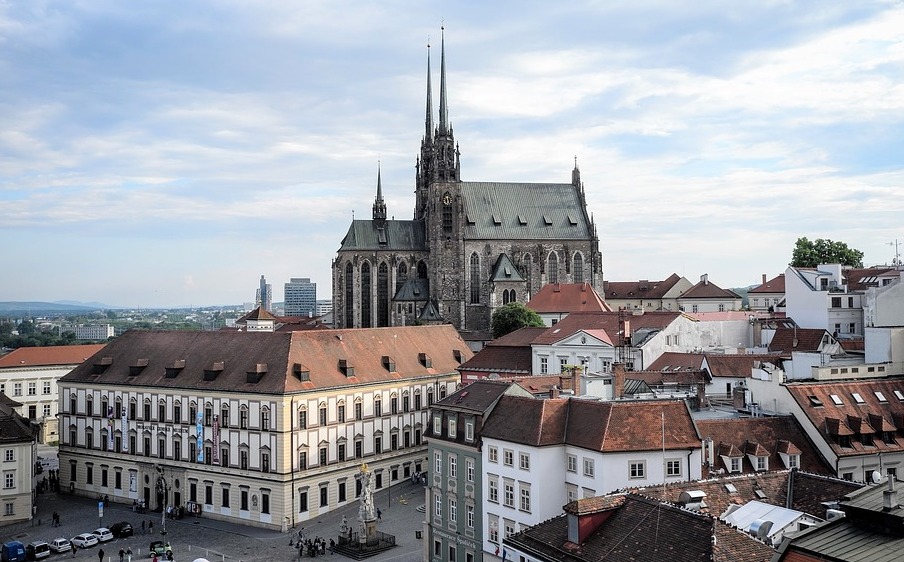
Perched majestically atop Petrov Hill, the Cathedral of St. Peter and Paul—affectionately known as Petrov—is not just a monument but a narrative carved in stone, echoing centuries of Brno's vibrant history. Its towering spires pierce the sky and serve as a beacon for locals and visitors alike, inviting exploration and reverence.
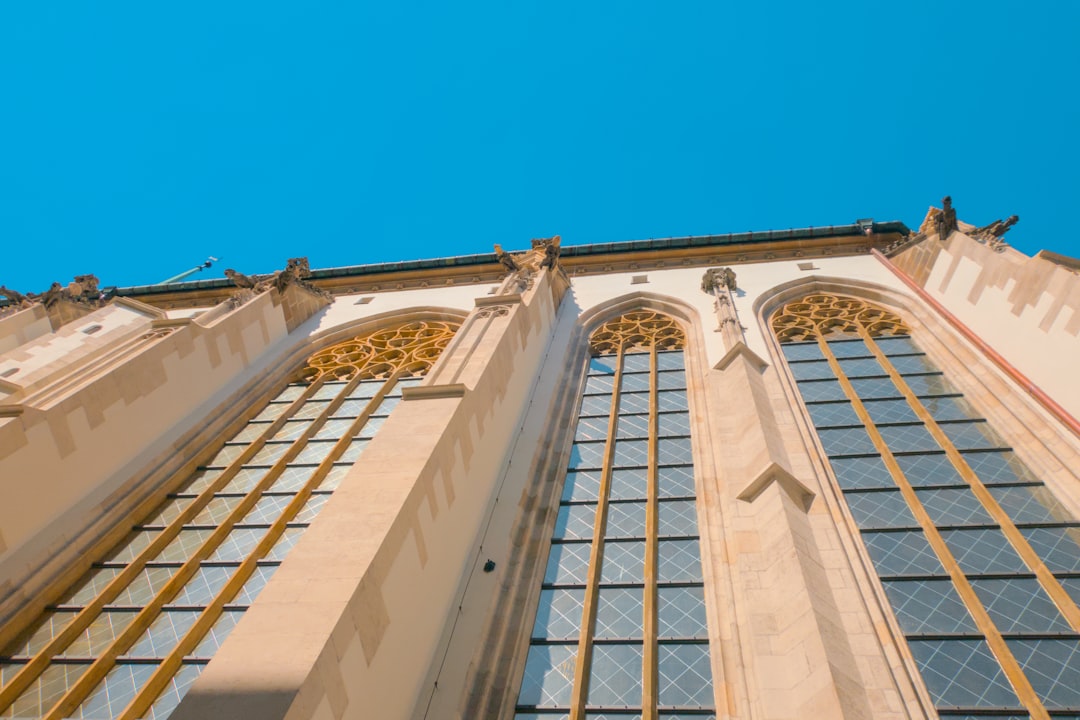
The origins of Petrov date back to the 11th century, when a humble Romanesque chapel was established on the hill, marking the site as a significant religious locale. By the end of the 12th century, a small church complete with an apse and a crypt was constructed, paving the way for further expansions. The 13th century saw the transformation of this modest structure into a grand Romanesque basilica—the remnants of which were unearthed during an archaeological study in the late 20th century. This discovery opened a fascinating window into the past, allowing the public to glimpse the foundations of Brno's religious heritage.
As centuries passed, the cathedral evolved. It was reconstructed in the early Gothic style, becoming a provost church and a hub for a collegiate chapter. The artistic vision of Mořic Grimm brought forth the Baroque interior we admire today, with intricate details that envelop visitors in a sense of divine grandeur. The main altar, a stunning creation from the late 19th century, showcases the artistic craftsmanship of the period, while the 'Kapistránka' pulpit, named for Saint John of Capistrano, stands as a tribute to the friar's impactful sermons in Brno in 1451.
Beyond its architectural beauty, the cathedral is steeped in local lore. The bells that adorn the twin towers ring at 11 AM instead of noon—a peculiar tradition rooted in a legendary tale involving Jean-Louis Raduit de Souches. During the siege of Brno by the Swedish army, General Torstenson promised to lift the siege if he had not conquered the city by the time the bells tolled at noon. In a clever ruse, de Souches ordered the bells to ring an hour earlier, securing Brno’s defense and embedding this story into the city's cultural fabric.
The local culture thrives around the cathedral, especially during various festivals and customs that celebrate its significance. One of the most notable events is the Feast of St. Peter and Paul, celebrated on June 29th, which draws communities together for religious observances, music, and feasting. The cathedral also plays a central role during Easter, when the solemnity of the season is marked with traditional processions and services that attract both locals and tourists.
Gastronomy in Brno is a delightful reflection of its rich cultural tapestry. Near Petrov, you can find local eateries serving traditional Czech dishes. Don't miss trying the svíčková—a creamy sauce served over marinated beef, or the trdelník, a sweet pastry that is a favorite among visitors. Pair these with a glass of moravian wine, celebrated for its quality, or a pint of pilsner, a staple of Czech culture.
For those willing to delve deeper, lesser-known curiosities about Petrov can enhance your visit. Many are unaware that the cathedral’s towers, which rise to a height of 82 meters, are said to be a navigational guide for travelers. Additionally, the interior is adorned with frescoes and stained glass that tell biblical stories, some of which date back centuries and are often overlooked by casual visitors.
When planning your visit to this historic gem, consider the best time to arrive. Spring and autumn offer mild weather and fewer crowds, allowing for a more intimate experience with the cathedral's breathtaking architecture. Be sure to allocate time for a leisurely stroll around the surrounding Petrov Park, where you can enjoy panoramic views of Brno while reflecting on the stories that have unfolded within the cathedral’s walls.
For an unforgettable journey through Brno and its treasures, including the majestic Petrov, consider using the Secret World app to create a personalized AI itinerary tailored to your interests.
