



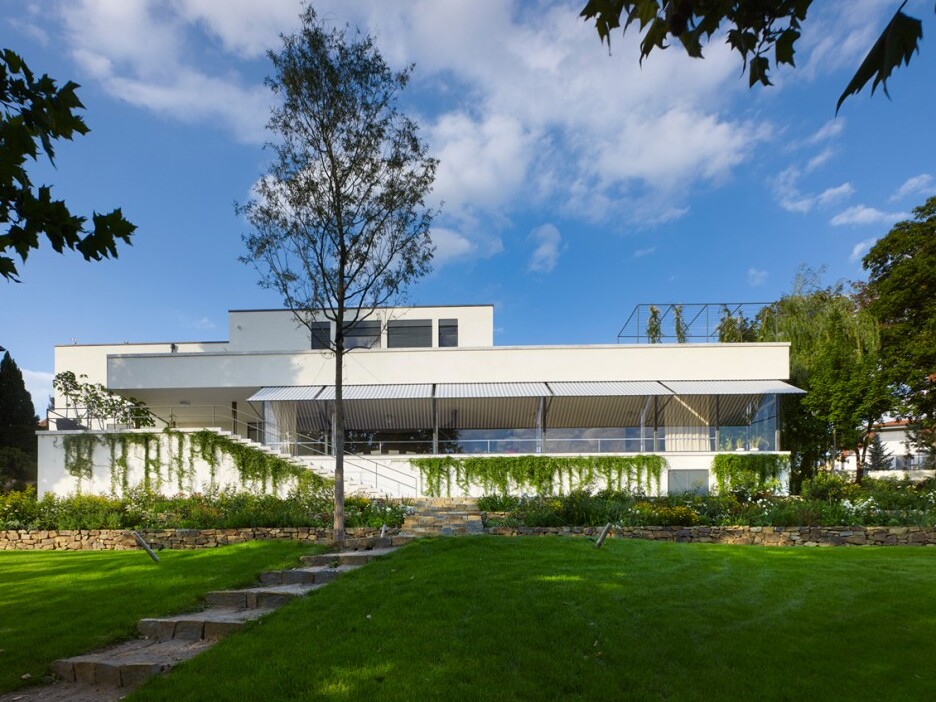
Nestled in the picturesque city of Brno, the Villa Tugendhat stands as a testament to modernist architecture and a symbol of a bygone era. Designed by the renowned architect Ludwig Mies van der Rohe between 1929 and 1930, this villa was groundbreaking for its time, representing the first private house in Czechoslovakia to utilize a steel load-bearing structure. The villa’s innovative design and construction methods marked a significant evolution in architectural practices, making it a pivotal landmark in modernist history.
The origins of the villa can be traced back to the Tugendhat family, consisting of Greta and Fritz Tugendhat, who were prominent figures in the local Jewish community. The couple sought a residence that reflected their progressive ideals and the modern spirit of the 20th century. The site was carefully chosen for its expansive views of the city and the surrounding landscape, allowing the villa to harmonize with its natural environment. The construction was completed in a time of political and social upheaval, and the villa became a vibrant space for cultural exchange and progressive thought, hosting artists, intellectuals, and influential figures of the era.
Architecturally, the villa is a masterpiece of the International Style, characterized by its sleek lines and open spaces. The cruciform floor plan allows for a fluid movement throughout the spaces, while the extensive use of glass creates a seamless connection between the interior and exterior. The interior is adorned with luxurious materials such as Moroccan onyx, Italian travertine, and veneers of rosewood, zebrawood, and Makassar ebony. This combination of materials not only enhances the aesthetic appeal but also reflects the Tugendhat family's wealth and status. The villa's technological innovations, including hot-air heating and electrically-operated windows, were revolutionary for their time, illustrating Mies van der Rohe's commitment to modern living.
Beyond its architectural significance, the villa is steeped in local culture and history. The Tugendhat family lived in the villa until 1938, when they fled due to the rise of the Nazi regime. This tragic chapter in the villa's history adds a layer of depth to its narrative, as it transitioned from a symbol of modernity to a site of historical significance. The villa was nationalized after World War II and served various purposes, including a school, before being returned to its original state during a restoration that took place from 2010 to 2012.
Visitors to the Villa Tugendhat can also immerse themselves in the local culture and traditions of Brno. The city is known for its lively festivals, such as the Brno Christmas Market, which transforms the city center into a winter wonderland, and the Brno Music Festival, celebrating both classical and contemporary music. These events reflect the city's vibrant artistic scene and its commitment to preserving cultural heritage.
When exploring Brno, one cannot overlook its culinary delights. The region is famous for its Moravian wines, particularly white wines that pair beautifully with local dishes. Traditional foods include svíčková, a creamy sauce served with marinated beef; trdelník, a sweet pastry often enjoyed during festivals; and koláče, a type of pastry filled with fruits or cheese. Indulging in these local flavors is a must for anyone wishing to experience the essence of Brno.
For those venturing to the Villa Tugendhat, there are some lesser-known curiosities to discover. One interesting fact is that the villa's garden, designed by Mies van der Rohe, incorporates a unique interplay of landscape and architecture, with meticulous attention to detail that mirrors the villa's interior. Additionally, the basement contains a well-preserved section showcasing the advanced technology of the house, such as the air-conditioning system and the photographic darkroom, offering insight into the modern conveniences of the 1930s.
The best time to visit the Villa Tugendhat is during the spring or early autumn when the weather is mild, and the garden is in full bloom. It is advisable to book tickets in advance, as guided tours are limited to ensure an intimate experience. Visitors should take note of the original furniture pieces, many of which were painstakingly restored or replicated, allowing guests to envision the lifestyle of the Tugendhat family in their modernist haven.
As you venture into the world of modern architecture and local culture, don’t miss the opportunity to explore the rich history surrounding the Villa Tugendhat. This architectural gem is not just about its striking design but also about the stories that echo through its walls. For a personalized experience to navigate through Brno’s artistic and cultural landscape, consider using the Secret World app to create your tailored itinerary.
