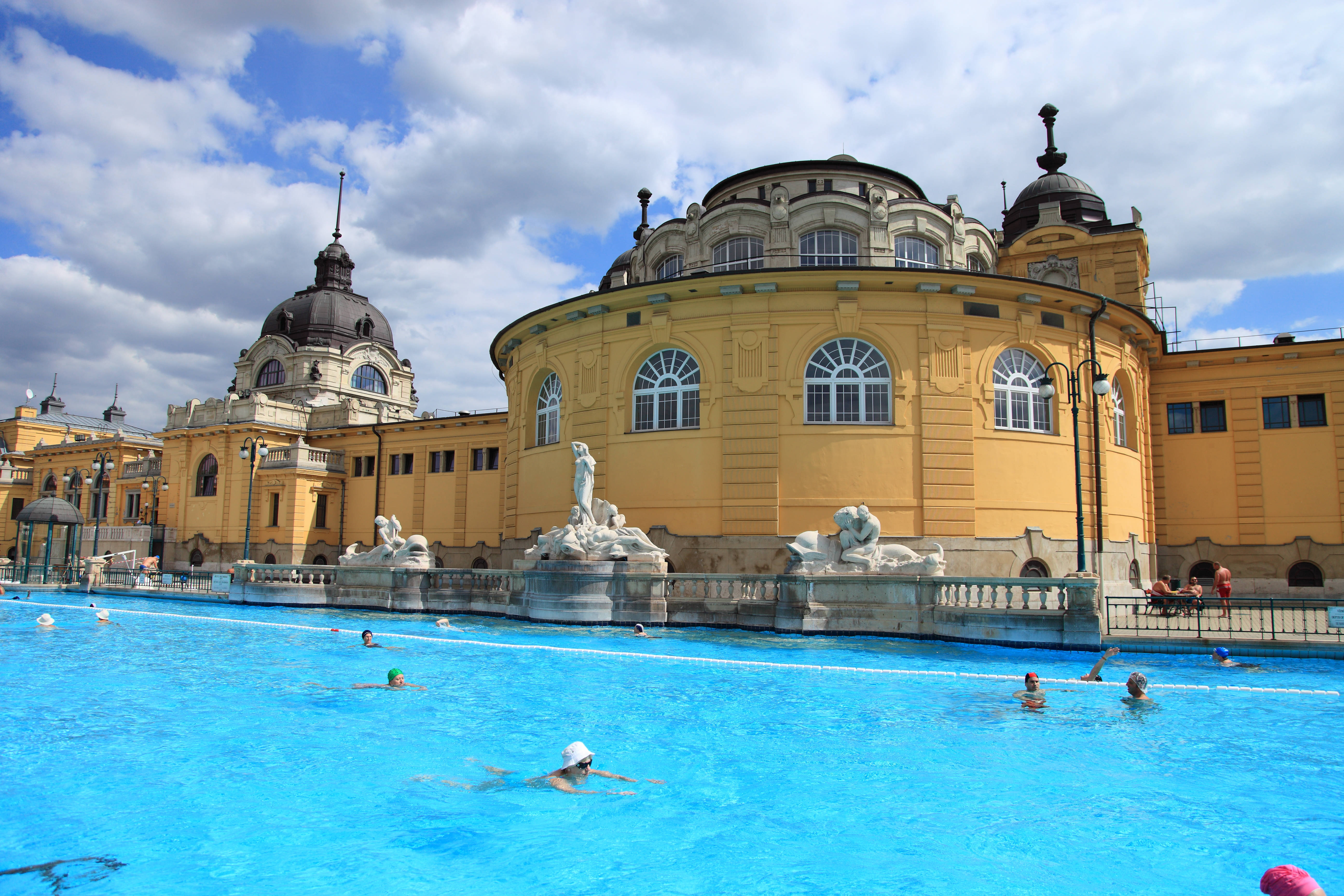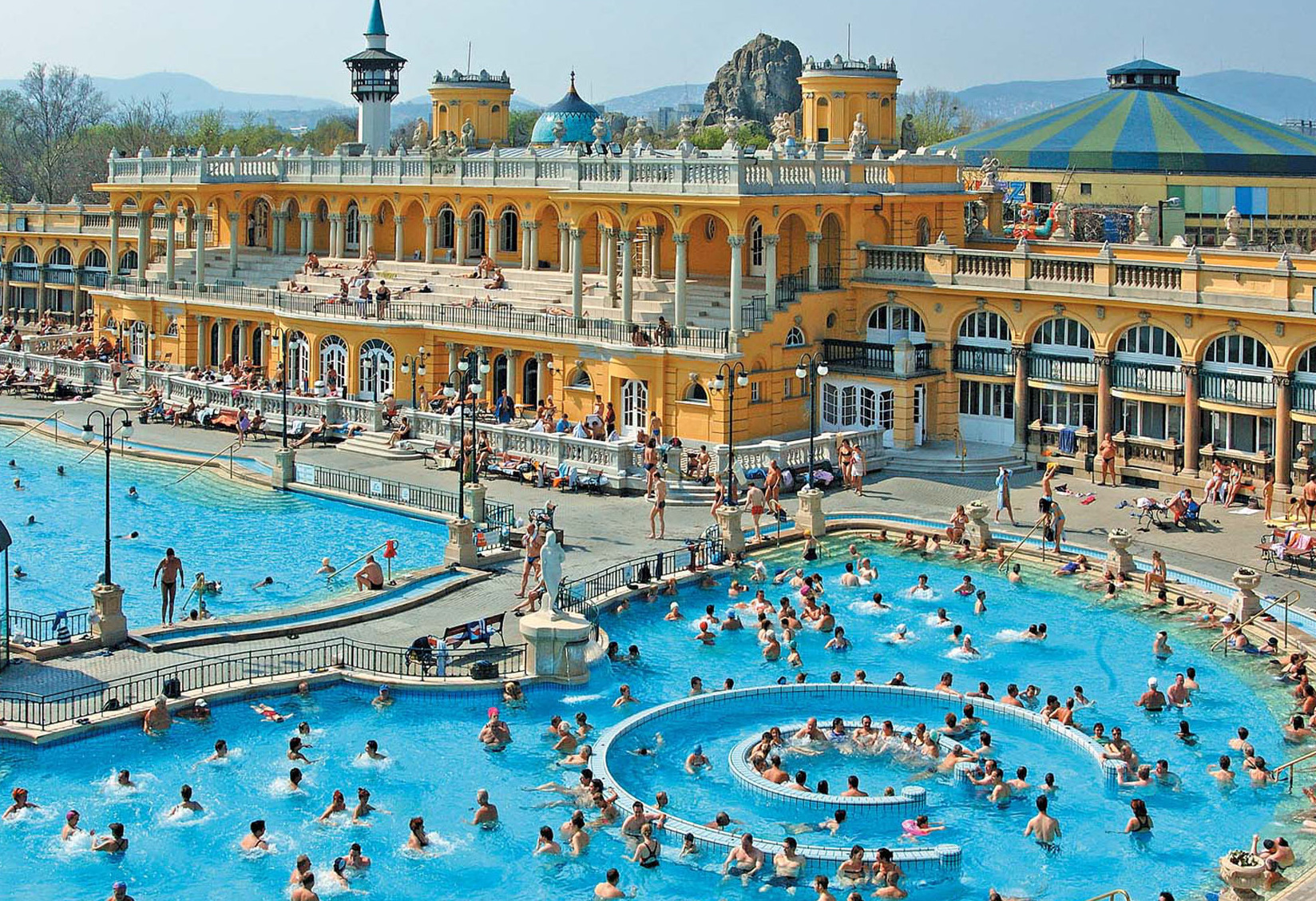

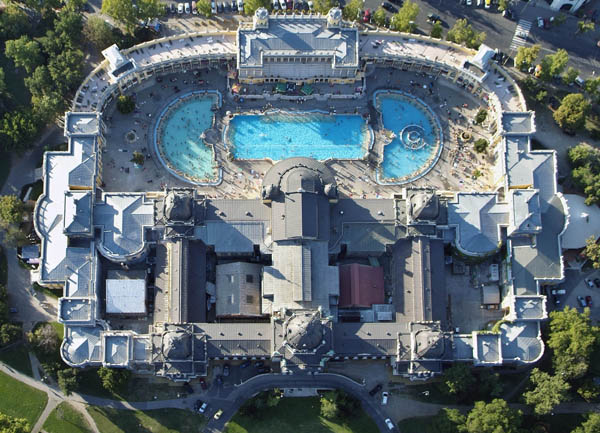
Thanks to its abundance of thermal baths, Budapest has earned the nickname ‘City of Spas’. While this enchanting capital has many great baths, Széchenyi Spa Baths stands out for its stunning architecture and open-air bathing experience, all framed by magnificent neo-Baroque and neo-Renaissance structures. As one of the largest spa complexes in Europe, it boasts 15 indoor baths and 3 grand outdoor pools, making it an essential stop for visitors seeking relaxation and culture.
### History and Origins The roots of thermal bathing in Budapest trace back to the Roman era, when ancient Romans built baths around the thermal springs that flow beneath the city. However, it was during the Turkish occupation in the 16th century that Budapest began to embrace its spa culture more fully. The Rudas Baths, for example, were established during this time and are still in use today.
Széchenyi Spa Baths, officially opened in 1913, represent a key evolution in this long-standing tradition. Unlike the intimate, smaller baths of the past, Széchenyi was designed as a monumental spa complex, catering to the needs of a modernizing society. It was named after István Széchenyi, a prominent Hungarian statesman and reformer known for his contributions to the modernization of Hungary.
### Art and Architecture The architectural splendor of Széchenyi Spa Baths is impossible to miss. Designed by Győző Czigler, the building features an ornate façade adorned with intricate sculptures and reliefs that reflect the grandeur of the neo-Baroque style. The grand entrance, flanked by impressive columns, invites guests into a world where the past and present merge seamlessly.
Inside, the baths are equally stunning, with colorful mosaics and high ceilings that create an inviting atmosphere. The outdoor pools are especially captivating, surrounded by lush gardens and historic statues, providing a picturesque backdrop for a day of relaxation.
### Local Culture and Traditions Bathing in Budapest is not merely a pastime; it is a deeply ingrained cultural tradition. Locals visit the baths not just for relaxation but also for social interaction and wellness. Széchenyi Spa Baths hosts various events throughout the year, including evening parties known as “Sparty,” where guests can enjoy music and entertainment in a lively atmosphere.
The baths also celebrate Hungarian culture through traditional folk dances and music performances, allowing visitors to engage with the local customs. The ambiance is enriched by the various saunas and steam rooms that incorporate indigenous practices, such as herbal infusions and aromatherapy, emphasizing the Hungarian approach to wellness.
### Gastronomy A visit to Széchenyi is not complete without indulging in local culinary delights. The nearby area offers an array of traditional Hungarian dishes, such as gulyás (goulash) and langos, a deep-fried flatbread that is a popular street food. For a sweet treat, don’t miss trying chimney cake (kürtőskalács), a spiral pastry that is crispy on the outside and fluffy on the inside, often dusted with sugar and cinnamon.
Pair your meal with a glass of Hungarian wine, particularly Tokaji, which is known for its sweetness and complexity. For those seeking something non-alcoholic, a traditional Hungarian fruit brandy, known as pálinka, offers a taste of local flavors.
### Lesser-Known Curiosities While most visitors flock to the main pools, there are hidden gems within Széchenyi Spa Baths worth exploring. For instance, the medicinal waters that fill the baths are sourced from two thermal springs, boasting a unique mineral composition believed to have therapeutic benefits.
Additionally, the spa houses a library on the upper floor, a quiet retreat where guests can relax with a book after their soak. Many do not realize that Széchenyi also offers chess tables in the outdoor area, where locals often engage in spirited matches, creating a charming blend of relaxation and intellect.
### Practical Visitor Information The best time to visit Széchenyi Spa Baths is during the spring and autumn months, as the weather is mild, providing a perfect backdrop for outdoor bathing. If you’re planning a visit, consider arriving early to avoid crowds, especially on weekends.
Remember to bring your own towel and flip-flops to enhance your experience. Lockers are available for storing personal items, and it’s advisable to check the official website for any events or special opening hours. Look for the thermal pools, which offer varying temperatures, and don’t miss the Finnish saunas for a truly authentic experience.
Budapest’s Széchenyi Spa Baths is more than just a place to unwind; it is a celebration of history, culture, and wellness. As you soak in the thermal waters surrounded by stunning architecture, you’ll find yourself immersed in both relaxation and the vibrant spirit of Hungary.
For a personalized itinerary to explore the wonders of Budapest, consider using the Secret World app to enhance your visit.