



Nestled in the vibrant heart of Ulaanbaatar, the Buddhist Gandan Monastery stands as a living testament to Mongolia's rich spiritual tapestry and turbulent history. With its origins tracing back to 1838, this revered site is not just an architectural marvel but also a beacon of cultural resilience and religious devotion.
The story of Gandan Monastery begins with its founder, the Fifth Jebtsundamba Khutuktu, who was the spiritual leader of Mongolian Buddhists. This period in Mongolia's history was marked by a flourishing of Buddhist practices, despite later challenges. By 1938, Mongolia was under the grip of communist rule, leading to the closure and destruction of many religious sites. Gandan Monastery was one of the few that survived, albeit temporarily shuttered. It reopened in 1944 under strict state supervision, serving as a symbol of endurance through a time when religious practices were heavily restricted.
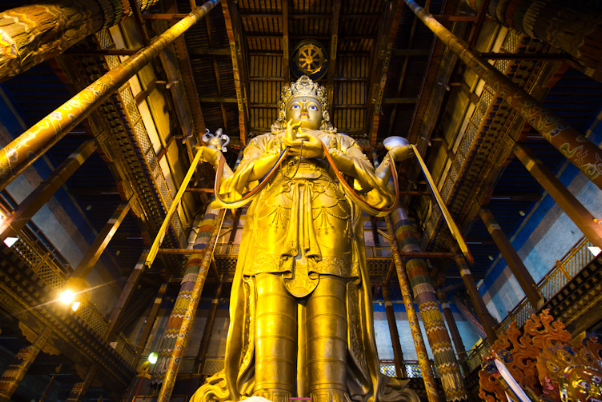
Architecturally, Gandan Monastery is a feast for the eyes, with its traditional Tibetan-style design featuring ornate roofs and intricate woodwork. The main temple, Migaljan Temple, houses one of its most awe-inspiring treasures: the statue of Migjid Janraisig. This 26.5-meter tall copper statue, gilded in gold, is a modern reconstruction of the original, which was destroyed during the purges of the 1930s. The statue's serene presence is complemented by the vibrant hues and detailed iconography that adorn the temple walls, offering visitors a glimpse into the depth of Buddhist artistic traditions.

The monastery is more than just a religious site; it is a thriving center of Mongolian culture. Every morning, the air fills with the harmonious chants of monks and the rhythmic sounds of traditional instruments. Visitors can witness rituals that have been part of the local culture for centuries, such as the reading of sacred texts and the performance of traditional dances. One of the most significant events is the Tsam Dance Festival, a colorful tapestry of masked dances held to ward off evil spirits, reflecting the deep intertwining of spiritual and worldly concerns in Mongolian life.
Nearby, the bustling streets of Ulaanbaatar offer a taste of Mongolian gastronomy. While the monastery itself does not serve food, the surrounding area is rich with culinary delights. Visitors can indulge in buuz, a type of dumpling filled with mutton or beef, a staple in Mongolian cuisine. Another must-try is khorkhog, a traditional dish where meat is cooked with hot stones, often enjoyed alongside airag, a fermented mare's milk drink that offers a unique taste of the nomadic heritage.
For those keen on discovering the lesser-known aspects of Gandan Monastery, a visit to the library within the complex is a revelation. This hidden gem houses a collection of ancient Buddhist texts and manuscripts, some dating back hundreds of years. The library is a tranquil retreat, ideal for those looking to delve deeper into the spiritual and intellectual traditions of Buddhism in Mongolia.
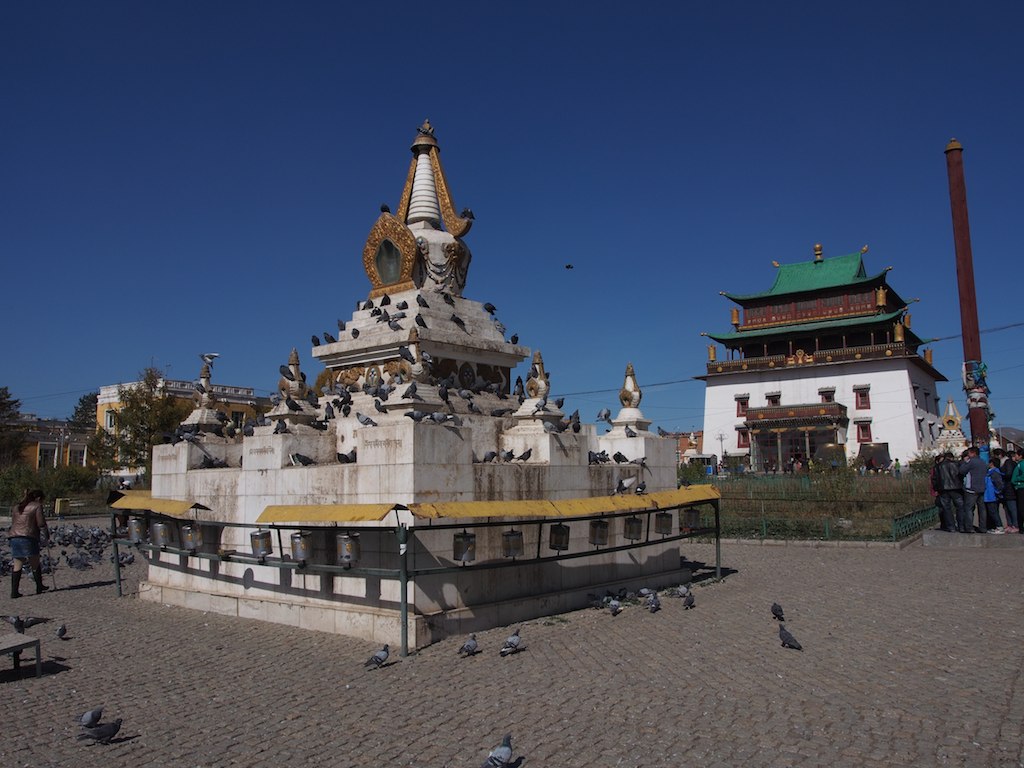
When planning your visit, consider the best times to immerse yourself in the full splendor of the monastery. The summer months, from June to September, offer pleasant weather and the opportunity to witness the monastery's vibrant festivals. Arrive early in the morning to catch the monks' prayers, and don't miss the chance to explore the surrounding gardens, where prayer wheels and stone stupas stand against the backdrop of the sprawling city.
In essence, the Buddhist Gandan Monastery is a compelling blend of history, art, and living tradition. It is a sanctuary where the past and present coexist harmoniously, offering both locals and travelers a profound sense of Mongolia’s enduring spirit. Whether you're drawn by the allure of its sacred rituals or the beauty of its architecture, a visit to Gandan is sure to leave a lasting impression.
