
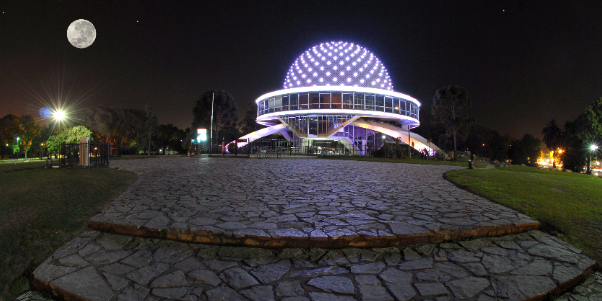

Nestled amidst the verdant landscape of Parque Tres de Febrero in Buenos Aires, the Galileo Galilei Planetarium stands as a beacon of astronomical wonder and architectural innovation. This iconic structure has been kindling the curiosity of stargazers since its inauguration in 1967, named after the Italian astronomer Galileo Galilei, a fitting homage to a man who revolutionized our understanding of the cosmos.
The planetarium's history is steeped in the cultural renaissance of mid-20th-century Argentina, a period marked by a burgeoning interest in science and technology. The idea was first proposed by the city's mayor in the 1950s, and after a decade of planning and construction, the planetarium was officially opened on December 20, 1966, by Mayor Eugenio Schettini. Over the years, it has evolved into a vital educational resource, hosting countless astronomical exhibitions and events that draw visitors from far and wide.
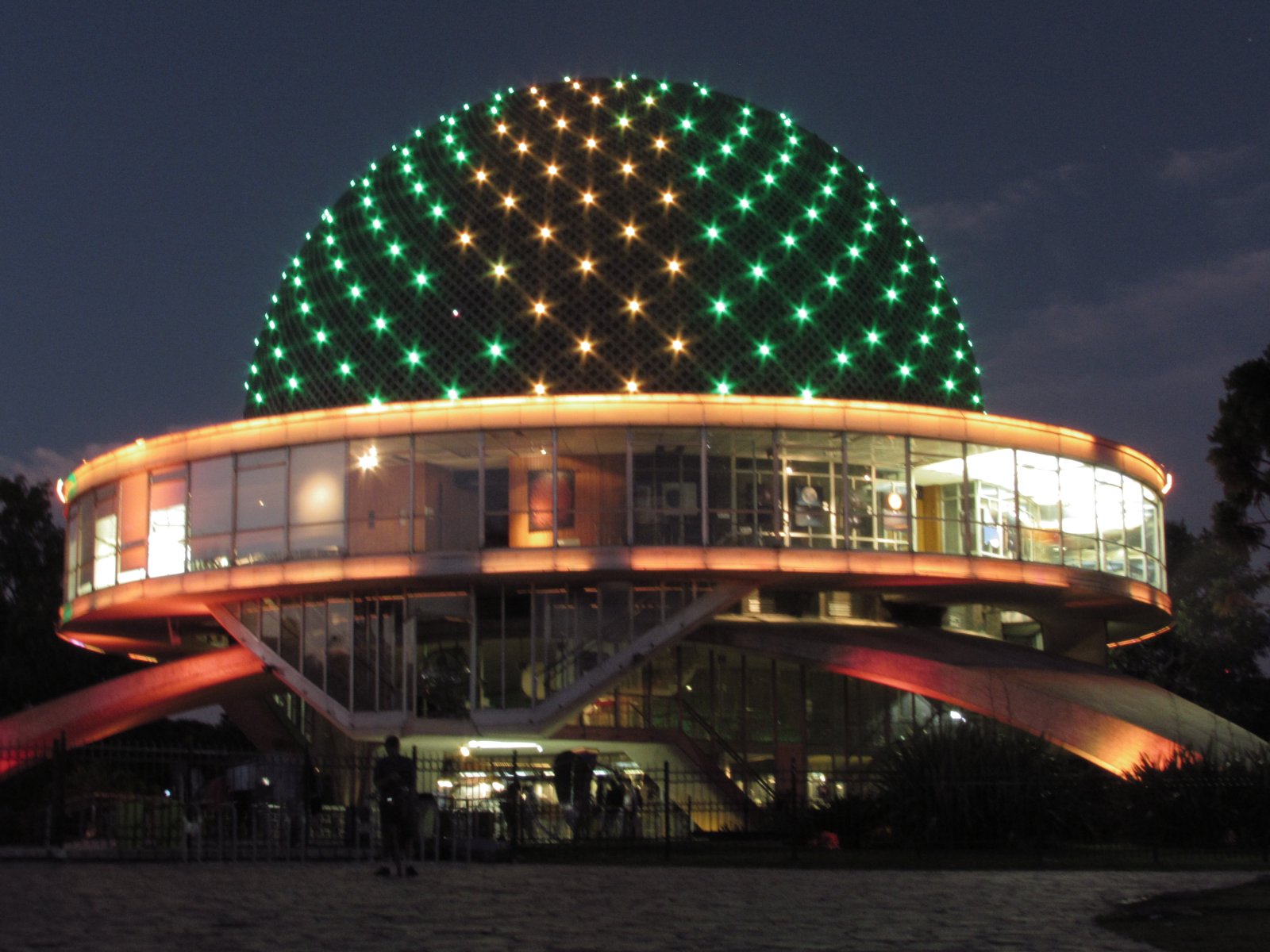
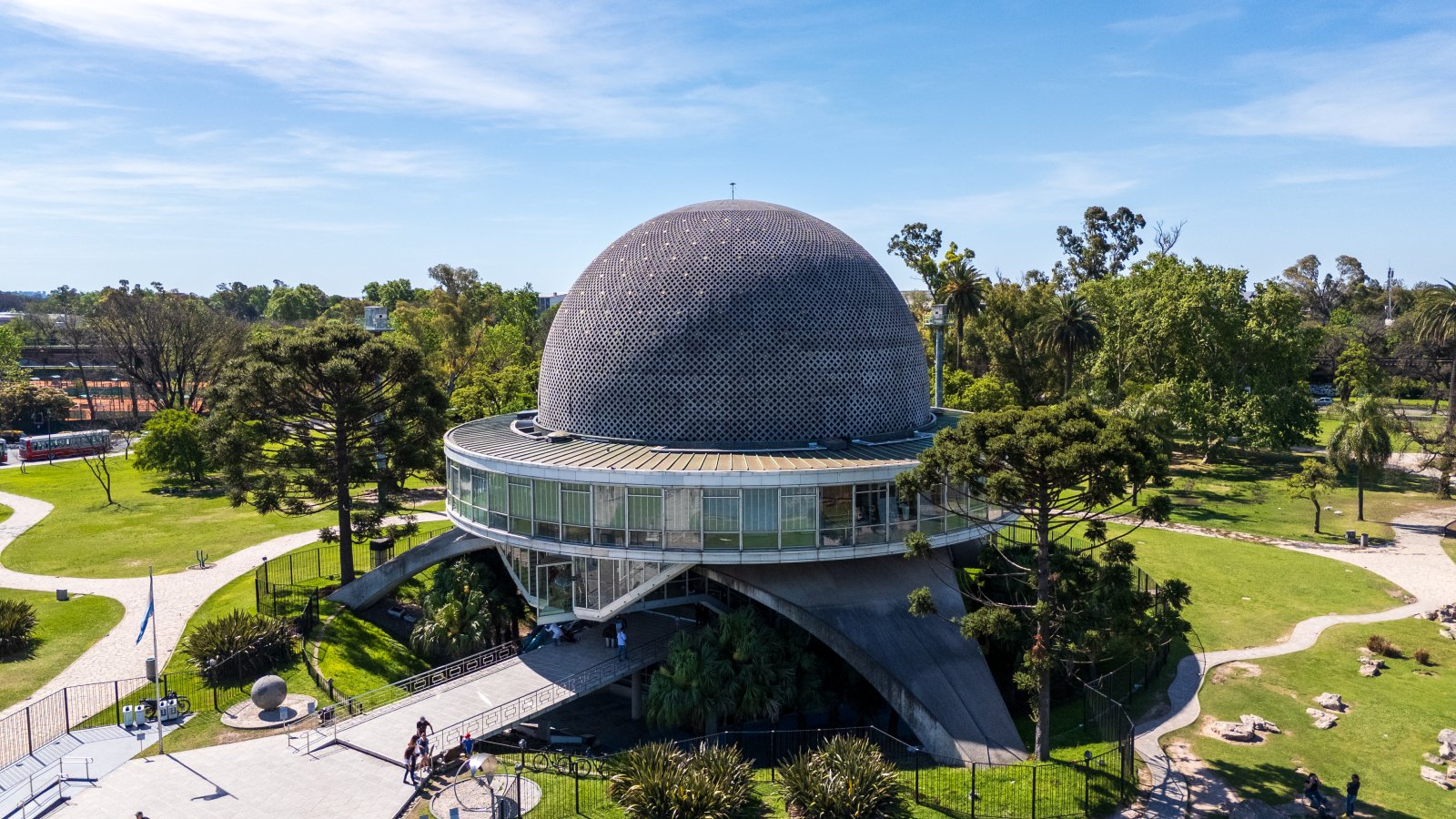
Architecturally, the planetarium is a masterpiece of futuristic design. Its distinct dome, resembling a flying saucer, is a creation of Argentine architect Enrique Jan. The structure is supported by a series of arches, giving it a floating appearance that mirrors the celestial bodies it seeks to explore. Inside, the Zeiss projector Model M V, a marvel in its own right, captivates with its intricate network of over 100 projectors that recreate the night sky with breathtaking accuracy.
Beyond its scientific allure, the Galileo Galilei Planetarium is a cultural hub that reflects the vibrant traditions of Buenos Aires. The city, known for its passion for the arts, often hosts cultural events at the planetarium, such as the annual Festival Internacional de Planetarios, which brings together astronomy enthusiasts and experts from around the globe.
While the planetarium itself does not serve food, its location in Palermo means that visitors are never far from the culinary delights that Buenos Aires is famous for. Indulge in a classic asado at a nearby parrilla or savor a choripán at a local street vendor. For dessert, try the creamy dulce de leche ice cream, a sweet treat that captures the essence of Argentine flavors.
An intriguing fact that often escapes tourists is the planetarium's role during the 1969 moon landing. On July 20, 1969, the planetarium turned into a focal point for locals to gather and watch the historic Apollo 11 mission broadcast, a testament to its place in the hearts of Argentines as a symbol of space exploration.
For those planning a visit, the planetarium is open year-round, but the best time to visit is during the cooler months from April to October when the weather is mild and the skies are clear. Look out for the "Noches de Planetario" events, where visitors can enjoy night sky observations with telescopes provided by the Asociación Argentina Amigos de la Astronomía.
Whether you're a seasoned astronomer or a curious traveler, the Galileo Galilei Planetarium offers an immersive experience that is both enlightening and entertaining. Use the Secret World app to plan your personalized itinerary and discover the celestial wonders of Buenos Aires.


