
← Back

Buffoons, an incredible natural phenomenon

La Boriza, 33598 Llanes, Asturias, Spagna ★★★★☆ 947 views
Cristina Gregoracci
Llanes
🏆 AI Trip Planner 2026

Get the free app

Discover the best of Llanes with Secret World — the AI trip planner with 1M+ destinations. Get personalized itineraries, hidden gems and local tips. Free on iOS & Android.

🧠 AI Itineraries 🎒 Trip Toolkit 🎮 KnowWhere Game 🎧 Audio Guides 📹 Videos
Scan to download iOS / Android
Scan for AppGallery Huawei users

About Buffoons, an incredible natural phenomenon

Buffoons, an incredible natural phenomenon - Llanes | Secret World Trip Planner

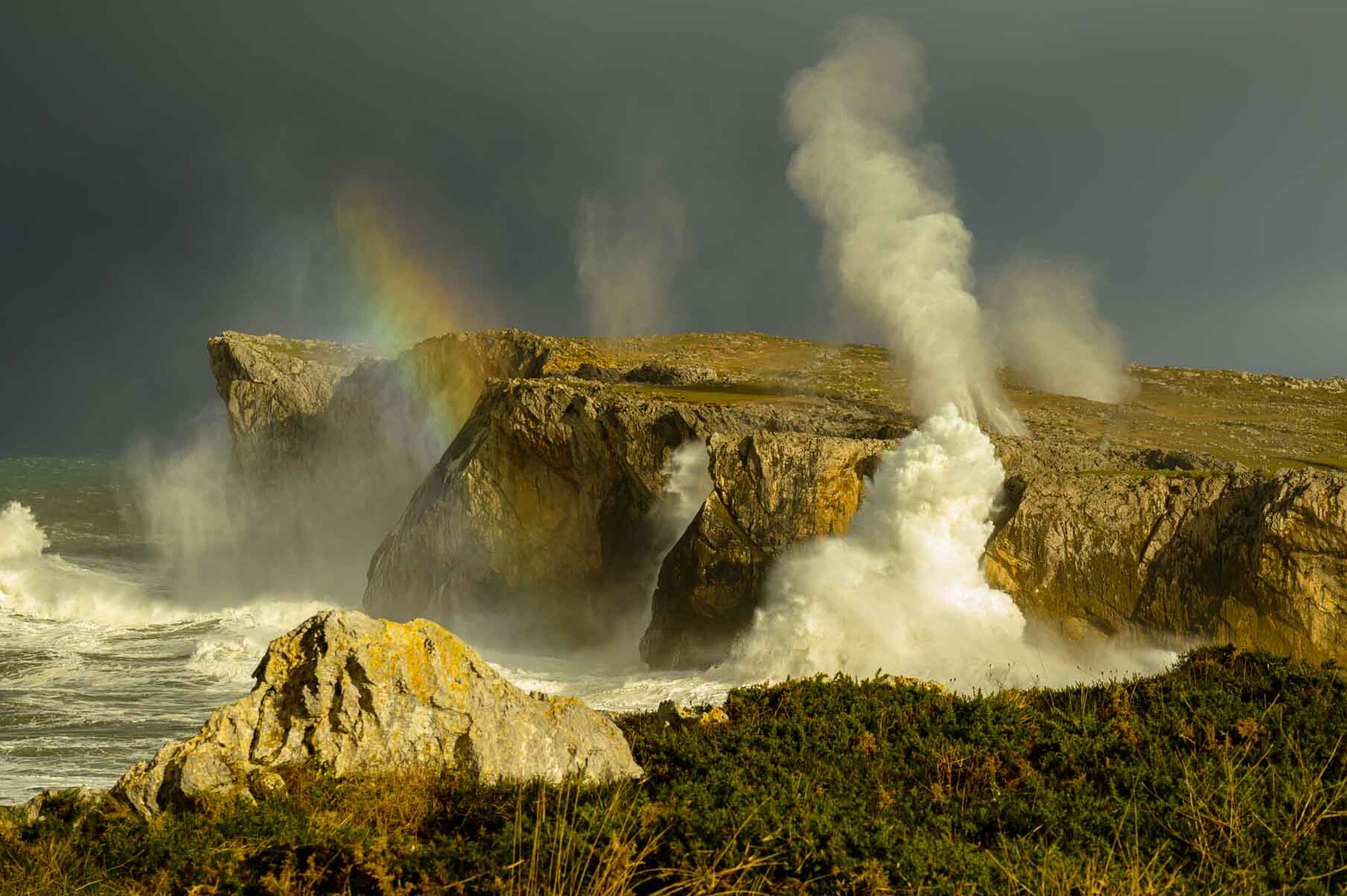
The Asturian coast is a realm of enchanting surprises, but few are as captivating as the buffoons of Llanes. This natural phenomenon transforms the rugged cliffs into a stage where the Cantabrian Sea performs its most dramatic act, sending powerful jets of water soaring into the air, creating a spectacle that is both awe-inspiring and humbling.

### History and Origins

The town of Llanes, founded in the 13th century, has a rich tapestry of history woven through its streets and cliffs. Originally a fishing village, it grew in significance during the Middle Ages, becoming a crucial port for trade. The historical significance of this area is not just in its maritime past; it is also tied to the ancient Roman presence, evidenced by the remnants of Roman roads and structures. The natural phenomenon of the buffoons likely fascinated early inhabitants, who would have witnessed the power of the sea long before scientific explanations emerged.

### Art and Architecture

Llanes is not just about natural beauty; it also boasts stunning architecture that reflects its historical significance. The town's medieval walls, built in the 13th century, still stand guard over the cobblestone streets, flanked by impressive buildings like the Palacio de Gaudí. Designed by the famous architect Antoni Gaudí, this neo-Gothic structure is a testament to the artistic evolution of the region. The nearby church of Santa María del Conceyu, with its exquisite Gothic and Romanesque elements, showcases the architectural styles that have influenced the town over centuries.

### Local Culture and Traditions

Llanes is steeped in tradition, with local customs that reflect the vibrant culture of Asturias. The Fiesta de la Virgen de la Guía, celebrated every September, draws locals and tourists alike to honor the town's patron saint with colorful parades and traditional music. Asturian culture is deeply connected to its folklore, with legends of mermaids and sea spirits that add a mystical layer to the coastal scenery. The festival atmosphere is infectious, resonating with the rhythms of gaitas (bagpipes) and the aroma of local cuisine.

### Gastronomy

Speaking of cuisine, Llanes is a paradise for food lovers. The region is famous for its cider, or sidra, a traditional Asturian drink made from fermented apples. Pair it with cachopo, a delicious dish made of two breaded fillets filled with cheese and ham, or indulge in a bowl of fabada asturiana, a hearty bean stew that warms the soul. The coastal location also ensures an abundance of fresh seafood, with grilled sardines and octopus often taking center stage in local taverns. Don't miss the chance to savor queso de Cabrales, a robust blue cheese that embodies the flavors of the region.

### Lesser-Known Curiosities

While many visitors flock to the buffoons, few know the legends that surround them. Local lore suggests that these powerful jets of water were once seen as a manifestation of the sea gods performing a grand show for the mortals on land. Additionally, the unique geological formations that create the buffoons are a result of millions of years of erosion, making the cliffs and caves not just a natural wonder but a geological archive of history.

Another fascinating fact is that the buffoons are most active during the winter months, particularly when storms sweep across the Cantabrian Sea. This seasonal aspect means that those brave enough to visit during this time may witness nature’s raw power in its most dramatic form.

### Practical Visitor Information

To fully experience the buffoons, the ideal time to visit is during the autumn and winter months when the sea is typically rougher. High tides combined with swells create the perfect conditions for this natural spectacle. Visitors should approach with caution; the power of the jets can be dangerous, so viewing from a safe distance is crucial.

For those planning a visit, consider taking a local guide to learn more about the geological and cultural significance of the area. The Llanes coastline is also dotted with picturesque beaches like Playa de Toró, where you can wind down after witnessing the buffoons’ performance.

With its rich history, stunning architecture, vibrant culture, and breathtaking natural phenomena, Llanes is a destination that promises to delight every traveler. To make the most of your visit, use the Secret World app to plan a personalized itinerary that captures the essence of this remarkable place.

🗺 AI Trip Planner

Plan your visit to Llanes

Suggested itinerary near Buffoons, an incredible natural phenomenon

MAJ+
500.000+ travelers worldwide
  1. 🌅
    Morning
    Buffoons, an incredible natural phenomenon
    📍 Llanes
  2. ☀️
    Afternoon
    Beach of Cobijeru
    📍 3.5 km · Llanes
  3. 🌆
    Evening
    Indianos Houses
    📍 9.6 km · Llanes

Buy Unique Travel Experiences

Powered by Viator

See more on Viator.com

Explore nearby · Llanes

Frequently Asked Questions

The buffoons are a natural phenomenon on the Asturian coast where powerful jets of water from the Cantabrian Sea shoot dramatically into the air through the rugged cliffs of Llanes. The best viewing conditions typically occur during high tide and stormy weather when the sea is most active and the water jets reach their most impressive heights.
Llanes was founded in the 13th century as a fishing village and grew into a crucial trading port during the Middle Ages, with evidence of ancient Roman presence through remaining roads and structures throughout the area. The town's rich maritime history and the enduring natural spectacle of the buffoons have fascinated inhabitants for centuries, from Roman times to modern day.
Llanes features remarkable architecture including the neo-Gothic Palacio de Gaudí, designed by the famous architect Antoni Gaudí, and the Church of Santa María del Conceyu with its exquisite Gothic and Romanesque elements. The town's medieval walls, built in the 13th century, still stand guard over charming cobblestone streets and showcase the architectural evolution of the region over centuries.
September is an excellent time to visit Llanes as the town celebrates the Fiesta de la Virgen de la Guía in honor of its patron saint, featuring colorful parades and traditional music that attract both locals and tourists. This festival offers an authentic glimpse into the vibrant Asturian culture and local traditions that define the town.
Beyond the natural spectacle of the buffoons, visitors can explore the town's deep-rooted Asturian culture, folklore, and traditions woven through its medieval streets and historic landmarks. The combination of natural beauty, historical significance dating back to Roman times, architectural treasures, and lively cultural celebrations makes Llanes a destination that offers both awe-inspiring natural phenomena and rich cultural experiences.
