
← Back

Byodo in Temple,a Buddhist Pure Land (Jodo)architecture

47-200 Kahekili Hwy, Kaneohe, HI 96744, Stati Uniti ★★★★☆ 1,011 views
Megan Robbie
Kaneohe
🏆 AI Trip Planner 2026

Get the free app

Discover the best of Kaneohe with Secret World — the AI trip planner with 1M+ destinations. Get personalized itineraries, hidden gems and local tips. Free on iOS & Android.

🧠 AI Itineraries 🎒 Trip Toolkit 🎮 KnowWhere Game 🎧 Audio Guides 📹 Videos
Download on the App Store Get it on Google Play
Scan to download Scan to download
Byodo in Temple,a Buddhist Pure Land (Jodo)architecture - Kaneohe | Secret World Trip Planner

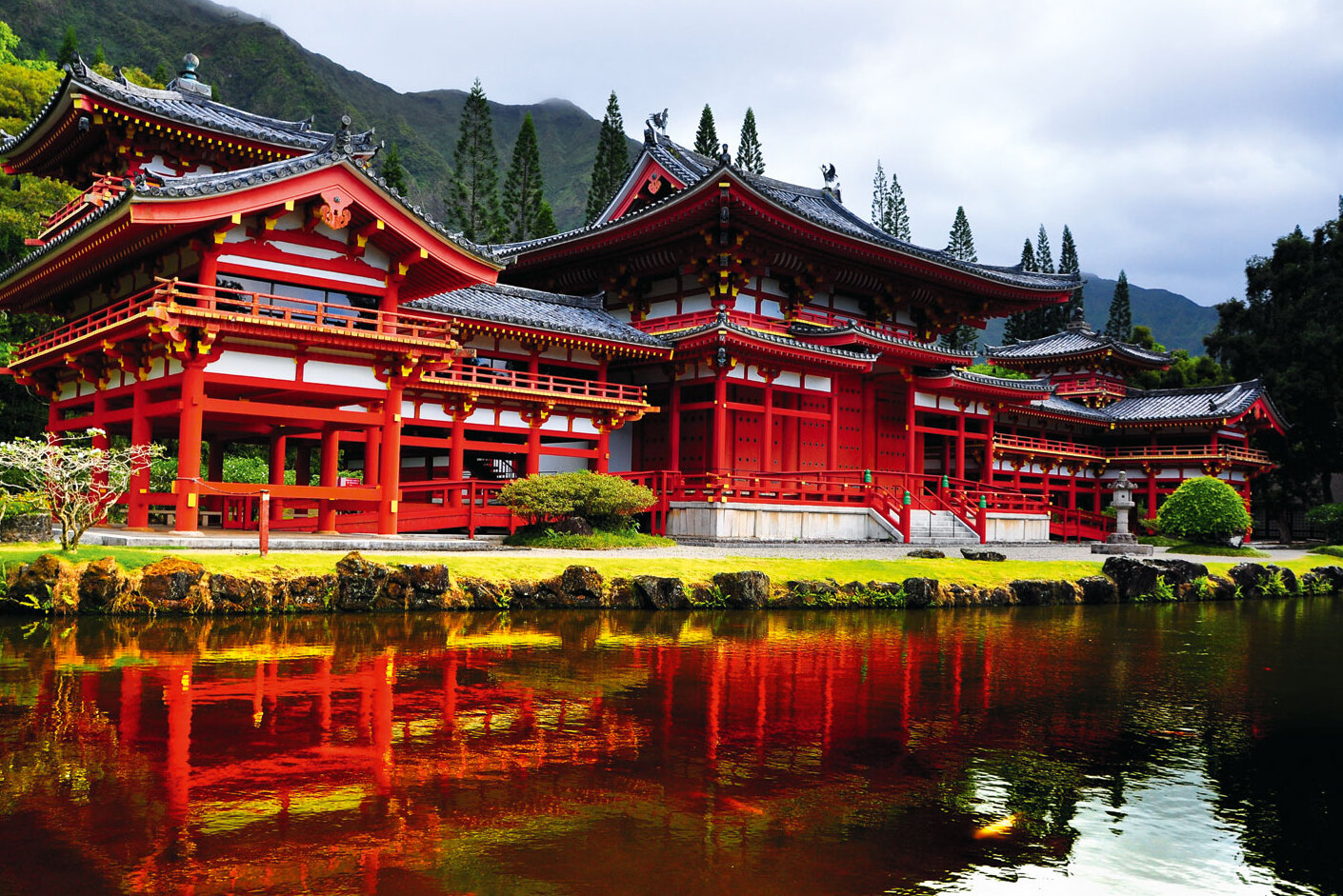
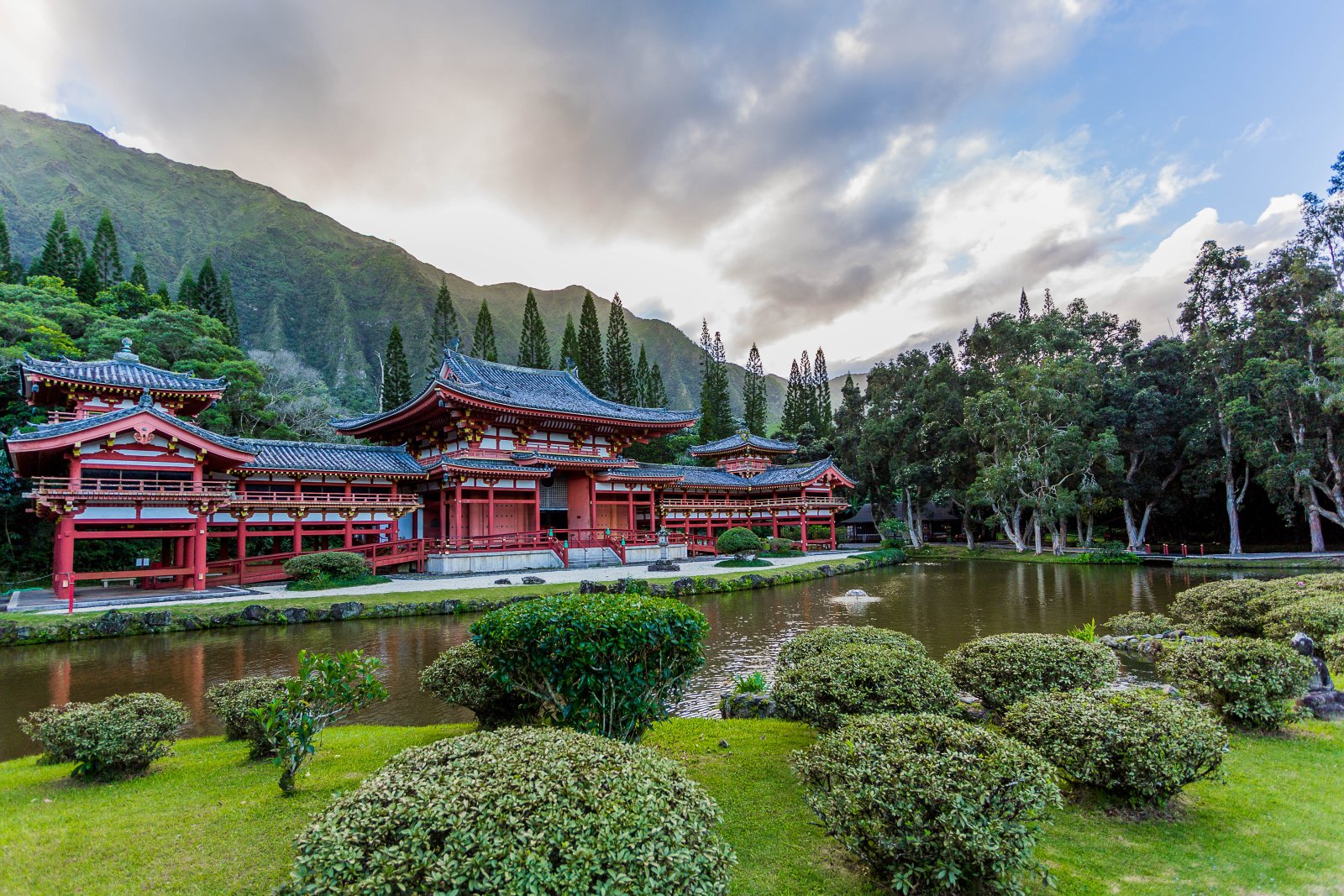
Nestled serenely against the backdrop of the Ko'olau Mountains, Byodo-In Temple in Kaneohe is a breathtaking testament to Buddhist Pure Land (Jodo) architecture. This striking structure, both a place of worship and a symbol of peace, invites visitors to immerse themselves in its rich history and tranquil surroundings.

Byodo in Temple,a Buddhist Pure Land (Jodo)architecture - Kaneohe | Secret World Trip Planner

### History and Origins

Originally built in 998 AD, Byodo-In was not conceived as a temple but as a countryside retreat for the influential politician Fujiwara no Michinaga. This villa served as a serene escape from the bustling political life of Kyoto. However, the vision of Byodo-In transformed when Michinaga's son, Fujiwara no Yorimichi, recognized its potential as a temple dedicated to the Amitabha Buddha. In 1053, he commissioned the construction of the temple's most iconic structure, the Phoenix Hall (Hoodo), which reflects the grandeur of its era.

Byodo in Temple,a Buddhist Pure Land (Jodo)architecture - Kaneohe | Secret World Trip Planner

The temple became a vital part of Japanese culture, influencing later architectural styles and Buddhist practices. Byodo-In was designated a UNESCO World Heritage Site in 1994, emphasizing its significance not only in Japan but also in the wider context of Buddhist architecture.

### Art and Architecture

Byodo-In Temple is a prime example of Pure Land architecture, characterized by its harmonious integration with nature. The Phoenix Hall, with its striking wooden structure and ornate carvings, stands as the temple's centerpiece. Its name derives from the two phoenix statues perched atop the roof, symbolizing rebirth and immortality.

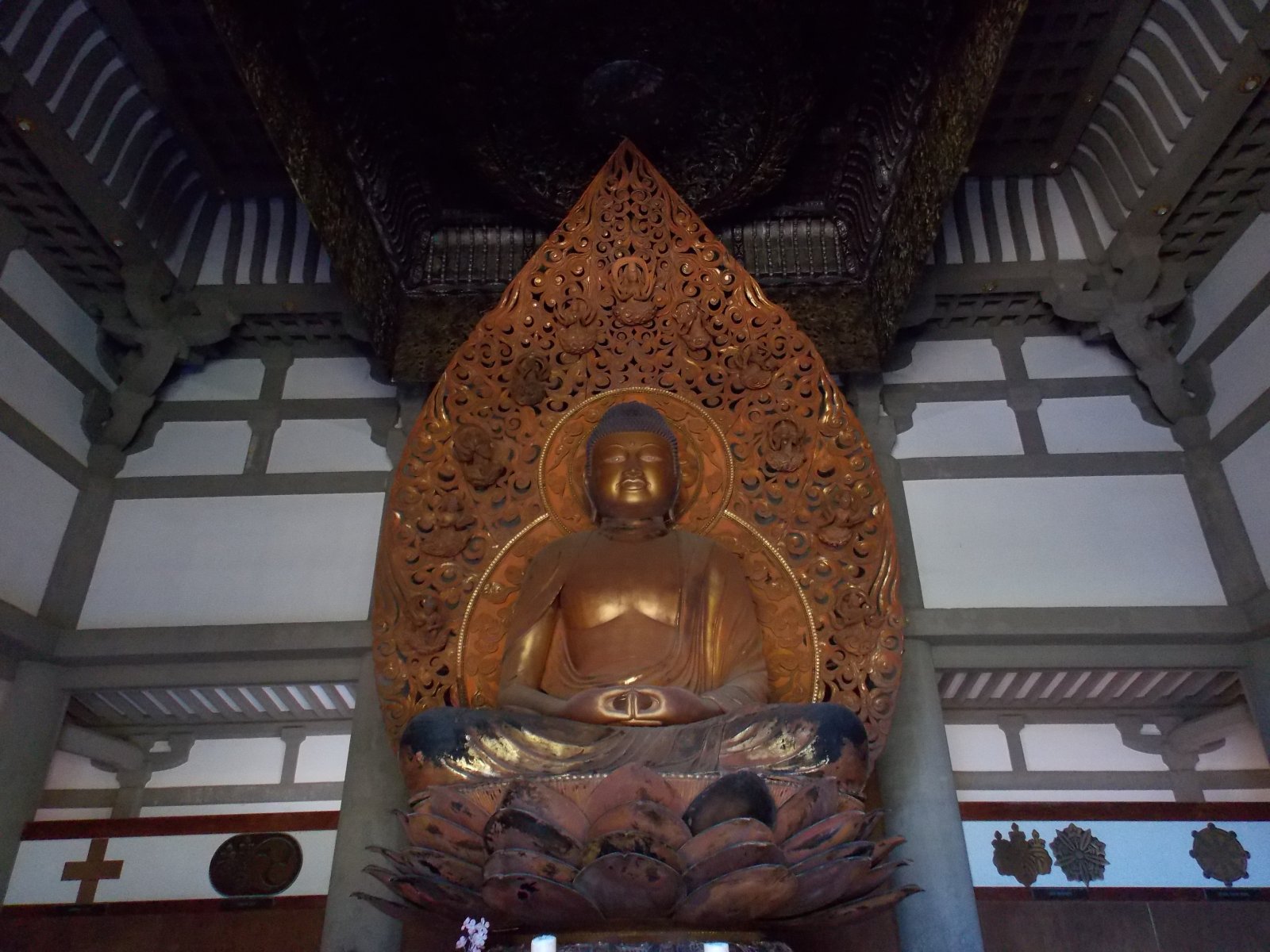
The hall houses a magnificent statue of Amitabha Buddha, standing at 3 meters tall and carved from Japanese cypress. The interior is adorned with intricate paintings and carvings, showcasing the artistry of the Heian period. The temple's unique treasure house, constructed primarily underground, serves to minimize distraction from the Phoenix Hall, embodying the Pure Land belief in simplicity and tranquility.

### Local Culture and Traditions

The cultural significance of Byodo-In extends beyond its architecture. The temple is a site for various local customs and festivals. One of the most celebrated events is the Obon Festival, held annually to honor the spirits of ancestors. During this time, the temple grounds are illuminated with lanterns, creating a magical atmosphere.

Visitors can also witness traditional Japanese tea ceremonies held within the temple’s tranquil gardens. These ceremonies, steeped in history, emphasize mindfulness and the appreciation of nature, aligning perfectly with the temple's purpose as a haven for contemplation.

### Gastronomy

While Kaneohe is mostly known for its natural beauty, the local gastronomy is rich and diverse. Typical dishes often reflect the region's bounty. Visitors may indulge in poke, a traditional Hawaiian dish made with fresh fish, often paired with loco moco, a comforting plate of rice topped with a hamburger patty, fried egg, and gravy.

Nearby, local eateries serve zaru soba, a chilled buckwheat noodle dish that pairs well with the warm climate. For those seeking a sweet treat, malasadas—Portuguese doughnuts—are a must-try, often filled with cream or custard, providing a delightful contrast to the savory flavors of the region.

### Lesser-Known Curiosities

Despite its fame, Byodo-In Temple holds a few lesser-known treasures. Did you know that the temple's bell, which dates back to 1740, is renowned for its clear, soothing tone? Visitors often find solace in its melodious chimes, which resonate throughout the grounds.

Another hidden gem is the Koi pond, home to vibrant koi fish that symbolize prosperity and good fortune. Guests are welcome to feed these colorful creatures, creating a serene connection with nature.

Additionally, the temple features several statues of Jizo, the bodhisattva who protects travelers and children. Each statue is adorned with colorful bibs and hats, often left by visitors as offerings for blessings.

### Practical Visitor Information

The best time to visit Byodo-In Temple is during the spring and fall, when the weather is mild, and the gardens are in full bloom. Early mornings or late afternoons offer a peaceful experience with fewer crowds.

Be sure to take your time exploring the meticulously maintained gardens, which represent the Pure Land Paradise. The Peace Garden and Meditation Garden are particularly inviting, encouraging reflection and tranquility.

For those looking to deepen their experience, consider participating in a guided tour or a Buddhist meditation session offered at the temple.

As you plan your visit, consider using the Secret World app to create a personalized itinerary that includes the enchanting sites of Kaneohe.

🗺 AI Trip Planner

Plan your visit to Kaneohe

Suggested itinerary near Byodo in Temple,a Buddhist Pure Land (Jodo)architecture

MAJ+
500.000+ travelers worldwide
  1. 🌅
    Morning
    Byodo in Temple,a Buddhist Pure Land (Jodo)architecture
    📍 Kaneohe
  2. ☀️
    Afternoon
    Hawaii | Valley of the Temples: a hidden gem
    📍 0 km da Kaneohe
  3. 🌆
    Evening
    Haiku Stairs Known as the Stairway to Heaven
    📍 3.3 km da Kaneohe

Buy Unique Travel Experiences

Powered by Viator

See more on Viator.com

Explore nearby · Kaneohe