
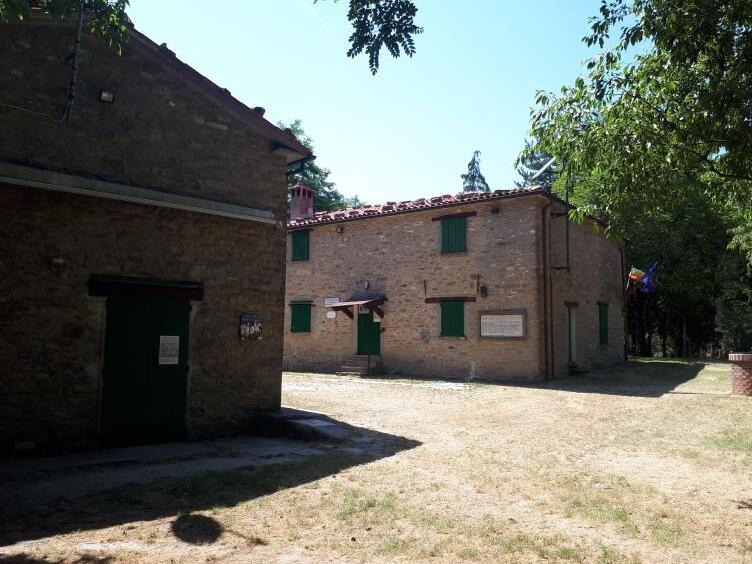

Nestled in the picturesque hills of Brisighella, Cà Malanca Resistance Museum offers an insightful journey into Italy’s tumultuous past during World War II. This remarkable museum is housed in a 19th-century building that stands at an impressive 721 meters above sea level, just below the ridge extending from Sintria to Lamone. From its vantage point, visitors can enjoy breathtaking views of the surrounding Apennines, making it not only a site of historical significance but also a scenic destination.
The origins of Cà Malanca are steeped in history. The building was constructed in the 1800s, serving various purposes over the decades, including as a refuge during the turbulent times of the Italian Resistance against fascism. It became a pivotal location during the War of Liberation (1943-1945), where partisans gathered to strategize and fight against Nazi occupation. The museum opened its doors in the early 2000s, transforming the space into a tribute to those who bravely resisted oppression.
Architecturally, Cà Malanca showcases a blend of rustic and classical elements typical of 19th-century Italian structures. The building is characterized by its simple yet elegant façade, featuring traditional terracotta tiles and wooden shutters. Inside, the museum is adorned with numerous documents, photographs, posters, and explanatory panels that narrate the stories of resistance fighters and their struggles. The layout of the museum allows for an engaging walkthrough of the historical timeline, immersing visitors in a narrative that highlights the significance of the Italian Resistance movement.
Culturally, Brisighella is a town rich in traditions, with its roots stretching back to the Medieval period. The locals celebrate various festivals throughout the year, such as the Sagra dell’Ulivo, which pays homage to the region’s olive oil production, a staple of the local economy and cuisine. During the summer months, the town buzzes with activity as locals and visitors partake in food fairs and historical reenactments, reflecting the deep connection between the community and its past.
Gastronomy in Brisighella is a delightful exploration of regional flavors. The area is renowned for its extra virgin olive oil, famous for its robust flavor and quality. Visitors can indulge in local delicacies such as tortellini, handmade pasta filled with rich meats and cheeses, and pignoletto, a sparkling white wine that perfectly complements the region's culinary offerings. Don’t miss the chance to sample Brisighella's truffles, often featured in seasonal dishes, showcasing the area’s rich biodiversity.
Among the many fascinating aspects of Cà Malanca, one lesser-known curiosity is its role as a hiding place for partisans during the war. The surrounding hills were strategically significant, allowing fighters to navigate through the rugged terrain while avoiding detection. This historical context adds depth to the museum experience, revealing stories of courage that might otherwise remain untold. Additionally, the museum hosts temporary exhibitions that frequently change, providing fresh insights into the ongoing study of resistance movements and their impact on modern Italian society.
For those planning a visit, the best time to explore Cà Malanca Resistance Museum is during the spring and early autumn months, when the weather is mild and the surrounding landscape is at its most vibrant. It is advisable to check the museum's schedule for guided tours, which can enrich your experience with anecdotes and detailed accounts from knowledgeable staff. Don’t forget to take in the panoramic views from the museum’s vantage point—there’s a certain magic in observing the Apennines that has inspired artists and poets alike.
Whether you are a history buff, a lover of art and culture, or simply seeking a serene escape in the Italian countryside, Cà Malanca Resistance Museum is a compelling destination that promises to leave a lasting impression. To make the most of your visit to Brisighella, consider using the Secret World app for a personalized AI itinerary that highlights local gems and hidden treasures.


