
← Back

Scalogno di Romagna Igp

48025 Riolo Terme RA, Italia ★★★★☆ 331 views
Loredana Boccia
Riolo Terme
🏆 AI Trip Planner 2026

Get the free app

Discover the best of Riolo Terme with Secret World — the AI trip planner with 1M+ destinations. Get personalized itineraries, hidden gems and local tips. Free on iOS & Android.

🧠 AI Itineraries 🎒 Trip Toolkit 🎮 KnowWhere Game 🎧 Audio Guides 📹 Videos
Download on the App Store Get it on Google Play
Scan to download Scan to download

About Scalogno di Romagna Igp

Scalogno di Romagna Igp - Riolo Terme | Secret World Trip Planner

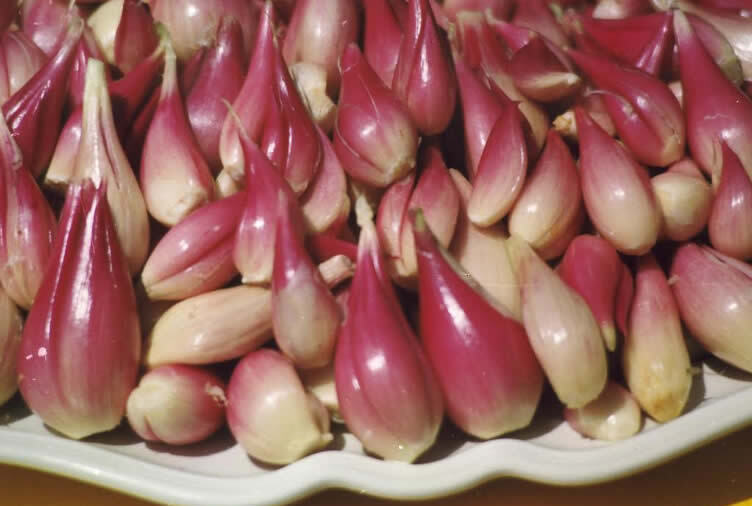
Scalogno di Romagna Igp has a particular flask shape, a leathery skin and a reddish brown colour that distinguishes it from all other varieties grown in Italy and abroad. Halfway between garlic and onion, it is grown without the use of chemical treatments and fertilizers in an area between Romagna and Emilia, in the territories around the town of Riolo Terme (Ravenna).

Belonging to the large family of Liliacee, which includes garlic, onion, leek, lampascione and chives, it boasts a millenary history that takes us back to Roman times. Since it does not have any seeds, for its reproduction it is necessary to plant smaller bulbs which are kept during the previous year's harvest. It cannot be cultivated in succession to itself or to other Liliaceae or Solanaceae, and even less so it is allowed the "restoppio", that is the same cultivation in the same plot of land: in fact at least 5 years must pass for the return of the Shallot on the same plot.

Planting takes place in November-December, while harvesting takes place from mid-June for the fresh product and until mid-July for the dry product. In the kitchen Much appreciated at the gastronomic level, it is widely used in the kitchen. Its strong but rather sweet flavor makes it the ideal ingredient for sauces, gravies, dry pasta sauces, vegetables and roasts.

The fresh bulbs, cleaned of their outer skin and cut into thin slices, can be used together with cubes of ham and tomato to prepare the sauce for tagliatelle. The leaves, freshly picked, can add flavour to mixed salads.

🗺 AI Trip Planner

Plan your visit to Riolo Terme

Suggested itinerary near Scalogno di Romagna Igp

MAJ+
500.000+ travelers worldwide
  1. 🌅
    Morning
    Scalogno di Romagna Igp
    📍 Riolo Terme
  2. ☀️
    Afternoon
    Brisighella, a medieval fairytale town
    📍 6.8 km · Riolo Terme
  3. 🌆
    Evening
    Brisighella DOP Extra Virgin Olive Oil
    📍 6.8 km · Riolo Terme

Buy Unique Travel Experiences

Powered by Viator

See more on Viator.com

Explore nearby · Riolo Terme

Frequently Asked Questions

The best time to visit is from mid-June onwards, when fresh Scalogno di Romagna is harvested, with the dry product harvest continuing until mid-July. This period allows you to witness the actual harvesting process and potentially purchase the freshly harvested shallots directly from local producers in the Riolo Terme area.
Scalogno di Romagna IGP is distinguished by its unique flask shape, leathery skin, and distinctive reddish-brown color that sets it apart from all other varieties grown in Italy and abroad. It is grown without chemical treatments or fertilizers in the specific territories around Riolo Terme in Ravenna, contributing to its unique characteristics and protected status.
This shallot variety is highly valued in local gastronomy for its strong yet sweet flavor, making it ideal for sauces, gravies, and pasta dishes. Fresh bulbs sliced thinly are used in tagliatelle sauce with ham and tomato, while the freshly picked leaves add flavor to mixed salads, showcasing the versatility of this ingredient in regional cooking.
Due to soil nutrient depletion and disease prevention, at least 5 years must pass before replanting Scalogno di Romagna on the same plot of land, and it cannot follow other Liliaceae or Solanaceae crops. This strict rotation requirement reflects the careful agricultural practices necessary to maintain the quality and integrity of this protected designation product.
Scalogno di Romagna is planted between November and December in the territories around Riolo Terme. Since the plant produces no seeds, smaller bulbs saved from the previous year's harvest must be used for reproduction, making proper harvest timing crucial for maintaining the next year's crop.
