



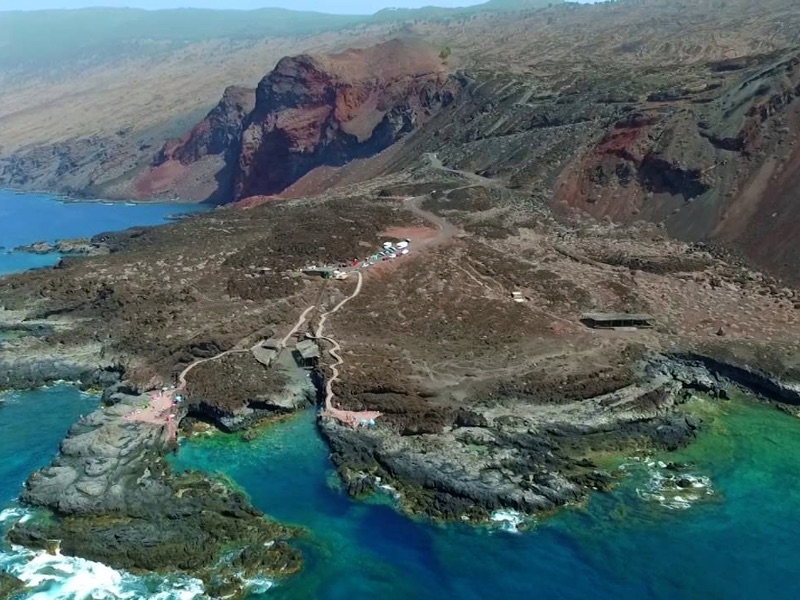
Nestled in the azure embrace of the Atlantic Ocean, El Hierro, the most secluded of the Canary Islands, beckons with its raw beauty and rich cultural tapestry. Often overlooked in favor of its bustling neighbors, this island, also known as the "Isla del Meridiano," is a haven for those seeking a blend of history, tradition, and unspoiled nature.

The history of El Hierro is as intriguing as its jagged cliffs and verdant landscapes. The island’s early inhabitants, the Bimbaches, were a Guanche people who thrived here long before the European conquests. The island gained notoriety in the 2nd century AD when Ptolemy used it as the prime meridian in his maps, a nod to its geographical significance. This distinction lingered until 1884 when the Greenwich meridian was adopted internationally. The island’s modern history began in earnest with the Spanish conquest in the 15th century, led by Jean de Béthencourt under the auspices of the Kingdom of Castile. Despite its turbulent past, El Hierro has preserved its unique identity and traditions through the ages.
Architectural gems on the island reflect its layered history. The Church of Nuestra Señora de la Candelaria, located in the town of Frontera, is a testament to the island's colonial past. Its simple yet elegant structure, with a distinctive bell tower, exemplifies the modest Canarian architectural style. Visitors can also explore El Pinar, where traditional stone houses stand resilient against time, offering a window into the island’s architectural evolution. Art lovers will appreciate the island's commitment to contemporary art at the Centro Cultural Asabanos, which frequently hosts exhibitions by local artists inspired by El Hierro’s dramatic landscapes.

Culturally, El Hierro is a tapestry of vibrant customs and festivals. The most celebrated event is the Bajada de la Virgen de los Reyes, a festival held every four years, drawing crowds from all over the Canary Islands. During this event, the island's patron saint is paraded through the streets to the rhythm of traditional tajaraste music, a dance that embodies the spirit of the islanders. The festival is not just a religious celebration but a vital expression of community and identity.
Gastronomically, El Hierro offers a delightful palette of flavors deeply rooted in its land and sea. The island is renowned for its quesadillas, sweet pastries made with local cheese, and mojo picón, a spicy sauce that accompanies everything from grilled meats to the island’s famous wrinkled potatoes, papas arrugadas. Seafood is a staple, with vieja (parrotfish) and lapas (limpets) often featuring in local dishes. And no visit to El Hierro is complete without sampling the robust local wines, nurtured by the island’s volcanic soil and unique climate.
Beyond the well-trodden paths lie lesser-known curiosities that enrich El Hierro’s allure. The Gorona del Viento hydro-wind power station is a pioneering feat, making El Hierro the first island in the world to be completely powered by renewable energy. The island's landscape is dotted with sabinas, ancient juniper trees that have been sculpted by the wind into fantastic shapes, a symbol of resilience and natural artistry. For those seeking adventure, the underwater volcanic formations off the coast offer some of the world’s best diving experiences, with a kaleidoscope of marine life in the La Restinga marine reserve.
Practical information for visitors is crucial to fully appreciate El Hierro’s offerings. The best time to visit is between April and October when the weather is pleasantly warm, perfect for hiking and exploring. Due to its remote location, the island is less crowded, offering a peaceful retreat from the hustle and bustle of modern life. Travelers should venture to Mirador de la Peña, designed by the renowned architect César Manrique, for breathtaking views of the El Golfo valley. Renting a car is recommended to explore the island’s hidden gems at your own pace, and while Frontera offers essential services, it’s wise to plan for limited availability in more secluded areas.
El Hierro is a microcosm of natural wonders and cultural richness, a place where history and modernity coexist harmoniously. Its landscape tells stories of ancient civilizations and innovative futures, inviting travelers to delve deeper into its enigmatic charm. Whether you’re drawn by its historical significance, cultural vibrancy, or ecological innovation, El Hierro promises an unforgettable journey.
