
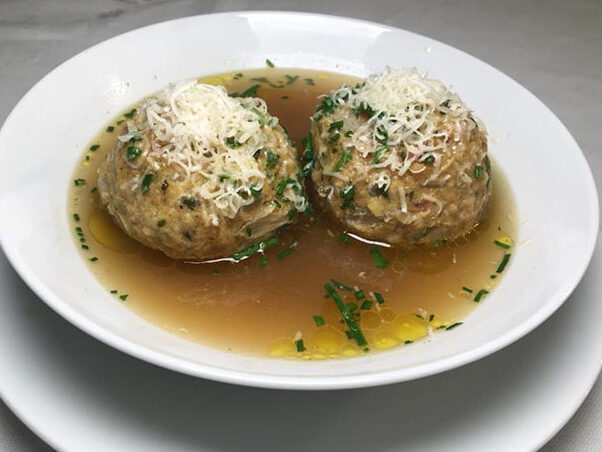

Nestled in the heart of the Trentino-Alto Adige region of northern Italy, Canederli are more than just a hearty meal; they are a culinary emblem of the area’s rich cultural tapestry. These delicious bread dumplings, traditionally made from stale bread, reflect the resourcefulness of local peasant communities and their deep connection to the land and its ingredients.
The origins of Canederli can be traced back to the 14th century, a time when resourcefulness was paramount for survival. In the mountainous regions where fresh ingredients were scarce, local inhabitants turned to stale bread—an essential staple in their diet. By incorporating ingredients such as luganega (a type of sausage), speck (cured ham), and various cheeses or vegetables, they created a versatile dish that could be enjoyed in multiple forms. The dumplings were often served in a rich broth, especially comforting during the cold winter months.
Architecturally, the Trentino-Alto Adige region is a juxtaposition of Italian and Austrian influences, a reflection of its complex history. The charming villages, adorned with traditional wooden chalets and grandiose castles, echo the stories of the past. Bolzano, the capital of the province, features the stunning Cathedral of Bolzano, a perfect example of Gothic architecture, coupled with Baroque elements. The intricate frescoes and majestic spires provide a stunning backdrop, drawing visitors into the region's artistic heritage.
The local culture is steeped in traditions that celebrate both Italian and Germanic roots. Festivals such as the South Tyrol Wine Festival in Merano and the Festa della Vendemmia (Harvest Festival) showcase the region's agricultural bounty. Here, locals engage in dancing, music, and, of course, the tasting of regional wines and foods, including Canederli. These events serve as a vibrant reminder of the community’s agricultural heritage and the importance of seasonal produce.
When it comes to gastronomy, Canederli are often accompanied by a variety of local foods and drinks. Pair these dumplings with a glass of Lagrein, a rich red wine indigenous to the region, or opt for a refreshing Gewürztraminer for a more aromatic experience. The dish is not just a meal; it is a celebration of local flavors. Cheeses like Asiago and Graukäse are commonly used in the dumplings, enhancing their richness and depth.
For those interested in lesser-known curiosities, Canederli are often linked to local folklore. It is said that the dish was created as a way for families to come together and share resources during the harsh winters. Moreover, variations of Canederli exist, including sweet versions filled with fruit, showcasing the adaptability of this humble dish. Visitors might also discover that Canederli are known by different names in various local dialects, such as "Knödel" in German-speaking areas.
The best time to visit and indulge in Canederli is during the autumn and winter months, when the cool weather calls for hearty meals. The picturesque landscapes of the Dolomites in fall, with their vibrant foliage, create a stunning backdrop for your culinary adventure. Travelers should seek out local taverns and restaurants, where traditional recipes are lovingly prepared. Look for places that offer Canederli in broth, as this is the quintessential way to experience this dish.
When planning your trip, consider visiting smaller villages like Ortisei or Castelrotto, where the authentic flavors of Canederli shine. Engage with locals, as they often share family recipes and stories behind the dish. Be sure to explore local markets where fresh ingredients abound, allowing you to experience the essence of Trentino-Alto Adige.
In conclusion, Canederli are not just an exquisite example of local cuisine but also a window into the rich history and culture of the Trentino-Alto Adige region. To fully appreciate the beauty and flavors of this area, consider using the Secret World app to craft a personalized itinerary that highlights your culinary journey.


