
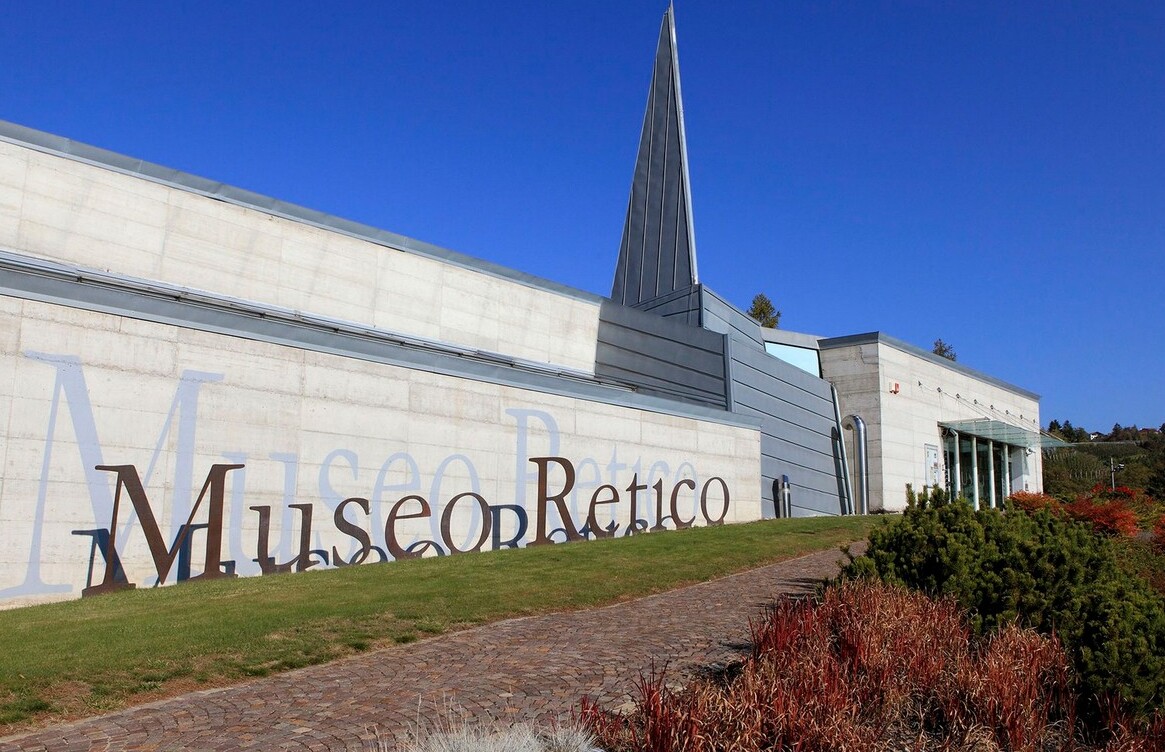

Nestled in the serene Casalini di Sanzeno, the Rhaetian Museum stands as a testament to the rich tapestry of human history that has unfolded in this enchanting corner of northern Italy. With coordinates 46.3702778, 11.0808333, the museum is situated within an area that has been a hub of archaeological significance for centuries. The excavations here have unearthed a wealth of artifacts, allowing historians to reconstruct the lives of ancient peoples from the Palaeolithic era through to the early days of Christianity.
The history of this region is deeply intertwined with the enigmatic Rhaetians, a people who inhabited the areas of Trentino and Tyrol long before the arrival of the Romans. Their exact origins remain a subject of debate, with Pliny the Elder suggesting they were descendants of the Etruscans, while evidence also points to connections with the Celts. The museum showcases the Rhaetians' remarkable artistic achievements, including finely crafted cult objects, tools, and everyday items that provide a glimpse into their daily lives and spiritual practices.
As the Roman Empire expanded, Rhaetia was incorporated as a province under Emperor Augustus in 15 BCE. This shift marked a significant transition in the region's cultural landscape. The museum houses an impressive collection of Roman artifacts, from statues and intricate funerary objects to epigraphs that document the rituals and beliefs of the time. Visitors can explore how new cults, influenced by Eastern traditions, began to permeate the local culture, culminating in the tales of the martyrdom of the saints of Anaunia, which heralded the arrival of Christianity in the area.
Architecturally, the Rhaetian Museum itself is a blend of modern design and historical reverence. Its sleek, contemporary structure is thoughtfully integrated into the landscape, providing a striking contrast to the ancient relics housed within. The museum emphasizes the importance of sustainable architecture, using local materials that echo the region’s history. Notable artworks include intricate murals and installations that narrate the story of the Rhaetians, inviting visitors to engage with the past in a dynamic way.
Local culture in Sanzeno is rich and vibrant, deeply rooted in its historical connections. Traditional customs are often celebrated through various festivals, the most notable being the Festa di San Vigilio in June, which honors the region’s patron saint. This lively event features processions, music, and local cuisine, attracting residents and visitors alike. You’ll find that the community takes pride in its heritage, with many locals actively participating in preserving traditional crafts and practices.
When it comes to gastronomy, Sanzeno and the surrounding regions boast a variety of delightful local foods. A must-try dish is Canederli, bread dumplings often served in broth or with butter and cheese, showcasing the Germanic influences in the area. Pair this with a glass of Teroldego, a robust red wine native to the Trentino region, to fully appreciate the local flavors. The culinary scene here reflects a harmonious blend of Italian and Alpine traditions, making dining an integral part of the cultural experience.
For those looking to explore lesser-known curiosities, one fascinating detail is the discovery of a Rhaetian necropolis near the museum, which has provided invaluable insights into burial practices and social structures of the ancient inhabitants. Additionally, the museum hosts occasional workshops and educational programs, allowing visitors to engage with historical crafts and techniques firsthand, which many tourists often overlook.
The best time to visit the Rhaetian Museum is during the late spring or early autumn months, when the weather is mild and conducive for exploring both the museum and the surrounding natural beauty. It's advisable to check the museum's schedule for any special exhibitions or events that may coincide with your visit. Don't forget to take note of the interactive displays and guided tours that enhance the experience, offering deeper insights into the artifacts on display.
In conclusion, a visit to the Rhaetian Museum in Sanzeno is not just about witnessing history; it is an immersive journey into the lives of those who shaped this remarkable region. With its rich tapestry of culture, art, and gastronomy, Sanzeno invites exploration and appreciation. For a personalized itinerary to discover this hidden gem, consider using the Secret World app to plan your visit.


