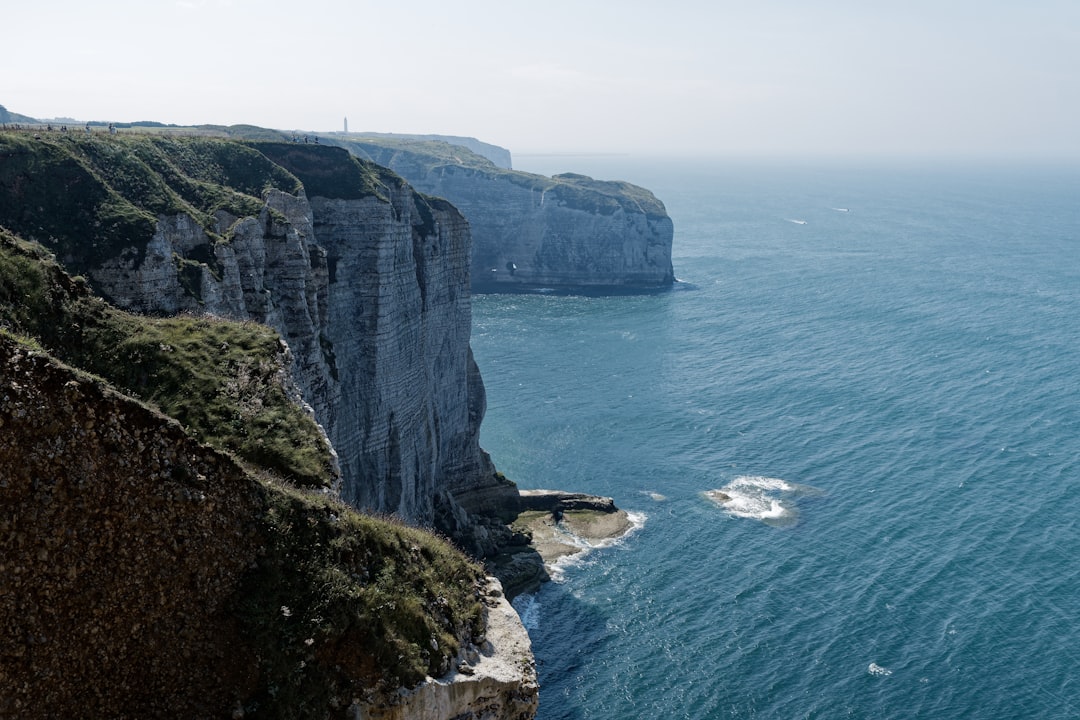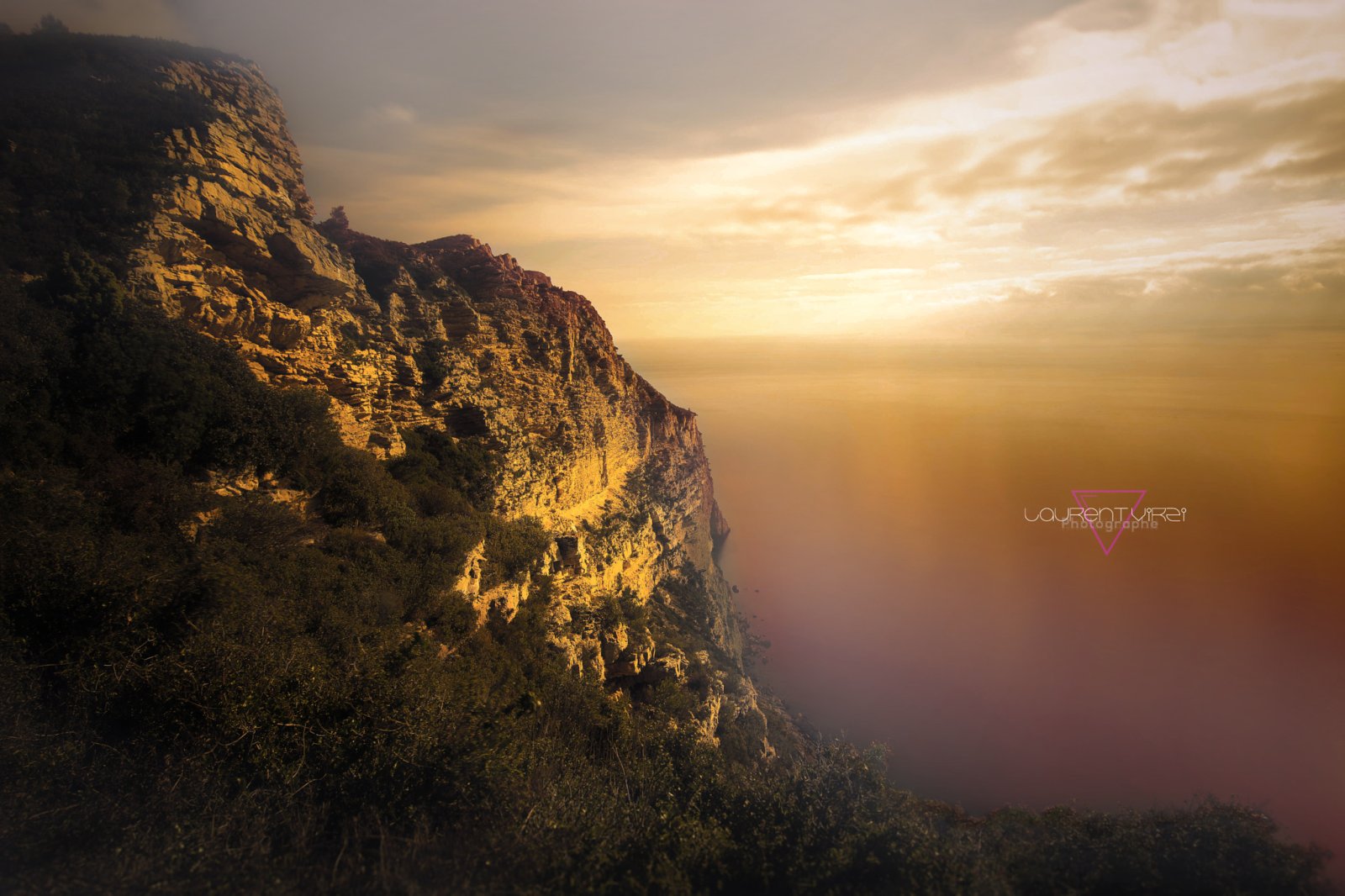
Cap Canaille, a breathtaking headland located in the Bouches-du-Rhône département, is not just the highest sea cliff in France but a dramatic testament to nature's artistry. Rising to a staggering 394 meters (1,293 feet) above the azure waters of the Mediterranean Sea, this striking geological formation is situated between the charming towns of Cassis and La Ciotat, approximately 27 kilometers (16 miles) from the bustling center of Marseille. Its towering cliffs, known as the Falaises de Soubeyrannes, are composed of layers of ochre sandstone, conglomerate, and limestone that date back to the Turonian age, with grey marl underneath dating from the Cenomanian period.
### History and Origins The history of Cap Canaille is as rich as its natural beauty. The region has been inhabited since ancient times, serving as a significant site for the Greek and Roman civilizations. The nearby town of Cassis was originally a Roman port known as 'Casius,' reflecting its long-standing maritime importance. In the 17th century, the cliffs were used as lookout points to guard against pirates and invaders. Through the ages, the cliffs have inspired countless tales of adventure and exploration, becoming a part of the cultural narrative of southern France.
### Art and Architecture The architectural style in the surrounding towns reflects the Mediterranean aesthetic, characterized by pastel-colored buildings with tiled roofs and wrought-iron balconies. Notable artworks can be found throughout Cassis, including local galleries that showcase contemporary pieces inspired by the vibrant colors of the cliffs and sea. The cliffs themselves have been a muse for many artists, including the famed painter Paul Cézanne, who often depicted the rugged landscapes of Provence in his works, emphasizing the interplay of light and shadow on the cliffs.
### Local Culture and Traditions Cassis is steeped in a vibrant local culture that celebrates its maritime heritage. The annual Cassis Wine Festival is a highlight, where visitors can indulge in the region's exceptional wines, particularly the crisp whites and rosés that complement its seafood. Other customs include the Fête de la Saint-Jean in June, a lively celebration featuring bonfires, music, and traditional dance, drawing locals and visitors alike to honor the summer solstice.
### Gastronomy The gastronomic scene in Cassis is as stunning as its vistas. Fresh seafood dominates the menu, with specialties like bouillabaisse, a traditional Provençal fish stew, and moules marinières (mussels cooked in white wine). Local wines, particularly those from the surrounding Cassis vineyards, are renowned for their quality. The AOC Cassis designation guarantees the excellence of these wines, and tasting them while gazing at the cliffs is an experience not to be missed.
### Lesser-known Curiosities While many visitors flock to the prominent viewpoints, few know that Cap Canaille boasts hidden trails leading to secluded coves and stunning vistas. The cliffs are also home to a unique flora and fauna, including rare species of orchids that bloom in spring. Additionally, the Corniche des Crêtes, a scenic road that runs along the top of the cliffs, offers breathtaking panoramic views but can be treacherous; caution is advised while driving.
### Practical Visitor Information The best time to visit Cap Canaille is during the spring and early fall, when the weather is mild, and the landscapes are at their most vibrant. Early mornings or late afternoons provide the most enchanting lighting for photography. Don't forget to bring sturdy shoes if you plan to hike along the cliff paths! Always respect local wildlife and the delicate ecosystems that thrive here.
If you're looking for a way to enhance your visit, consider utilizing the Secret World app to create a personalized itinerary tailored to your interests in Cassis.