
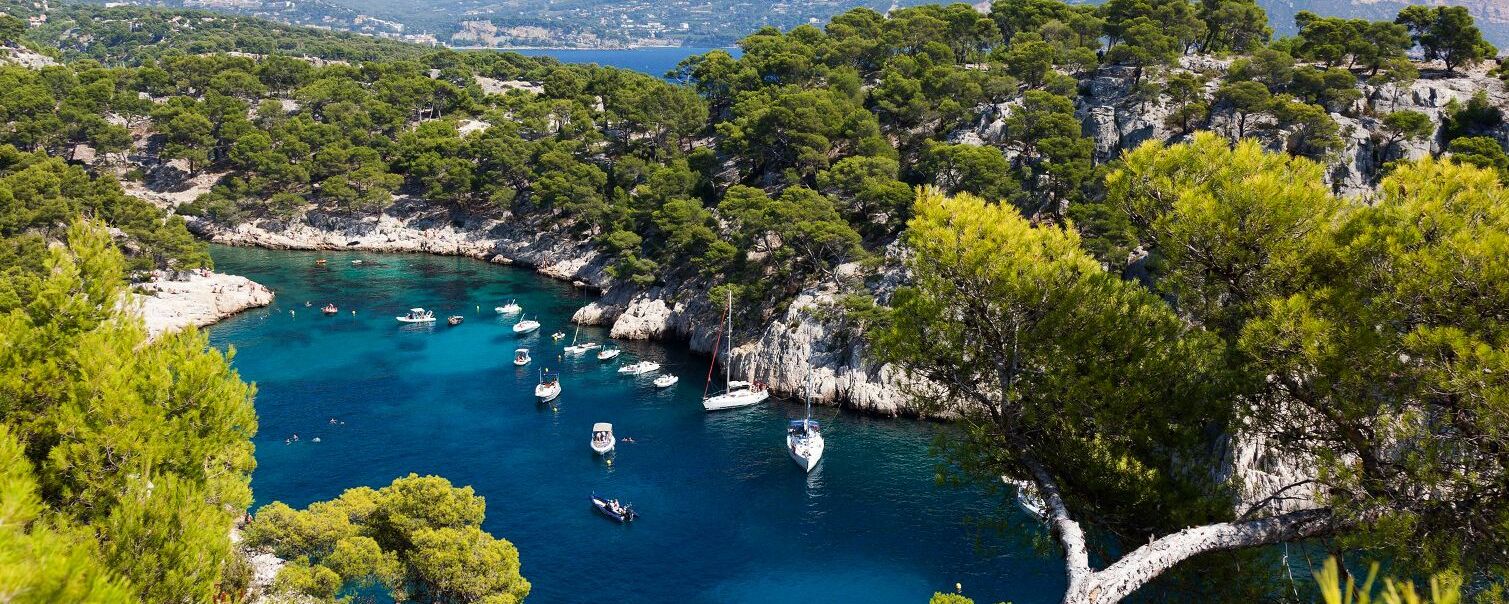

The coast between Cassis and Marseille is a breathtaking tapestry of nature's artistry and history, a place where the rugged grandeur of France's highest sea cliffs meets the serene beauty of the Calanques National Park. This stunning 10-mile stretch is a must-visit for those seeking a blend of natural wonder, cultural richness, and gastronomic delight.
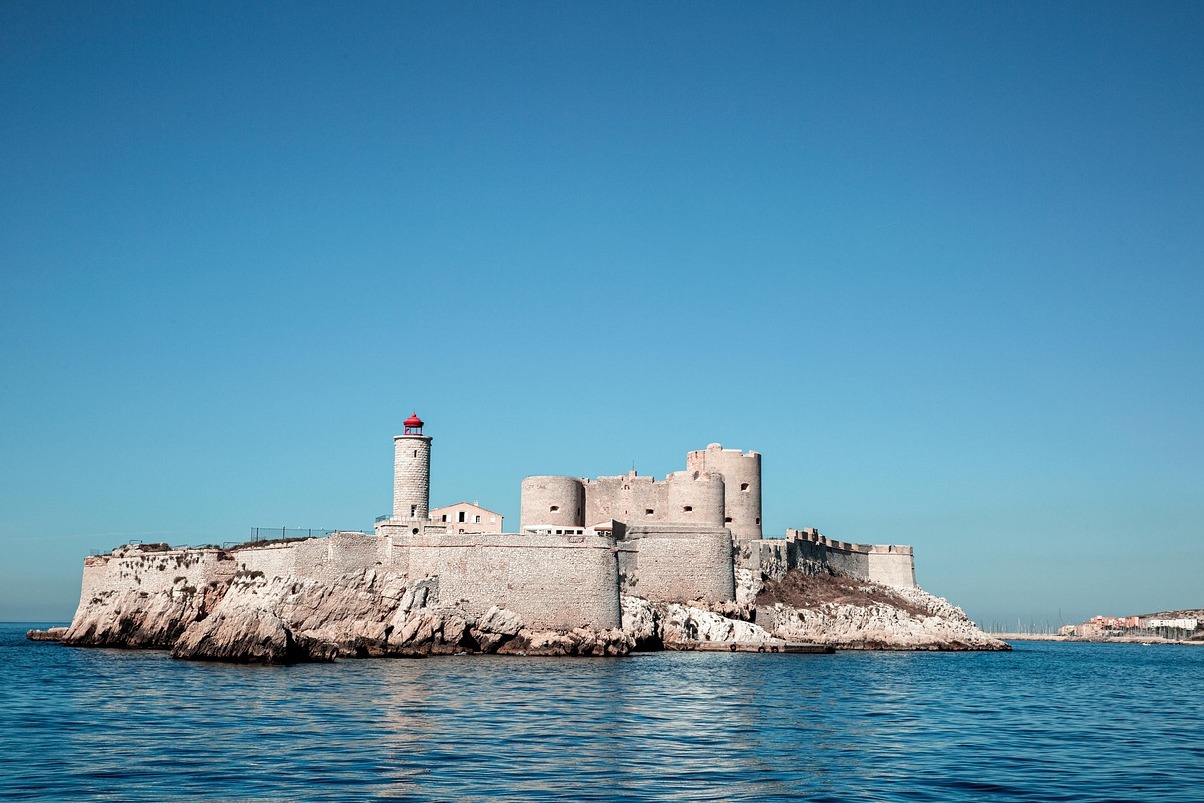
This region's history is as layered as the cliffs themselves. Its strategic location made it a coveted area for ancient civilizations. The Greeks first settled in nearby Massalia (modern-day Marseille) around 600 BC, establishing it as a vital trading hub. As you wander along the coast, you tread paths once used by the Romans, who were drawn to the area's natural beauty and resources. The calanques, those iconic fjord-like inlets, have been shaped over millions of years, yet they remain a testament to the relentless power of nature.
Architectural enthusiasts will find much to admire here. The charming town of Cassis is an architectural jewel, with its pastel-colored buildings and narrow cobblestone streets. The white limestone cliffs provide a stark, dramatic backdrop to the town's traditional Provençal architecture. In Marseille, the Basilique Notre-Dame de la Garde is a crowning glory, perched atop the city's highest point. Its Romano-Byzantine style, with intricate mosaics and a golden statue of the Virgin Mary, is a beacon for sailors and a symbol of the city's enduring spirit.
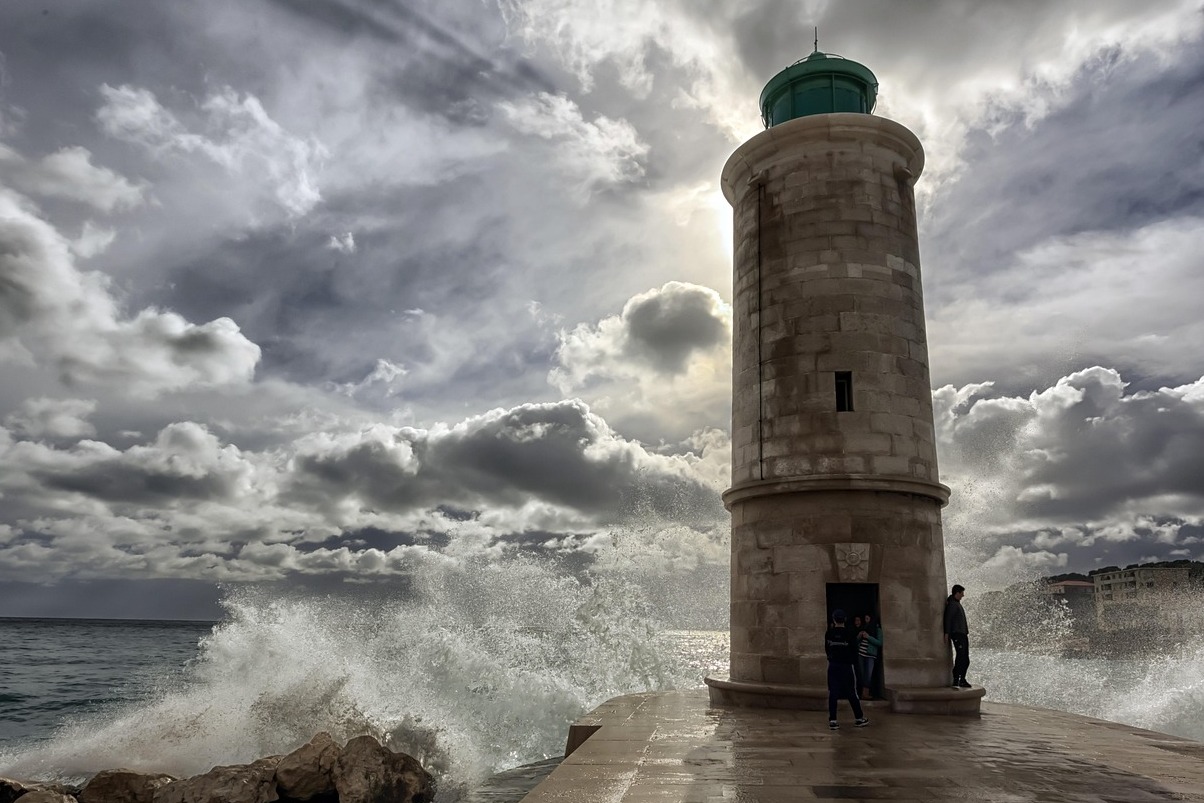
Cultural richness is woven into the fabric of life along this coast. Festivals like the Fête de la Saint-Jean in June celebrate the arrival of summer with bonfires and traditional music. The local people, known for their warmth and hospitality, maintain a deep connection to the sea, evident in the vibrant Fête de la Mer. This celebration honors the maritime heritage that has shaped the region's identity for centuries.
A visit here wouldn't be complete without indulging in its gastronomic offerings. The Bouillabaisse, a rich fish stew originating from Marseille, is a must-try. Its authentic flavor comes from an array of local fish, including rascasse and gurnard, simmered with Provençal herbs and spices. Pair this with a glass of Cassis AOC wine, known for its crisp, mineral notes, and you have a true taste of the Mediterranean.
For those seeking lesser-known delights, the region offers hidden gems beyond the well-trodden paths. The Cap Canaille, the highest sea cliff in France, provides panoramic views that are nothing short of spectacular. Few visitors realize that just beneath the surface of these waters lies a rich marine life, making it a haven for divers. The Cosquer Cave, an underwater grotto discovered in 1985, contains prehistoric paintings dating back over 20,000 years, offering a glimpse into the lives of ancient inhabitants.
When planning your visit, timing can enhance the experience. The best months are from April to June and September to October, when the weather is pleasantly warm, and the tourist crowds are thinner. The calanques, accessible by hiking trails or boat tours, offer a more intimate encounter with nature in these quieter months. Be sure to wear sturdy shoes, bring plenty of water, and check for any trail closures due to weather conditions.
As you explore this enchanting stretch of coastline, keep an eye out for the Martigues, small traditional fishing boats unique to the region. These colorful vessels are a testament to the enduring maritime culture. And for a touch of local superstition, consider the Cassis stone, a talisman said to bring good luck, found only in this part of Provence.
The coast between Cassis and Marseille is a place where history, art, and nature intertwine seamlessly. Whether you're drawn by the allure of the calanques, the charm of Cassis, or the vibrant culture of Marseille, you'll find a destination that enchants and inspires at every turn.


