
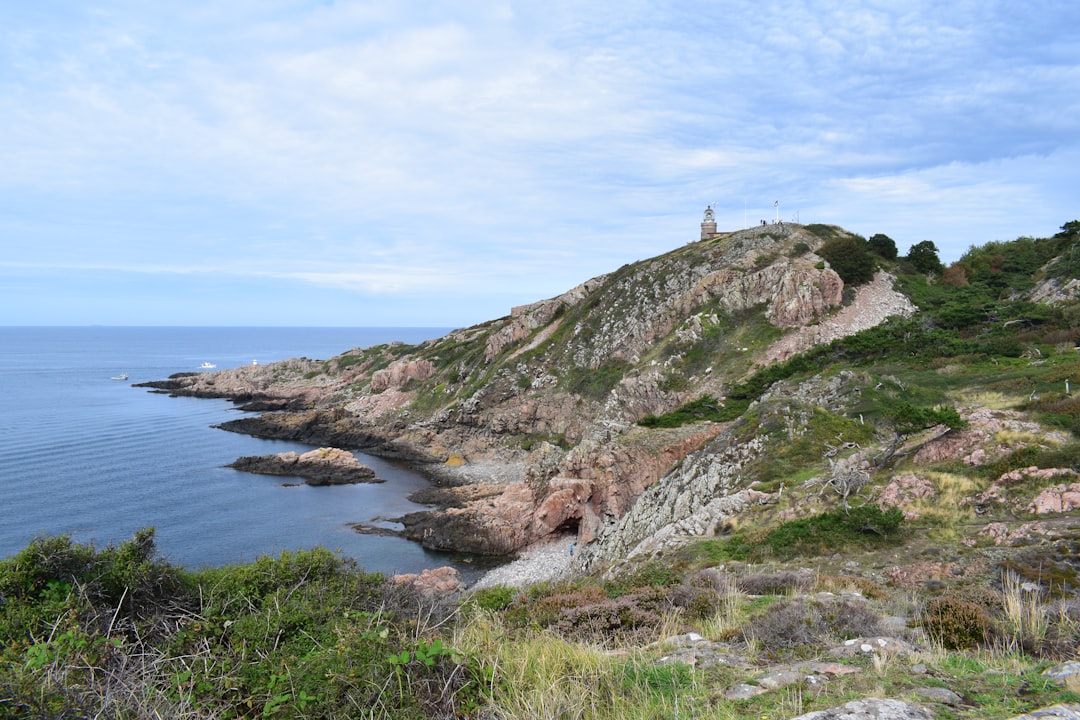

The road leading to the Cap de Formentor Lighthouse is, in itself, a breathtaking experience. Narrow hairpin turns open up to dizzying cliffs, where the gray limestone plunges into the emerald-colored Mediterranean hundreds of meters below. Even before seeing the lighthouse, the landscape demands a stop: the rocky walls of the Formentor peninsula, in the northern part of Mallorca, are among the most spectacular in the Balearic archipelago.
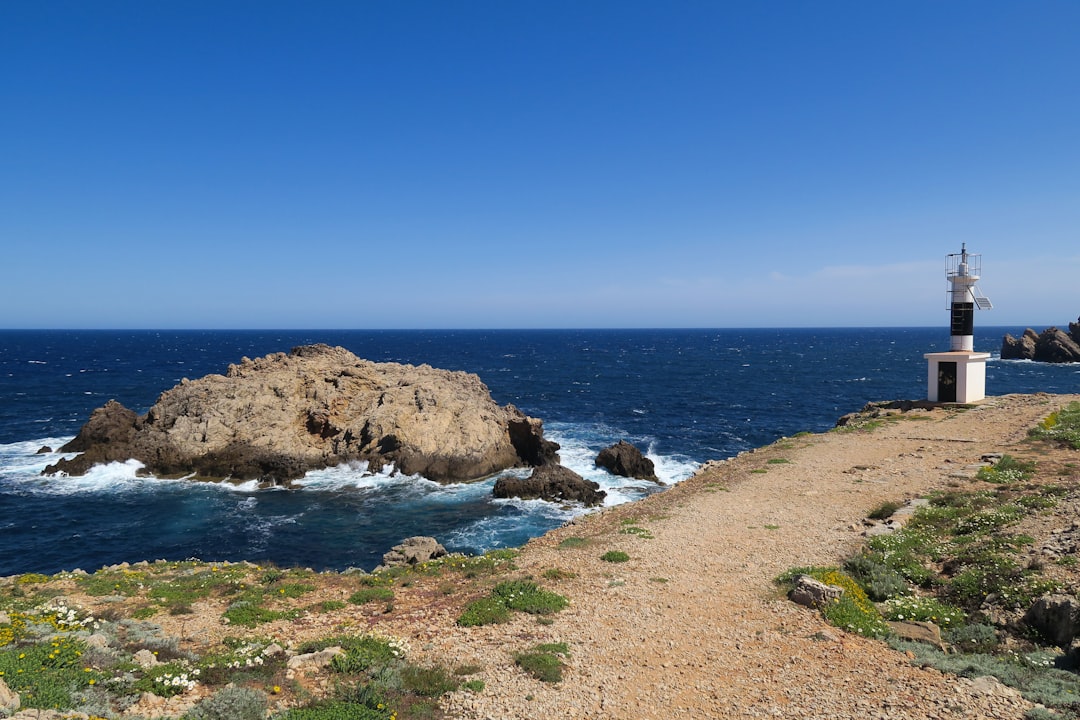
The lighthouse stands at the tip of the peninsula, about 20 kilometers from Pollença, and has been in operation since 1863. Its white tower, simple and compact, stands out against the sky with a sober presence that contrasts with the drama of the surrounding landscape. At almost 200 meters above sea level, the viewpoint adjacent to the structure offers a 360-degree view that on clear days allows one to glimpse the distant silhouettes of Menorca and, in exceptional conditions, even the coasts of Sardinia.
History and Function of an Active Lighthouse

Built in the second half of the nineteenth century to signal to navigators one of the most treacherous stretches of coastline in the western Mediterranean, the Cap de Formentor Lighthouse is still operational today. Its intermittent light continues to guide vessels passing through the channel between Mallorca and Menorca, just as it did over 160 years ago when it was inaugurated. The original structure has undergone maintenance interventions over the decades, but the exterior appearance retains the architectural simplicity typical of Spanish lighthouses from the Victorian era.
Next to the main tower are the service buildings that once housed the lighthouse keepers and their families. Today, these spaces have been partially converted: on the ground floor, there is a small bar-restaurant where one can stop for a coffee or a light meal, with outdoor tables that overlook the sea. It is one of those places where even a simple drink becomes a memorable experience, thanks to the setting.

The landscape: cliffs, wind, and impossible colors
The Formentor peninsula is one of the protected areas of Mallorca, and the vegetation that covers it — maritime pines, wild rosemary, Mediterranean scrub — contributes to creating a powerful chromatic contrast with the white of the rock and the deep blue of the sea. Approaching the lighthouse, it is common to spot raptors that take advantage of the thermal currents generated by the cliffs: the Eleonora's falcon (Falco eleonorae) nests in this area during the summer months.
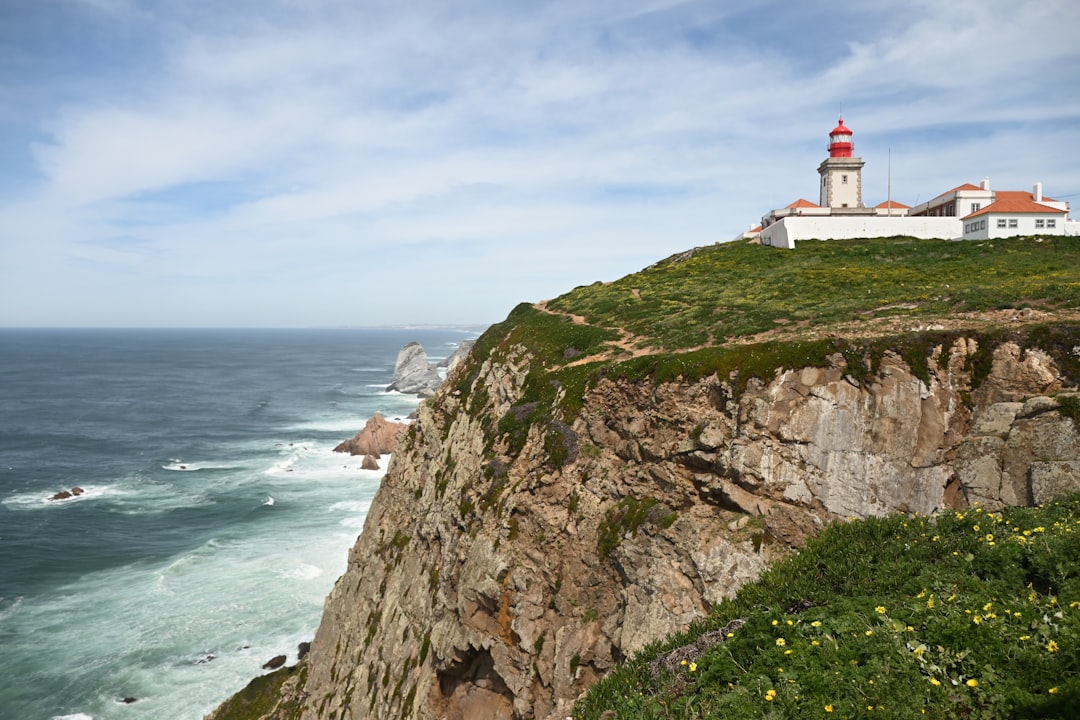
The viewpoint overlooking the sea, reachable on foot in a few minutes from the parking lot, is probably the most exciting moment of the visit. From here, it is clear how the peninsula narrows down to become a blade of rock that plunges into the sea. The waters, depending on the time and light, vary from transparent turquoise to deep blue, with shades that change rapidly when the wind raises foamy waves against the vertical walls.
How to get there and practical advice

Access to Cap de Formentor is via the Ma-2210, the scenic road that starts from Port de Pollença. During the summer months — from June to September — the road is subject to restrictions on private traffic during the central hours of the day, and local authorities promote the use of public shuttles that depart from Port de Pollença. Always check the updated restrictions on the Consell de Mallorca website before planning your visit, as the rules may vary from year to year.
The best time to visit the lighthouse is early in the morning, preferably before 9:00 AM, when the light is softer, parking is still available, and tour buses have not yet reached the site. Alternatively, late afternoon offers a golden light that enhances the colors of the rock and the sea. Allow at least an hour and a half to enjoy the place at a leisurely pace, including the walk to the viewpoint and a stop at the bar. The visit to the lighthouse is free and accessible all year round, although in winter some service facilities may have reduced hours.
Why the trip is worth it
The Cap de Formentor Lighthouse is not a museum, nor a monument in the traditional sense of the term. It is a functional building in a place of wild beauty, and this combination is exactly what makes it worthy of a dedicated visit. It is not enough to pass by while touring the island: it deserves to be the destination of a day, with enough time to sit, look at the sea, and understand why sailors a century and a half ago needed a point of light in this corner of the world.
Bring enough water, comfortable shoes for walking on rocky surfaces, and, in the warmer months, adequate sun protection. The wind can be strong even on sunny days: a light jacket is never superfluous at this altitude.


