
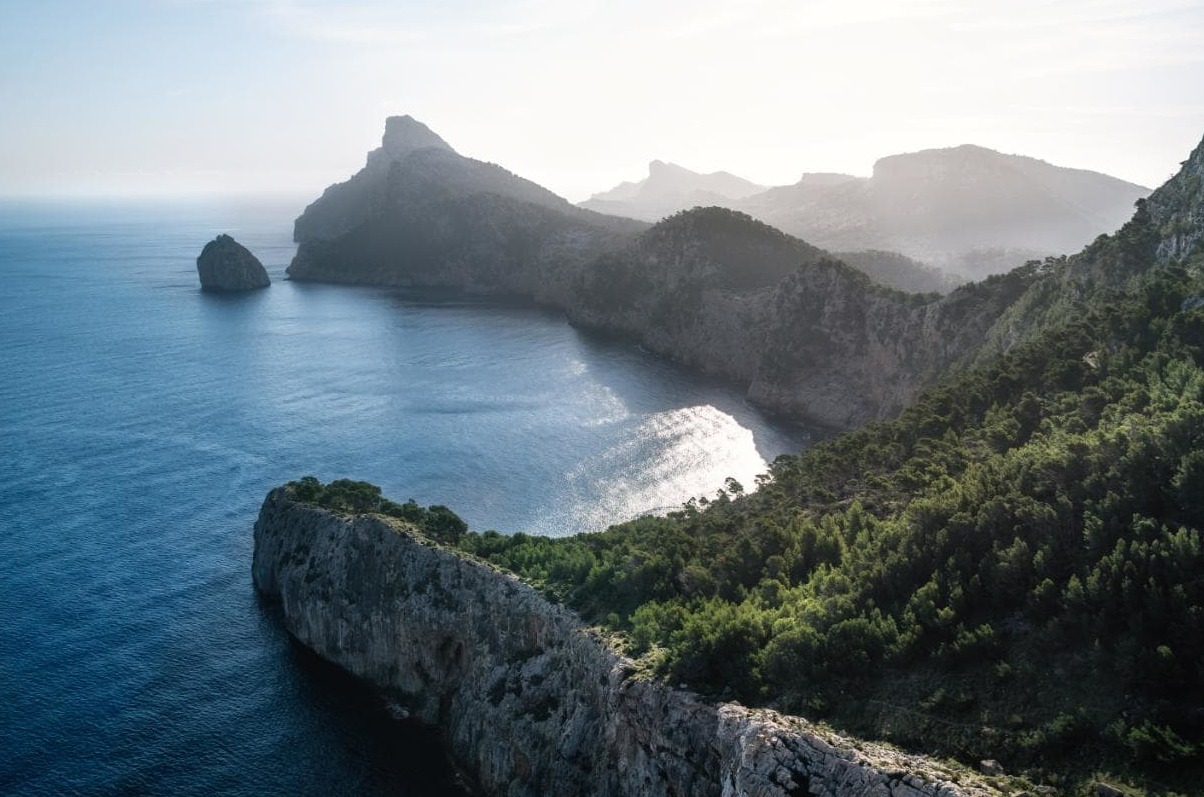

Perched on the rugged northern coast of Mallorca, Coll de sa Creueta offers more than just breathtaking views; it is a gateway to the island's rich tapestry of history, art, and culture. Known also as Mirador de la Creueta or El Colomer, this scenic point is a testament to the island's natural beauty and cultural depth.
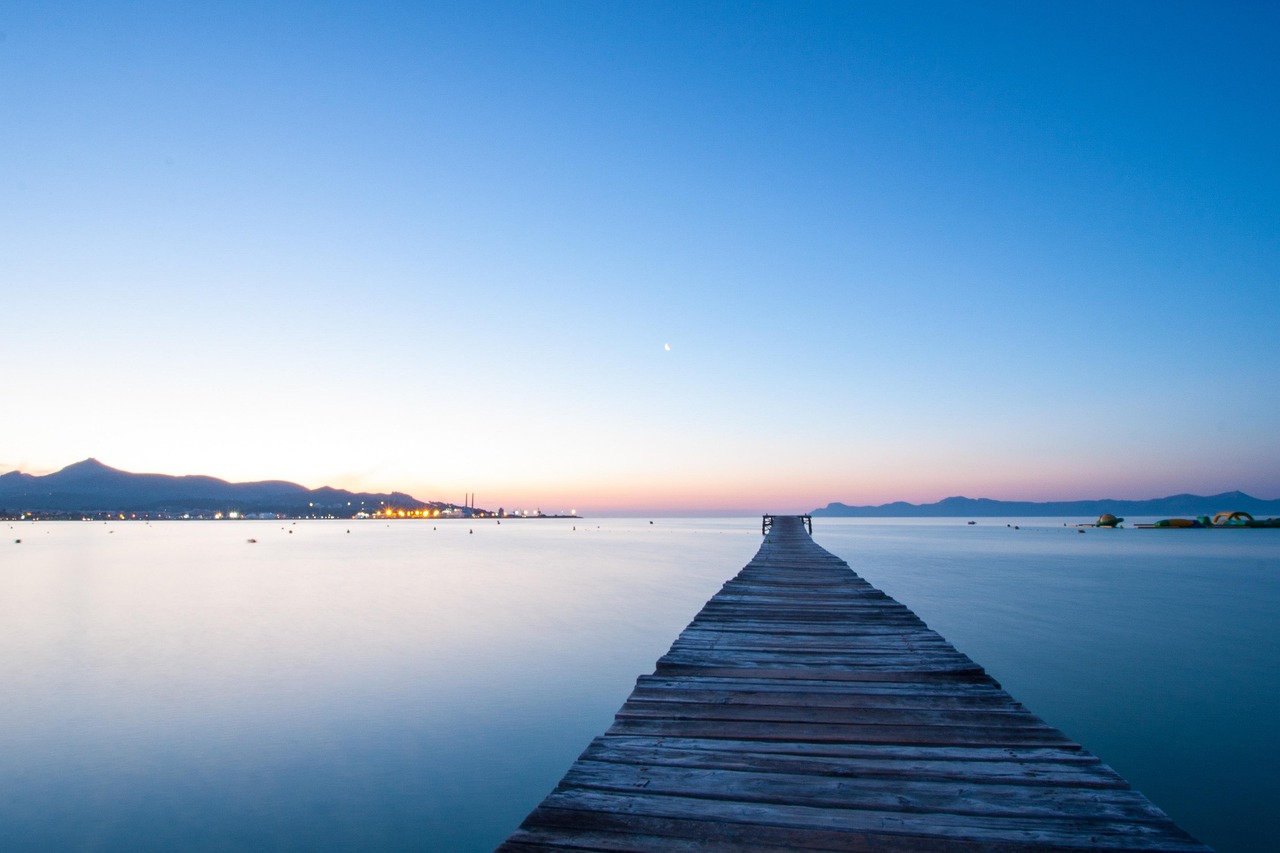
The history of Coll de sa Creueta is intertwined with that of Mallorca itself, an island steeped in a rich past. Traces of human settlement in the region date back to the Bronze Age, with the Talaiots—ancient stone towers—serving as silent witnesses to the passage of time. These prehistoric structures reflect a society deeply connected to the land and sea. Over the centuries, the area has seen the influence of the Phoenicians, Romans, and Moors, each leaving their mark on the cultural landscape. The strategic location of the mirador, overlooking the Bay of Pollença, was significant for these ancient civilizations, offering both a defensive advantage and a vantage point for maritime activities.
Architecturally, the Mirador de la Creueta itself is a simple yet striking construction. Built in the 20th century as part of the road network to improve access to the northeastern part of the island, the viewpoint is a blend of practical engineering and aesthetic sensibility. The stone balustrades and lookout points are designed to harmonize with the natural surroundings, allowing the dramatic cliffs and azure waters to take center stage. The road, PM-221, was a project of the Spanish Republican government in the 1930s, aiming to boost tourism and accessibility.
Culturally, the region around Coll de sa Creueta is a vibrant tapestry of Mallorcan traditions. The nearby town of Pollença is famous for its Festes de la Mare de Déu dels Àngels, held every August. This festival includes a reenactment of the historic battle between Moors and Christians, a lively event that draws locals and tourists alike. Music, dance, and traditional costumes illuminate the streets, showcasing the island's rich cultural heritage.
No visit to Mallorca is complete without indulging in its gastronomy, and the area around Coll de sa Creueta is no exception. Local specialties such as sobrassada, a cured sausage made from pork and paprika, and ensaimada, a spiral-shaped pastry dusted with powdered sugar, are must-tries. The nearby coastal towns offer fresh seafood, with dishes like arroz brut, a hearty rice dish flavored with saffron and seasonal meats, providing a taste of the island's culinary diversity.
While many visitors come to Coll de sa Creueta for its panoramic views, few are aware of the fascinating stories hidden in its shadows. The small islet of El Colomer, visible from the mirador, is named for the pigeons that once thrived there. According to local legend, the islet was used as a lookout post by pirates who roamed the Mediterranean, a reminder of the island's tumultuous past. Additionally, the area is home to a variety of endemic plants and wildlife, making it a surprising haven for nature enthusiasts.
For those planning a visit, the best time to experience Coll de sa Creueta is during the spring or early autumn. During these months, the weather is mild, and the crowds are fewer, allowing for a more intimate experience of the landscape. Arriving early in the morning or late in the afternoon offers the chance to witness the sun casting its golden glow over the cliffs, a photographer's dream. Comfortable walking shoes are recommended, as the terrain can be uneven in places. Keep an eye out for the Bonelli's eagle, a majestic bird that often soars above the cliffs.
In essence, Coll de sa Creueta is more than just a mirador; it is a crossroads of history, culture, and natural beauty. This captivating slice of Mallorca invites visitors to pause, reflect, and immerse themselves in the stories that have shaped this enchanting island.


