



The Cape Wrath Trail is not just a path; it’s a journey through time and nature, stretching 378 kilometers along the rugged ridges of the Western Highlands in Scotland. This trail unveils the raw beauty of the landscape, where the land meets the relentless waves of the Atlantic Ocean at Cape Wrath, the northernmost point of mainland Britain. The location, marked by coordinates 58.6333° N, 5.0333° W, offers a breathtaking end to a challenging trek, where the phrase “beyond, only ice” rings true.

The history of the Cape Wrath Trail is steeped in the ancient lore of Scottish clans and the natural rhythms of the land. The area has been inhabited since prehistoric times, with archaeological evidence suggesting a rich tapestry of human activity, from the Mesolithic period onward. Early settlers utilized the fertile grounds and abundant resources, leaving behind stone tools and remnants of settlements. Over centuries, the Gaelic culture flourished in the Highlands, with the area becoming a stronghold for clans such as the MacLeods and MacKenzies. The 19th century saw an influx of poets and writers, such as Robert Louis Stevenson, who celebrated the rugged beauty of the Highlands in their works, further embedding the region in the cultural consciousness.
Architecturally, the trail is an homage to the simplicity and functionality of Highland building styles. Traditional bothies, or simple stone huts used by travelers and shepherds, dot the landscape. These structures reflect the local vernacular, constructed with materials sourced from the surrounding environment, primarily stone and timber. Notable historical sites along the route include the Cape Wrath Lighthouse, built in 1828 by Robert Stevenson, which stands as a sentinel against the tumultuous Atlantic, guiding sailors away from the treacherous cliffs.
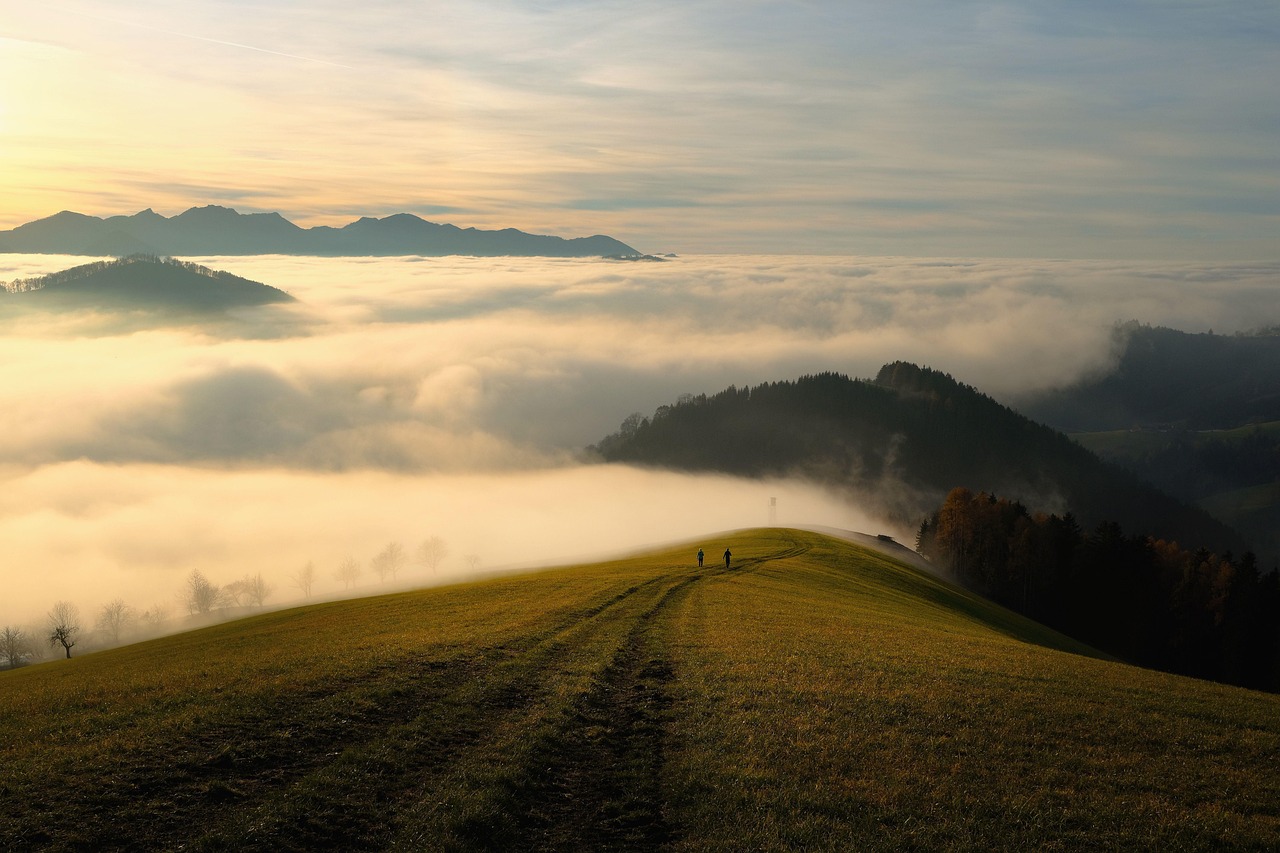
The local culture is vibrant and steeped in tradition, with customs passed down through generations. The region celebrates its Gaelic heritage through various festivals, such as Beltane, marking the arrival of summer with music, dance, and communal gatherings. The Lochaber Gathering, held annually, showcases traditional Highland games, where locals and visitors alike can witness the strength and agility of athletes in events like caber tossing and tug-of-war. The spirit of community and resilience is palpable, echoing the struggles and triumphs of the Highland people.
Gastronomy in this remote region is influenced by the raw, natural bounty of the land and sea. Local specialties include Cullen Skink, a hearty soup made from smoked haddock, potatoes, and onions, perfect for warming the soul after a day of trekking. Venison is a staple in the Highlands, often served alongside seasonal vegetables and rich gravies. For those with a sweet tooth, tablet, a Scottish fudge, offers a delightful treat, while a dram of single malt whisky, distilled from the pure waters of the Highlands, is a must-try for any visitor.
For those who think they know the Cape Wrath Trail, there are hidden gems waiting to be discovered. For instance, few realize that the trail passes through the Flow Country, a vast expanse of peat bogs that is a UNESCO World Heritage site. This unique ecosystem is home to a plethora of wildlife, including the elusive hen harrier and the majestic red deer. Moreover, the trail is rich in folklore; many hikers may hear tales of selkies—mythical beings that transform from seals to humans—echoing the deep connection between the local people and the natural world.
The best time to embark on the Cape Wrath Trail is during the late spring to early autumn months, specifically from late May to early September. However, travelers should be prepared for the unpredictable Scottish weather, which can shift rapidly, necessitating good waterproof gear and sturdy footwear. As you navigate the trail, be sure to take time to enjoy the stunning vistas, from the dramatic cliffs at Cape Wrath to the serene beauty of the Assynt region.
For those planning a visit, consider traveling in small groups to enhance the experience, allowing for shared moments of awe and camaraderie along the route. The trail is marked but can be challenging, so having a reliable map or guide is essential.
As you prepare for your journey, let the Secret World app help craft a personalized itinerary, ensuring each moment of your adventure is unforgettable.
