
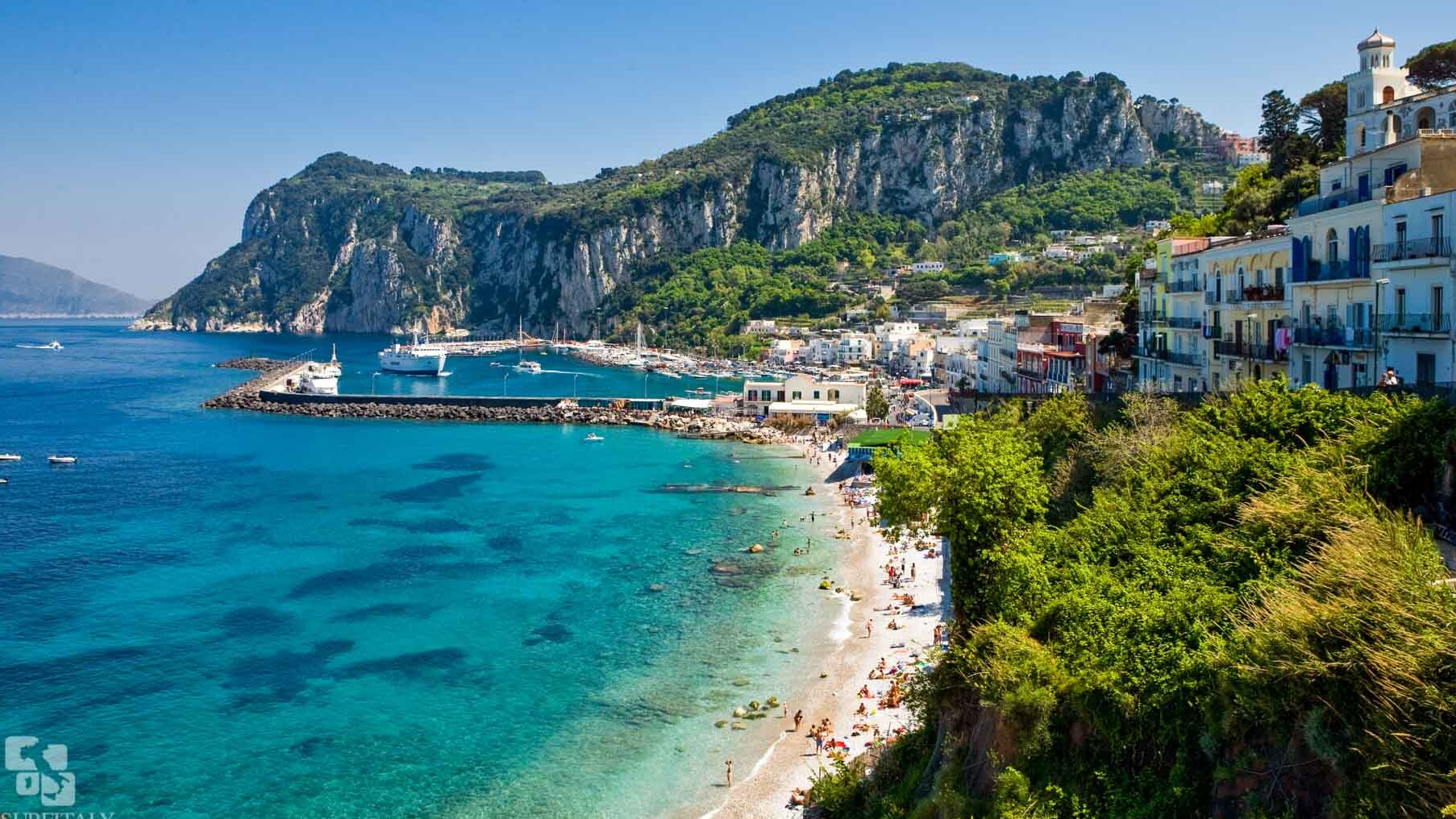

Go to visit Capri once and there is a heavy chance you may never want to leave. This is that dream place in our imagination which has an unsustainable perfection about it. Its legendary beauty grasped the kings, artists, popular personalities and the common man alike. History, art and culture form the heart and soul of Capri. It is a magnificent island with exotic villas and mysterious caves which open and close with the tides.
History and Origins The allure of Capri dates back to ancient times, with its history steeped in mythology and Roman legacy. The island was famously favored by Emperor Tiberius, who ruled the Roman Empire from Capri between AD 14 and 37. Tiberius built twelve villas on the island, the most notable being Villa Jovis, an extravagant structure perched high above the cliffs, offering breathtaking views of the Gulf of Naples. During the Middle Ages, Capri's strategic location made it a refuge for pirates and a haven for artists and thinkers seeking inspiration.
The island's historical significance grew as it became a popular destination for the elite and nobility during the 19th century, hosting renowned personalities like Gustav Klimt and Jean Cocteau. Today, Capri continues to be a sanctuary for those seeking beauty and tranquility.

Art and Architecture Capri's architectural landscape is a harmonious blend of traditional Mediterranean styles and modern design. The iconic Piazzetta, or little square, serves as the heart of the island and is surrounded by charming cafes and boutiques. The Church of San Stefano, with its stunning Baroque façade and beautiful majolica-tiled floor, is a testament to the island's artistic heritage.
In addition to its churches, Capri is dotted with luxurious villas, such as the Villa Malaparte, a stunning example of 20th-century modernism that juts dramatically into the sea. Artists flock to Capri to capture its vibrant landscapes, with the Blue Grotto being a prime subject, where light refracts in mesmerizing shades of blue. This natural wonder has inspired countless painters and photographers with its ethereal beauty.
Local Culture and Traditions The culture of Capri is steeped in traditions that reflect its rich history. Local customs, such as the annual Festa di San Costanzo, celebrate the island's patron saint with a lively procession, music, and traditional food. This festival, held in late May, brings the community together in a vibrant display of faith and camaraderie.
Artisans craft Capri's famous Limoncello, a lemon liqueur made from the island's prized Sorrento lemons, which are larger and sweeter than average. This drink is an integral part of local culture, often served as an aperitif. Visitors can witness the time-honored craft of weaving Capri's traditional textiles and pottery, which reflect the island's artistic spirit.
Gastronomy The culinary scene in Capri is a delightful fusion of Mediterranean flavors and local ingredients. Signature dishes include Insalata Caprese, a simple yet exquisite salad made with fresh mozzarella, tomatoes, and basil, drizzled with local olive oil. Seafood plays a starring role, with dishes like Spaghetti alle Vongole (spaghetti with clams) capturing the essence of coastal Italian cooking.
Don’t miss trying the Torta Caprese, a rich chocolate almond cake that perfectly encapsulates the island's sweet offerings. Pair your meals with local wines, particularly the crisp Biancolella, which complements the seafood beautifully.
Lesser-known Curiosities While the glamour of Capri is well-documented, there are hidden gems waiting to be discovered. One such curiosity is the Via Krupp, a scenic pathway that winds down the cliffs of Capri, built by the German industrialist Friedrich Alfred Krupp in the early 1900s. This ambitious engineering feat is not only a marvel of construction but also offers some of the island’s most stunning panoramic views.
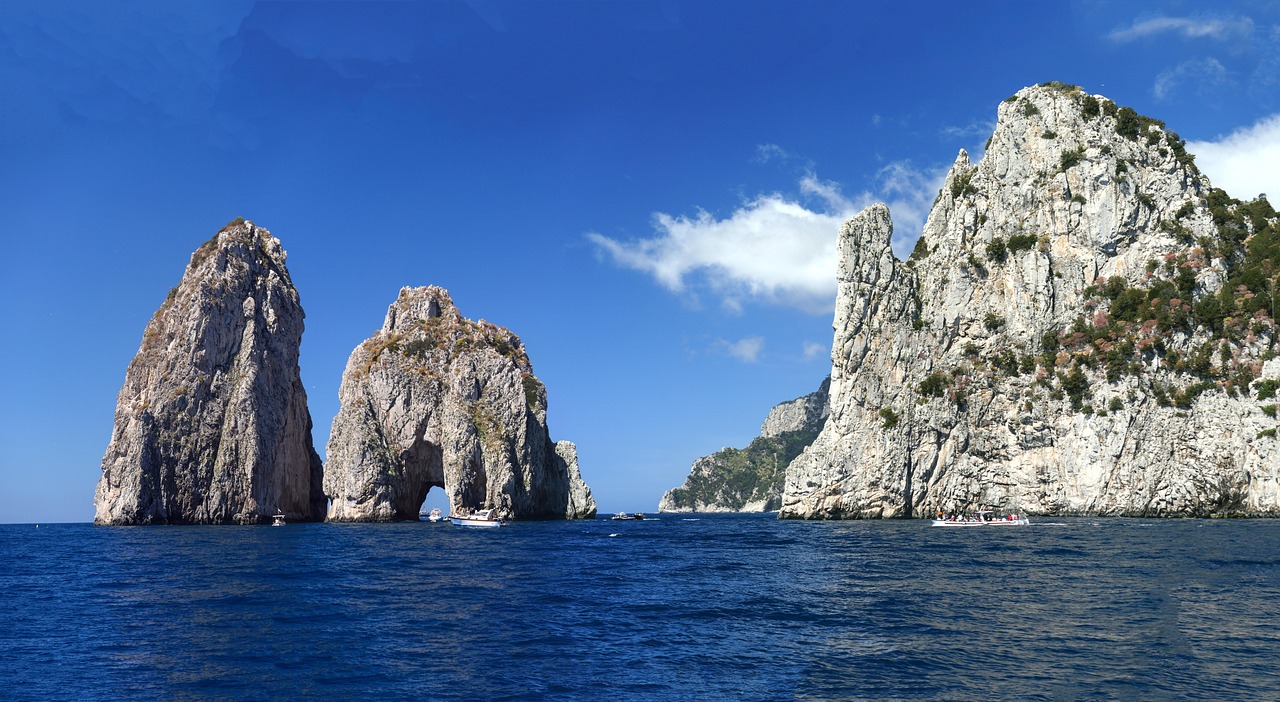
Another intriguing spot is the Faraglioni, a trio of towering rock formations rising from the sea. Each has its own name and legend, with the largest, Faraglione di Mezzo, housing the elusive blue lizard, a rare species endemic to the island.
Practical Visitor Information The best time to visit Capri is during the spring (April to June) and fall (September to October) when the weather is pleasant, and the island is less crowded. To fully immerse yourself in the local experience, consider taking a boat tour around the island, allowing you to explore hidden coves and the enchanting Blue Grotto.
When visiting, pack comfortable walking shoes as the island is best explored on foot. Don’t forget your camera, as the breathtaking vistas are endless! Engage with the locals in small cafes and shops to gain insight into their way of life and the island's traditions.
In conclusion, Capri is more than just a picturesque island; it is a treasure trove of history, art, and culture. Whether lounging by the sea, exploring its charming streets, or savoring its culinary delights, the island promises an unforgettable experience. For a tailored adventure, consider using the Secret World app to help plan your personalized itinerary through Capri.


