
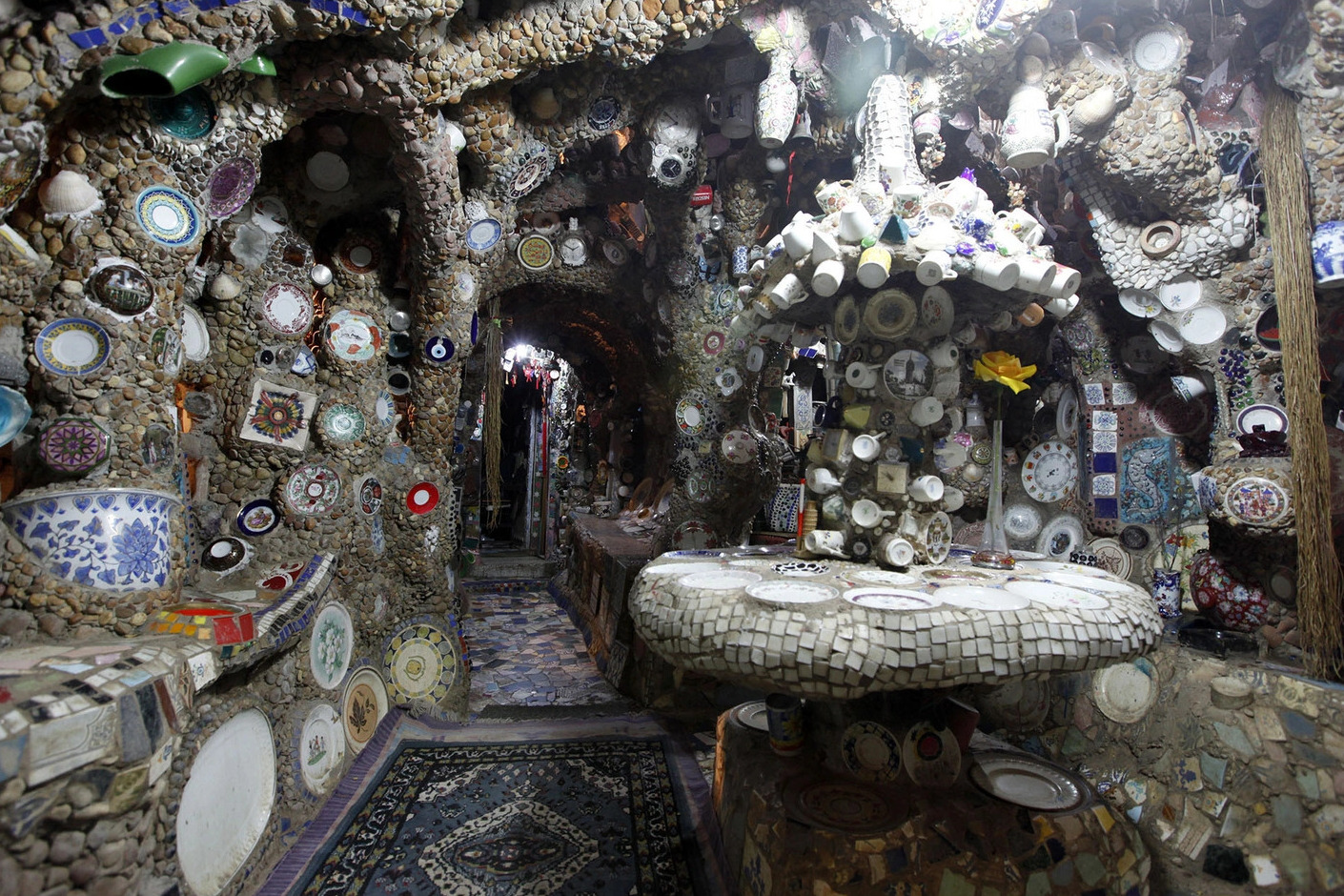

In the heart of Paraisopolis, one of São Paulo's largest slums, lies a remarkable testament to creativity and resilience: the Casa de Pedra, or House of Stone. Built by Estevao Silva da Conceicao in 2012, this extraordinary home is a vibrant expression of art and architecture, drawing comparisons to the works of famed Spanish architect Antoni Gaudí, despite Silva having never heard of him. Instead, the inspiration came from his love for nature and the materials that surrounded him in his community.
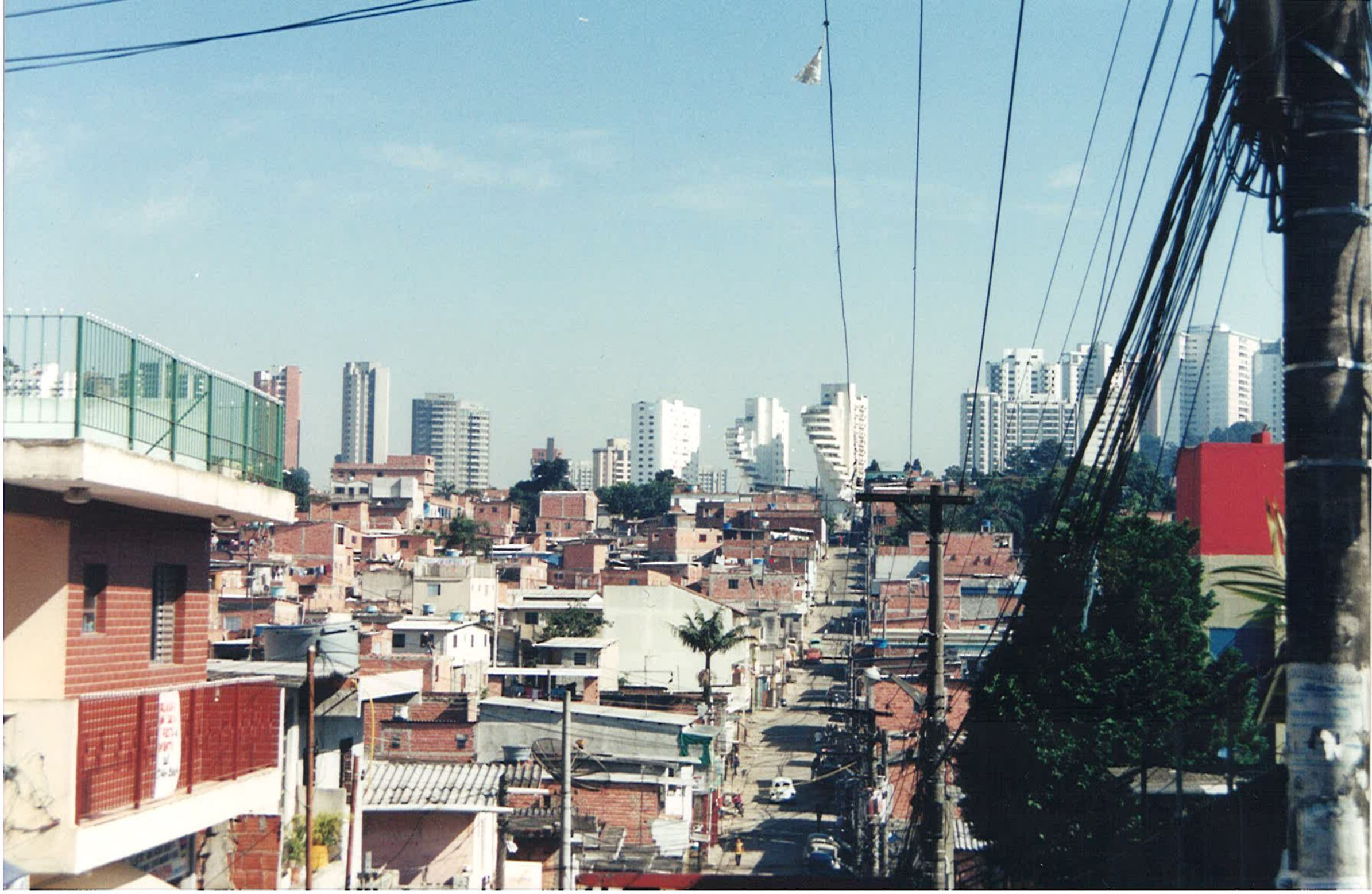
History and Origins The Paraisopolis slum itself has a rich history, emerging in the 1940s when it was first inhabited by migrants seeking work in São Paulo’s burgeoning industrial landscape. Over the decades, the neighborhood has transformed, facing economic challenges yet becoming a vibrant cultural hub. As one of the largest favelas in São Paulo, it reflects the struggles and resilience of its residents. Estevao, a self-taught gardener and craftsman, embodies this spirit, as he poured his heart and soul into building his home amidst the urban chaos.
Art and Architecture The architectural style of the Casa de Pedra is a striking amalgamation of whimsy and innovation. Estevao has utilized discarded materials—broken glass, ceramic tiles, and stones—to create a mosaic-like exterior filled with vibrant colors and intricate patterns. His work is often compared to that of Gaudí due to the organic shapes and playful forms, yet it stands uniquely as a representation of Brazilian creativity. Inside, the house is adorned with plants and natural elements, creating a sanctuary that feels both alive and inviting. Visitors often find themselves enchanted by the flowing architecture and the stories that each piece of material tells.
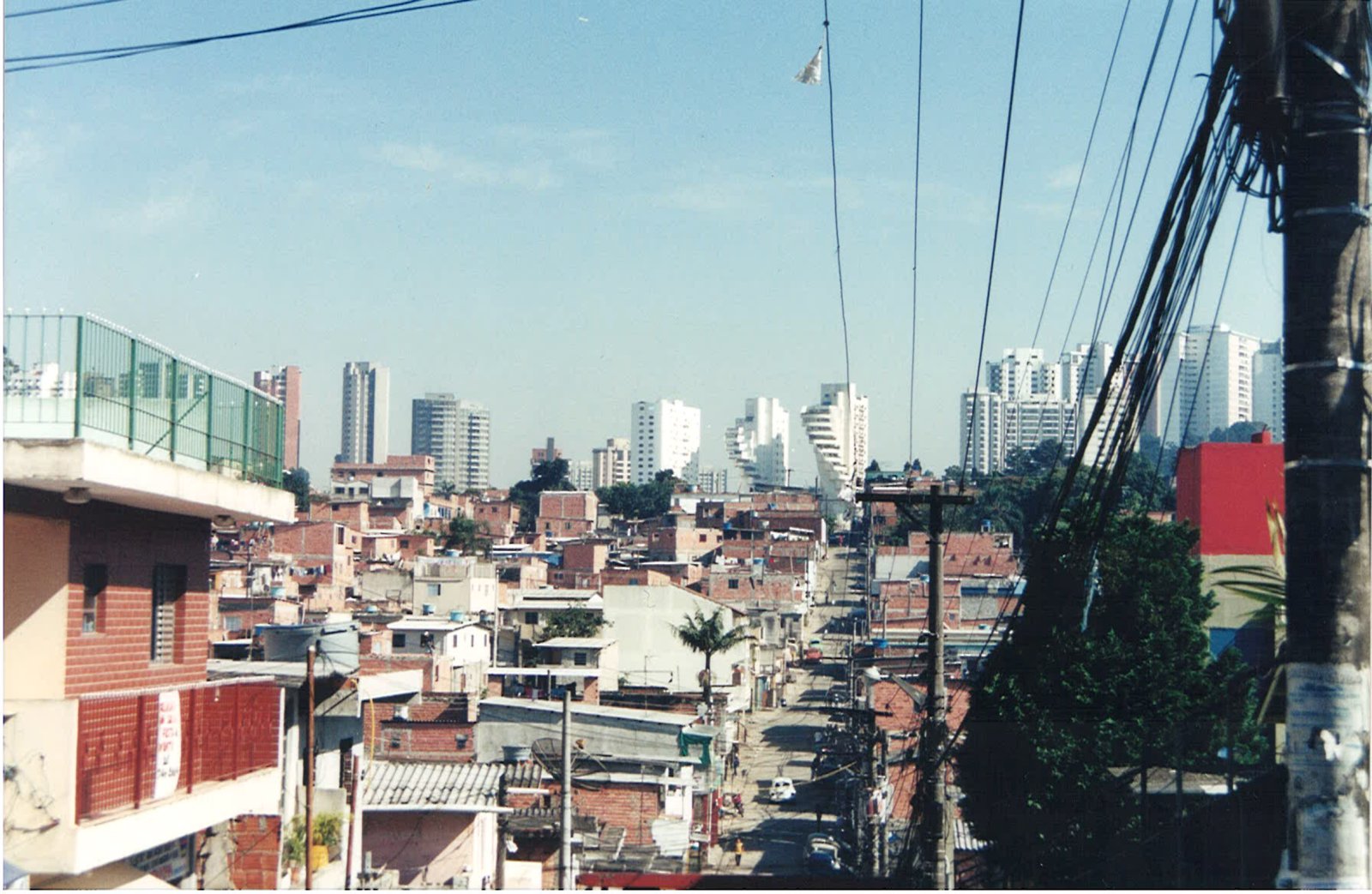
Local Culture and Traditions The culture of Paraisopolis is as rich as its history. The community celebrates various festivals throughout the year, including the Festa de São João, which occurs in June. This festival is packed with traditional music, dance, and food, showcasing the vibrant spirit of the residents. Additionally, community artworks and murals can be seen throughout the slum, reflecting local stories and pride. Estevao’s home is not just a structure but a part of this cultural tapestry, serving as an inspiration for local artists and craftsmen.
Gastronomy Gastronomy in Paraisopolis is a delightful journey into the heart of Brazilian flavors. Traditional dishes such as feijoada (a hearty black bean stew with pork) and pão de queijo (cheese bread) can be found in local eateries. Street vendors offer an array of snacks like pastéis (fried pastries) and coxinhas (chicken croquettes), perfect for a quick bite while exploring the area. For drinks, caipirinha, Brazil's iconic cocktail made from cachaça, lime, and sugar, is a must-try. Enjoying these local delicacies gives visitors a taste of the rich culinary heritage that accompanies the vibrant life in the slum.
Lesser-known Curiosities While many are drawn to the striking architecture of Casa de Pedra, few are aware of its backstory. Estevao Silva da Conceicao, who started as a gardener, used his knowledge of plants to create a lush oasis around his home. His secret garden, filled with native Brazilian flora, serves both as a refuge and a testament to sustainable living. Furthermore, the house often hosts workshops for local children, teaching them about gardening and recycling, fostering a sense of community and environmental awareness that extends beyond its walls.
Practical Visitor Information The best time to visit Casa de Pedra is during the dry season from May to September, when temperatures are mild, making explorations more enjoyable. Visitors should take guided tours to appreciate the nuances of the architecture and the history of Paraisopolis fully. Engaging with local residents and participating in community events can enrich the experience. Additionally, it’s advisable to travel with a local guide familiar with the area, ensuring a safe and informative visit.
As you plan your journey to this extraordinary site, consider using the Secret World app to create a personalized itinerary tailored to your interests and preferences. Discovering the Casa de Pedra will undoubtedly leave you with a lasting impression of resilience and creativity.


