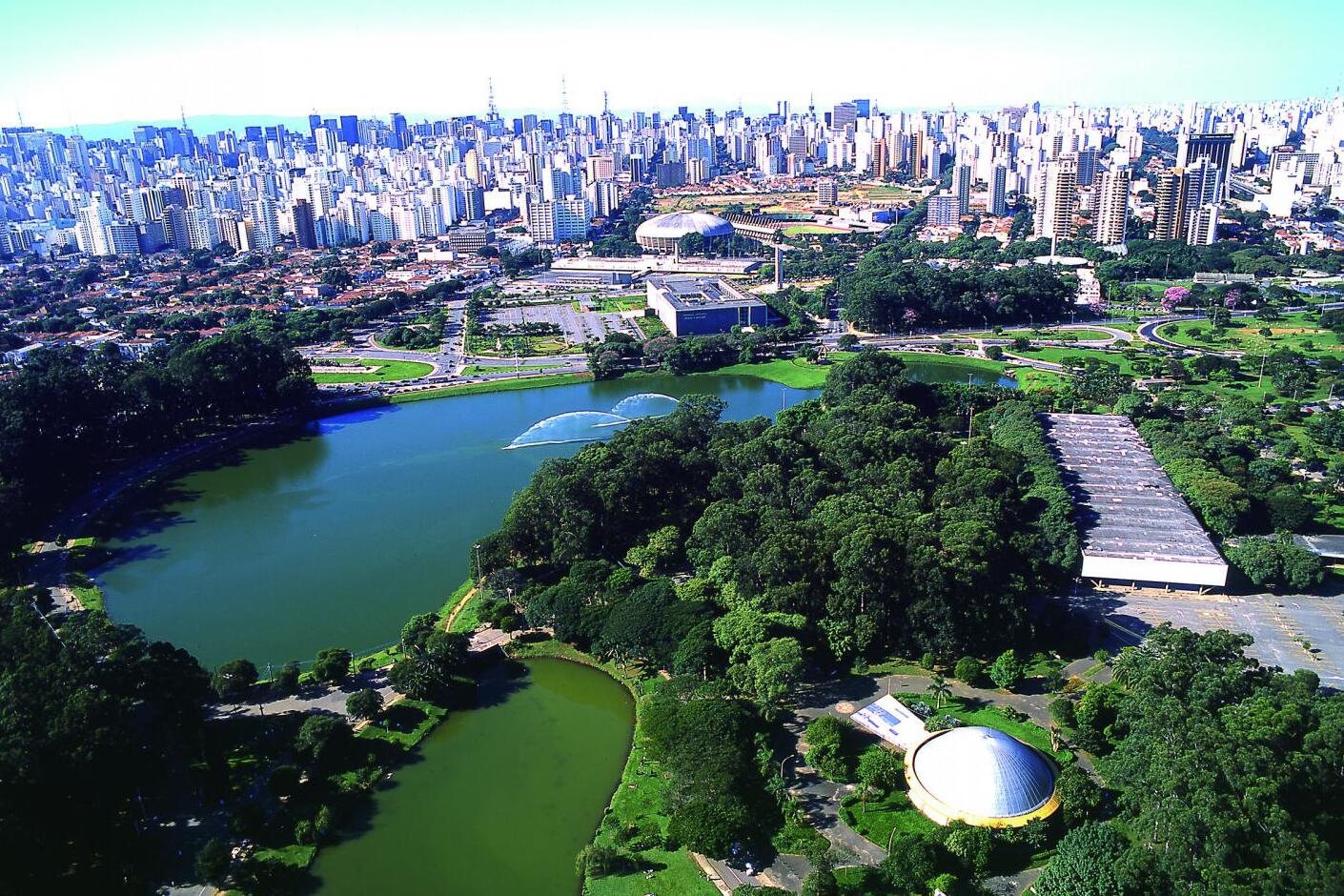

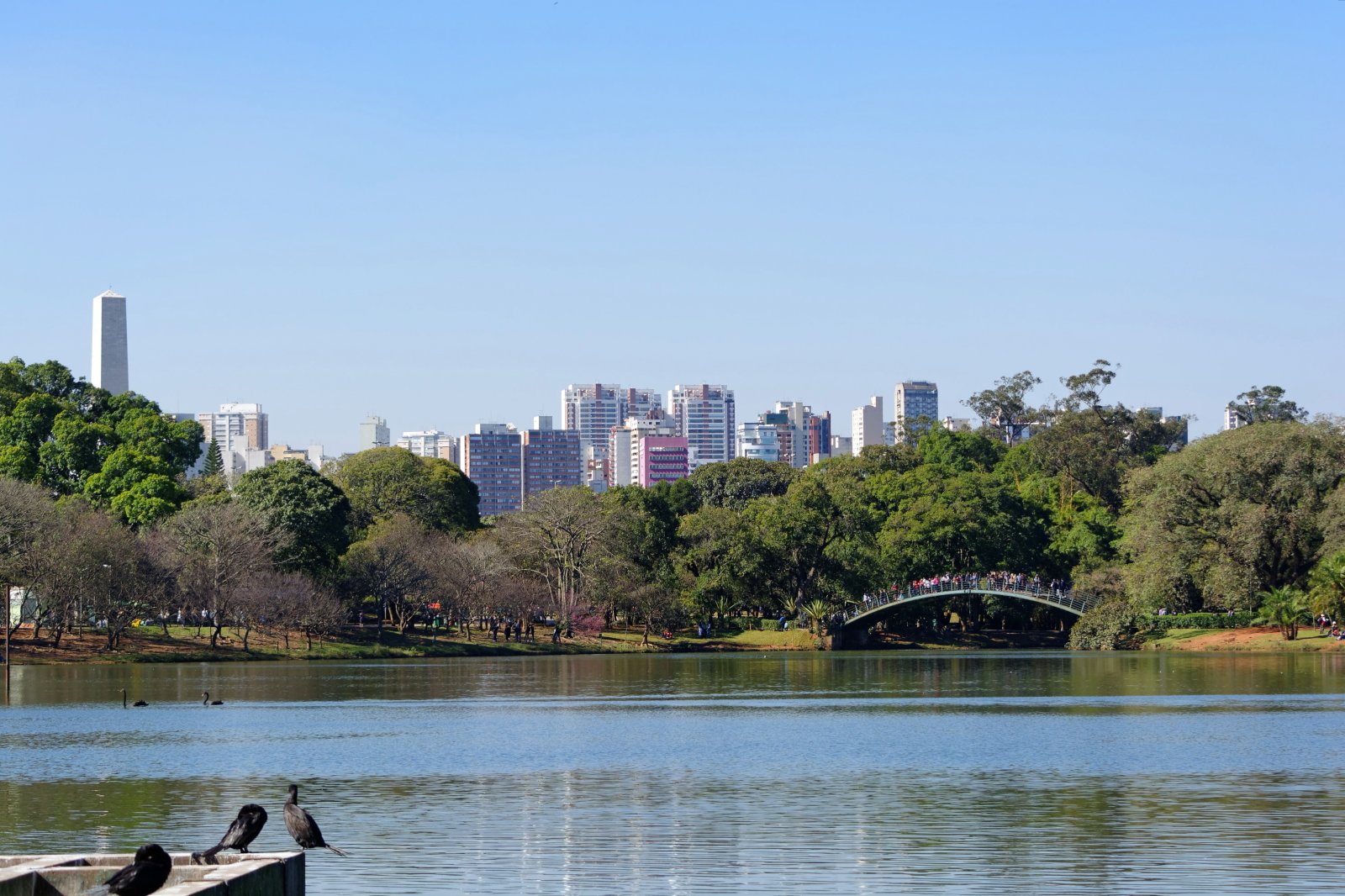
Amidst the bustling streets of São Paulo, Ibirapuera Park offers a verdant oasis that harmoniously blends nature, art, and culture. This sprawling park, often compared to London's Hyde Park, beckons visitors with its tranquil lakes, towering trees, and vibrant community of joggers and cyclists. It is a sanctuary that invites both relaxation and exploration, embodying the spirit of a city that never sleeps.
### History and Origins
The origins of Ibirapuera Park date back to the early 20th century, when the park was designed to commemorate the 400th anniversary of the city of São Paulo in 1954. The visionary behind its creation was Roberto Burle Marx, a renowned landscape architect who infused the design with a modernist flair and a deep appreciation for Brazilian flora. The park's name, "Ibirapuera," derives from the Tupi language, meaning "the place of the many trees," a fitting description for this lush expanse.
Historically, the area has roots that trace back centuries, with evidence of indigenous communities inhabiting the land long before colonization. Over time, the park has transformed into a crucial cultural and recreational hub, playing host to numerous events, including the São Paulo Bienal, an international art exhibition that showcases contemporary works and attracts artists and enthusiasts from around the globe.
### Art and Architecture
The architectural landscape of Ibirapuera Park is a testament to the brilliance of Oscar Niemeyer, Brazil's most celebrated modernist architect. His distinct style, characterized by sweeping curves and bold forms, is evident in several key structures within the park, including the Auditorium Ibirapuera and the Museum of Modern Art. Each pavilion is not just a building; they are artistic statements that harmonize with the natural surroundings.
One of the park's highlights is the Bienal Pavilion, which serves as the venue for the São Paulo Bienal. The pavilion itself is an architectural marvel, with its expansive glass façade allowing natural light to pour in, creating an inviting atmosphere for art lovers. The museum collections feature prominent Brazilian artists such as Tarsila do Amaral and Di Cavalcanti, alongside thought-provoking temporary exhibitions that challenge the status quo.
### Local Culture and Traditions
Ibirapuera Park is more than just a gathering place; it is a vibrant canvas of São Paulo's cultural identity. Locals flock to the park for various activities, from yoga classes to spontaneous drum circles, reflecting the city’s diverse population. The park frequently hosts cultural events, concerts, and festivals, including the Virada Cultural, a 24-hour cultural marathon celebrating music, theater, and dance.
The park’s layout encourages community interaction, with spaces designed for picnics, family gatherings, and artistic performances. On weekends, visitors can witness traditional capoeira performances, a Brazilian martial art that combines elements of dance and acrobatics, emphasizing the cultural fusion that defines São Paulo.
### Gastronomy
While Ibirapuera Park itself does not boast a plethora of dining options, it serves as a gateway to some of São Paulo's culinary delights. Local food vendors often set up stalls, offering tasty treats such as pastéis (savory pastries), açaí bowls, and the iconic pão de queijo (cheese bread). For those looking to indulge in a more substantial meal, nearby eateries serve classic Brazilian fare, including feijoada, a hearty black bean stew, and brigadeiros, sweet chocolate truffles that are a national favorite.
The park's lush surroundings also inspire local cafés to offer outdoor seating, where visitors can sip on a strong cafézinho (Brazilian coffee) while soaking in the vibrant atmosphere.
### Lesser-Known Curiosities
Ibirapuera Park is full of hidden gems that many tourists overlook. One notable feature is the Japanese Pavilion, a serene space that reflects the cultural ties between Brazil and Japan. This pavilion hosts art exhibitions and cultural events, showcasing the rich heritage of the Japanese community in São Paulo.
Another intriguing aspect is the Planetarium located within the park, one of the few in Brazil. It offers educational programs and shows that explore celestial wonders, making it a perfect stop for families and astronomy enthusiasts.
### Practical Visitor Information
The best time to visit Ibirapuera Park is during the dry season, from April to September, when the weather is pleasantly mild, ideal for outdoor activities. Early mornings or late afternoons provide the perfect light for photography and a peaceful atmosphere to enjoy nature.
To fully experience the park, consider renting a bicycle, which allows you to explore its extensive pathways and discover hidden corners. Don’t forget to visit the various museums and pavilions, and check the local events calendar for live performances and exhibitions.
Whether you are seeking a serene escape or a cultural immersion, Ibirapuera Park promises an enriching experience that captures the essence of São Paulo's dynamic spirit.
For a tailored adventure in this urban oasis, consider using the Secret World app to plan your personalized itinerary.
