
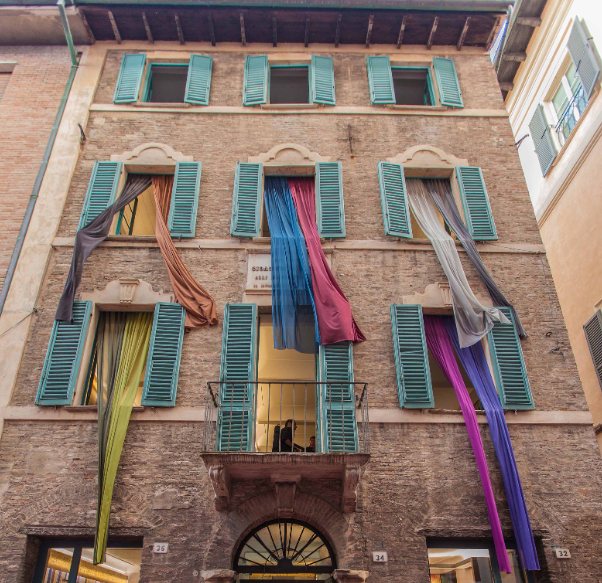

Nestled in the heart of Pesaro, the Casa natale di Gioachino Rossini stands as a tribute to one of Italy’s greatest composers. Born on February 29, 1792, in this modest house, Gioachino Rossini would go on to revolutionize the world of opera with masterpieces such as *The Barber of Seville* and *William Tell*. The significance of his birthplace resonates through the town, where his influence is felt in its culture and celebrations.
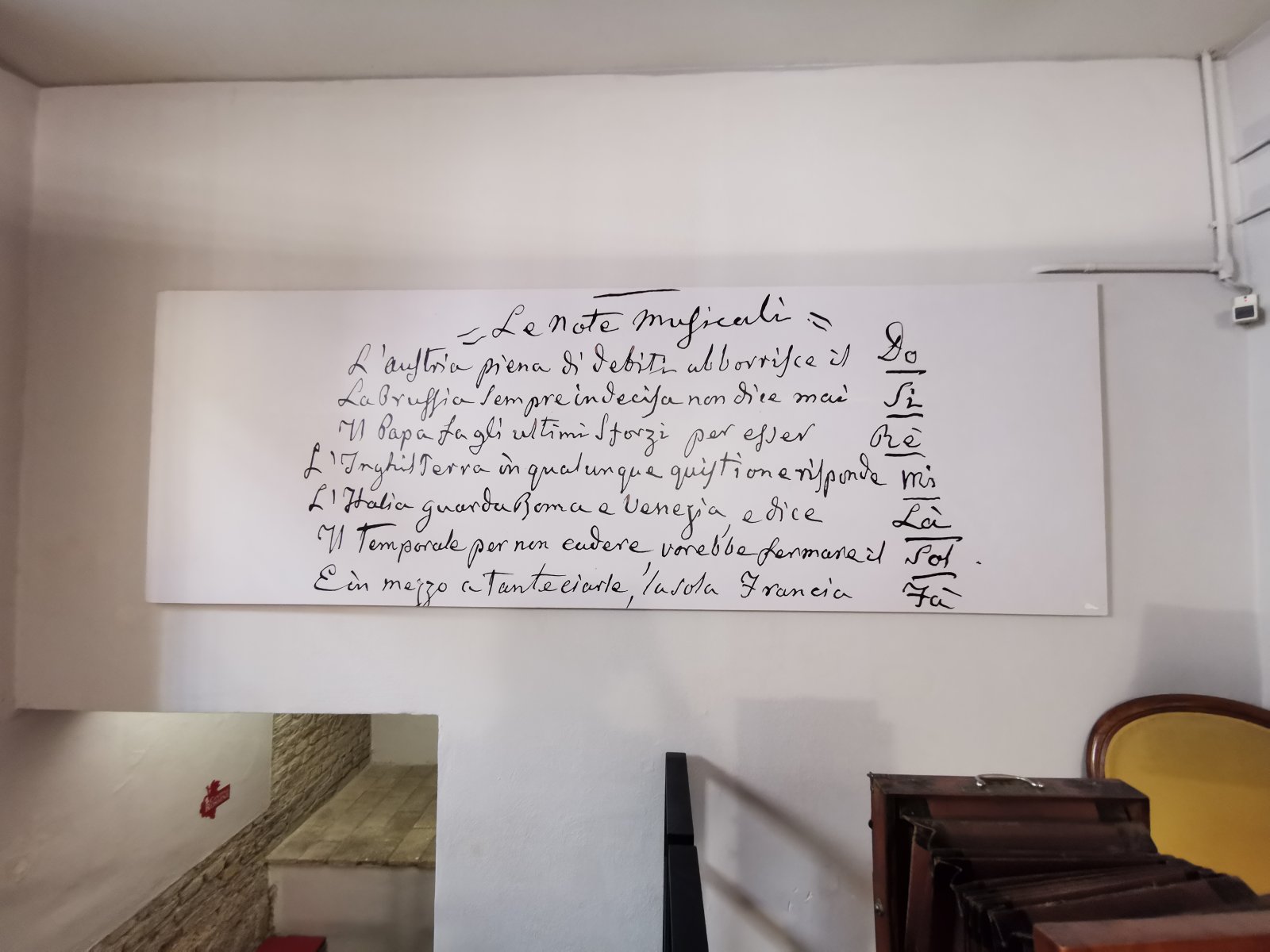
The Casa natale di Gioachino Rossini was originally part of a vibrant community in Pesaro, which has roots dating back to the Roman Empire. The house itself, a typical example of 19th-century Italian architecture, features a façade adorned with elegant windows and a balcony, reflecting the era’s aesthetic sensibilities. Over the years, it has been transformed into a museum that preserves and showcases various artifacts related to Rossini’s life and work.
Inside the museum, visitors can explore a collection of personal letters, scores, and period furniture that provide a glimpse into the domestic life of the composer. Among the notable pieces is the original manuscript of his celebrated opera *The Barber of Seville*, which showcases Rossini's genius and creativity. The interior is not only a historical archive but also a celebration of the rich musical heritage that Pesaro proudly claims.

The local culture of Pesaro is deeply intertwined with Rossini's legacy. Every year, the city hosts the Rossini Opera Festival, a prestigious event that attracts opera lovers from around the globe. This festival, which began in 1980, features performances of Rossini's operas and serves as a reminder of his lasting impact on the world of music. Besides the festival, Pesaro also celebrates Gioachino Rossini Day on February 29, an occasion filled with concerts, exhibitions, and community events that honor the composer’s birthday.
Gastronomically, Pesaro offers a delightful medley of flavors, heavily influenced by the Marche region's agricultural bounty. Local specialties include brodetto, a traditional fish stew that reflects the town’s coastal heritage, and crescia, a savory flatbread that pairs beautifully with cured meats and cheeses. For dessert, don’t miss the chance to indulge in ciambella, a sweet ring-shaped cake often enjoyed during festivities. These culinary delights can be savored in many local trattorias, where the warm hospitality of Pesaro’s residents is as inviting as the food.
Interestingly, many visitors may not know that Rossini was also an accomplished chef, who had a passion for gastronomy that paralleled his musical career. He even penned a cookbook, *Il viaggio a Reims*, which illustrates his love for food and its connection to Italian culture. This unique aspect of his personality adds a layer of depth to his already fascinating legacy.
As a visitor, the Casa natale di Gioachino Rossini is best experienced during the summer months, particularly during the Rossini Opera Festival when the town comes alive with musical performances and celebrations. To make the most of your visit, consider exploring the surrounding streets of Pesaro, where quaint shops and café terraces invite you to linger and soak in the atmosphere.
For those planning a visit, it's recommended to check the museum's schedule for special exhibitions or guided tours that can enhance your experience. Don’t forget to look for the nearby Teatro Rossini, a historic venue that often showcases performances of Rossini’s works.
In summary, the Casa natale di Gioachino Rossini is not merely a museum; it is a gateway into the life and times of a musical genius whose legacy continues to resonate. The intertwining of history, culture, and gastronomy makes Pesaro a captivating destination for any traveler seeking a deeper understanding of Italian heritage. To truly appreciate the nuances of this charming city, consider using the Secret World app to craft a personalized itinerary that captures the essence of Pesaro.


