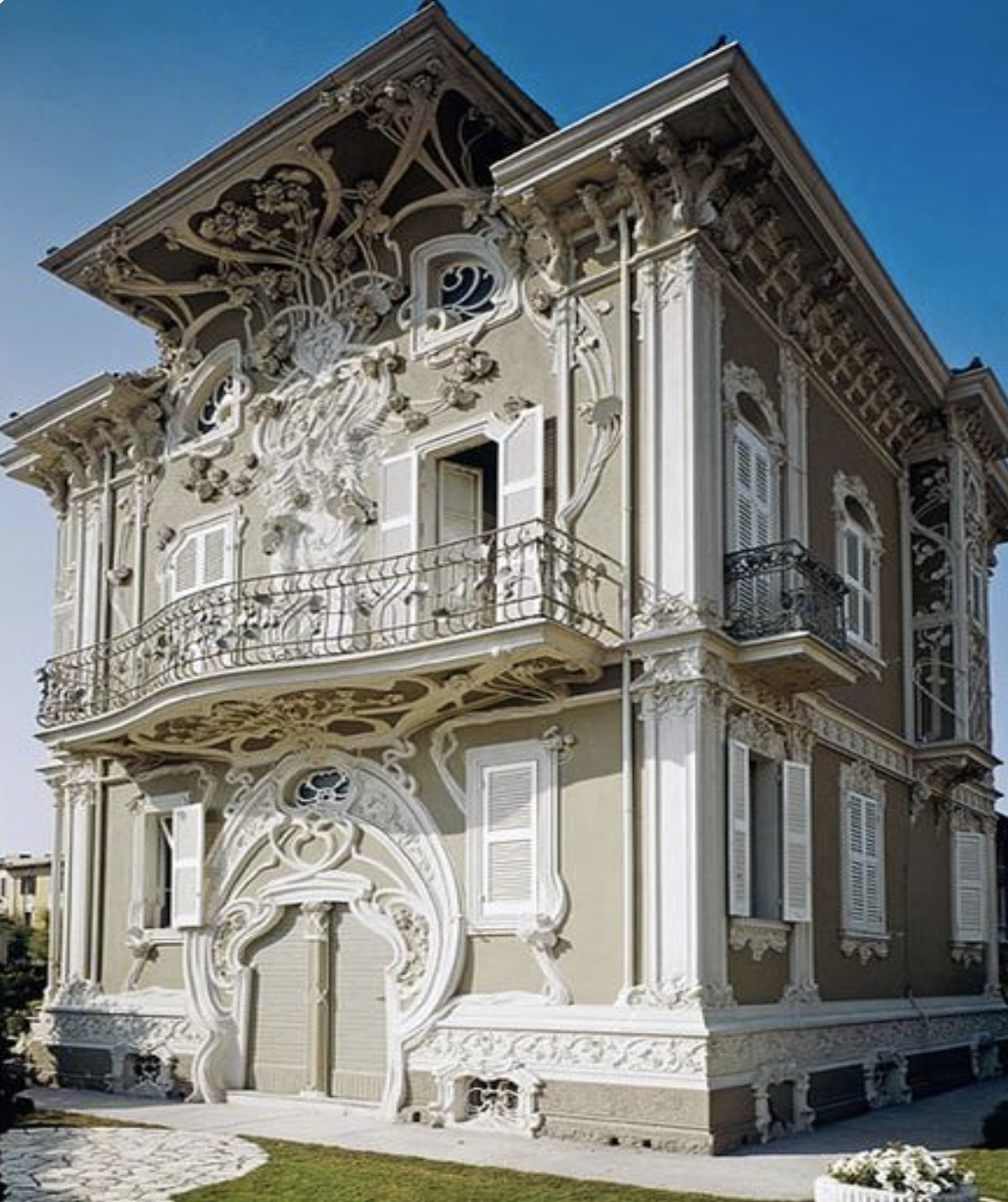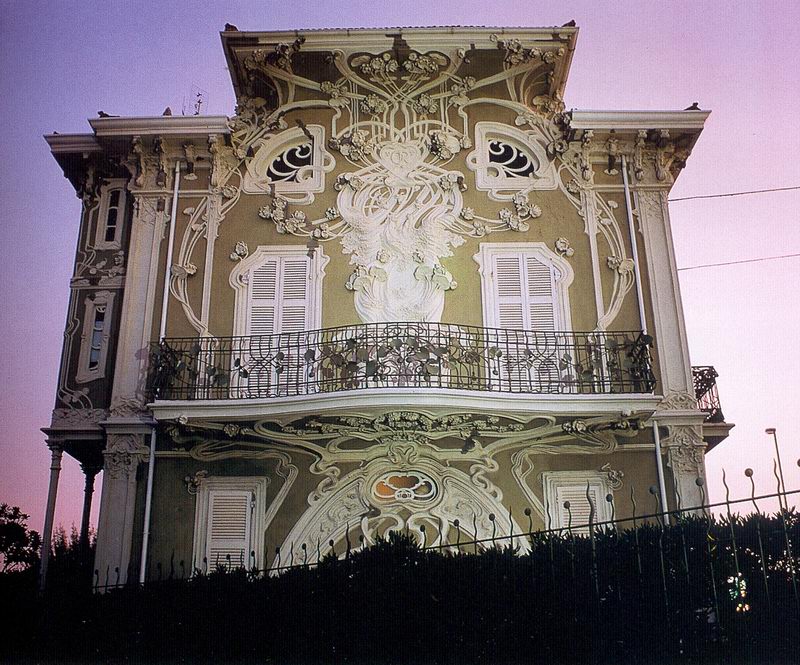
Nestled in the heart of Pesaro, Villino Ruggeri stands as one of Italy's most exquisite examples of the Liberty style. Designed between 1902 and 1907 by the visionary architect Giuseppe Brega, this architectural marvel emerged from the vibrant imagination of its patron, Oreste Ruggeri, a pharmaceutical industrialist captivated by the elegance of French Art Nouveau. The building’s elaborate façade, adorned with floral motifs and sinuous lines, reflects the artistic exuberance of the period, making it a must-visit for architecture enthusiasts and casual visitors alike.
### History and Origins The origins of Villino Ruggeri can be traced back to the late 19th century when Pesaro was experiencing a cultural and economic renaissance. Established by the Malatesta family in the 13th century, the city has a rich history that includes being a significant maritime power and a hub for the arts. By the time Ruggeri commissioned Brega, the city was blossoming with new ideas and styles, mirroring broader trends across Europe.
After its completion in 1907, Villino Ruggeri became a symbol of prosperity and artistic expression in Pesaro. Its unique design caught the attention of both locals and visitors. Over the years, the building has witnessed various historical events, including the rise of Italian Fascism, which profoundly impacted architectural trends, steering them away from avant-garde styles like Liberty.
### Art and Architecture Villino Ruggeri is a stunning example of Liberty architecture, characterized by its organic forms and decorative elements inspired by nature. The building features a whimsical façade with intricate wrought-iron balconies and asymmetric windows that evoke a sense of fluidity. The vibrant frescoes and tile work inside reveal the artistic collaboration between Brega and local artisans, showcasing the exceptional craftsmanship of the time.
Among the most striking elements is the entrance, framed by lush floral motifs that seem to spring from the walls. Each detail tells a story, representing the ideals of beauty and harmony that defined the Art Nouveau movement. As you stroll through the building, you'll notice how the architecture interacts with light, creating a warm and inviting atmosphere.
### Local Culture and Traditions Pesaro is not only known for its architectural splendor but also for its rich cultural tapestry. The Rossini Opera Festival, held annually in August, pays homage to the city’s most famous son, composer Gioachino Rossini, who was born here in 1792. The festival attracts opera lovers from around the world, showcasing both classic and contemporary interpretations of Rossini's works.
Local customs are deeply rooted in the city's history, with numerous festivals celebrating traditional crafts, music, and cuisine. The Festa della Madonna della Misericordia, celebrated in September, features colorful processions and local delicacies, fostering a sense of community and cultural pride.
### Gastronomy No visit to Pesaro is complete without indulging in its culinary delights. The region is renowned for its seafood, particularly brodetto, a hearty fish stew made with a variety of fresh catch. Pair this with a glass of Verdicchio, a white wine that complements the local flavors beautifully. Another must-try is crescia, a type of flatbread often filled with cheese and vegetables, perfect for a quick snack or a light meal.
Don’t miss out on ciambella, a traditional sweet bread that locals enjoy during festivities. The rich flavors of Pesaro's cuisine reflect its coastal heritage, and you'll find many charming trattorias scattered throughout the city, each offering a unique taste of the region.
### Lesser-Known Curiosities While Villino Ruggeri is a highlight, many visitors overlook the small details that enrich the experience. For instance, the building is often referred to as the “House of Flowers” due to its floral decorations. Additionally, the lush gardens surrounding the villa once served as a backdrop for social gatherings of the city's elite.
Another hidden gem is the Museo Nazionale Rossini, located nearby, which houses rare manuscripts and memorabilia related to Rossini's life and work. This museum offers a deeper understanding of the cultural context in which Villino Ruggeri was built, linking the architectural beauty of the villa to the rich artistic legacy of Pesaro.
### Practical Visitor Information The best time to visit Villino Ruggeri is during the spring and early autumn months (April to June and September to October) when the weather is mild and the gardens are in full bloom. Be sure to check local schedules as some areas may require advanced reservations for guided tours.
When exploring the villa, take your time to appreciate the intricate details and immerse yourself in the artistic atmosphere. Photography is allowed, so don’t forget your camera to capture the beauty of this architectural gem.
For a personalized exploration of Pesaro and its hidden treasures, consider planning your itinerary with the Secret World app to discover more local gems and experiences.
Villino Ruggeri is a testament to the artistic spirit of its time, inviting all who visit to appreciate the harmony between nature and architecture.