
← Back

Castelfidardo and the accordion

60022 Castelfidardo AN, Italia ★★★★☆ 474 views
Ana Morales
Castelfidardo
🏆 AI Trip Planner 2026

Get the free app

Discover the best of Castelfidardo with Secret World — the AI trip planner with 1M+ destinations. Get personalized itineraries, hidden gems and local tips. Free on iOS & Android.

🧠 AI Itineraries 🎒 Trip Toolkit 🎮 KnowWhere Game 🎧 Audio Guides 📹 Videos
Download on the App Store Get it on Google Play
Scan to download Scan to download

About Castelfidardo and the accordion

Castelfidardo and the accordion - Castelfidardo | Secret World Trip Planner

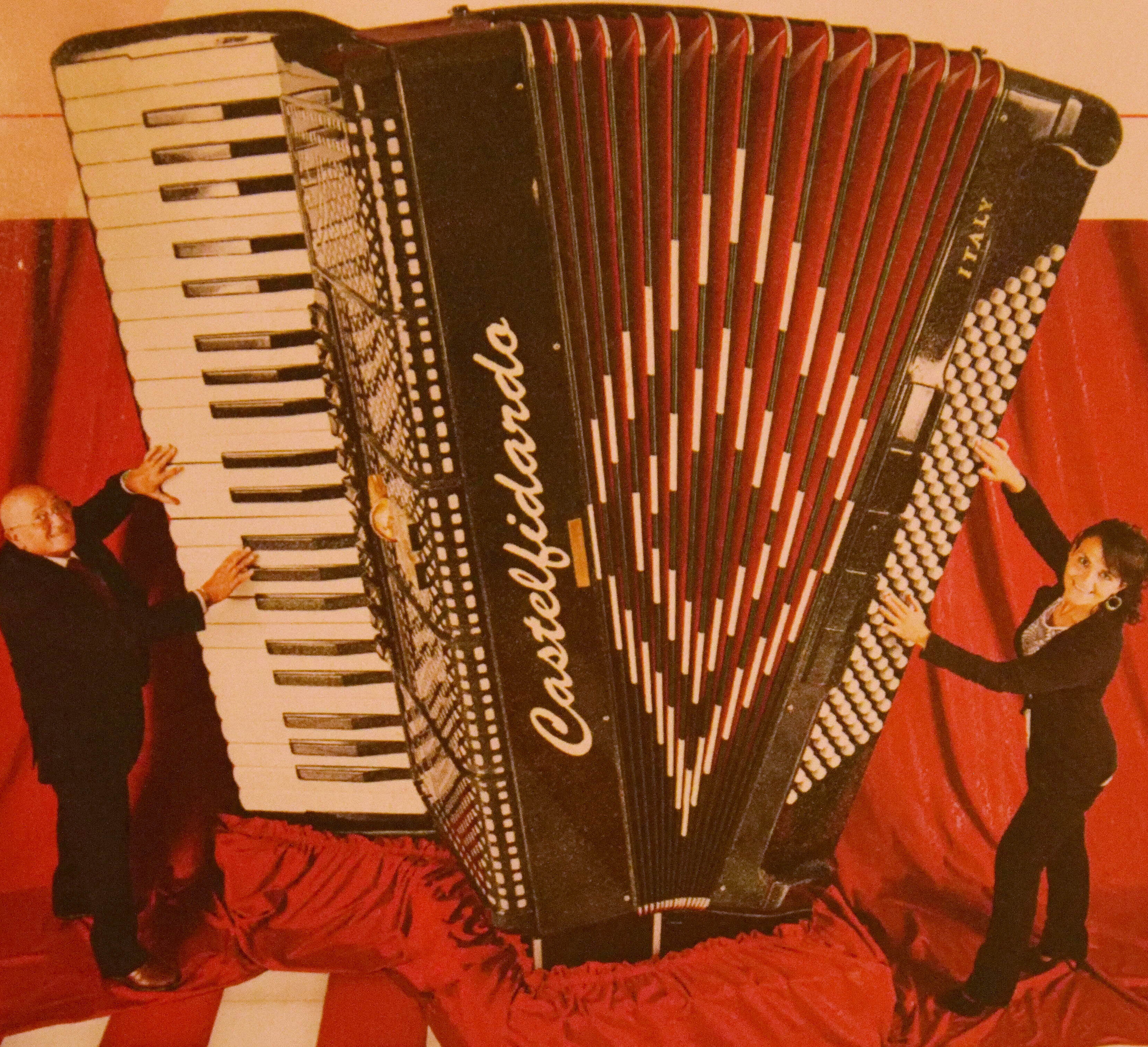
If China has been recognized as the home of the ancestor of the accordion, the ancient "tcheng" dating back 4,500 years, Italy is the home of the instrument as we know it today. Although the accordion's patent was filed in 1829 by Cyrill Demian in Vienna, it was in our country that the instrument, also known as the accordion, experienced its greatest period of evolution when, in Castelfidardo, in the province of Ancona, Paolo Soprani realized its potential by adapting it to the tastes and musical styles of the area and the period. The Italian history of the accordion began in 1863 in Castelfidardo, in the province of Ancona, thanks to the extraordinary ingenuity of Paolo Soprani, considered the father of this instrument in Italy. Mr. Soprani was 18 years old when he built the first accordion with four makeshift tools. In the stable and barn of the farmhouse where the Soprani family lived, he opened a workshop. The first harmonicas were sold at fairs and markets in the nearby towns, especially in Loreto, a meeting place for pilgrims, gypsies, peddlers and traders, directly by the enterprising Paolo. The instrument is received with great interest and spreads to other regions and requests multiply. Due to the need for space, Paolo breaks away from the family group, goes up to the town of Castelfidardo and opens a factory, while his brother Pasquale moves to Recanati. Paolo Soprani, with his work, contributed to the cultural transformation of this area of the Marche region, creating an unthinkable wealth for an economy that had remained tied to agriculture for centuries. Today, accordions are still made as they were 150 years ago, a little by machine and a lot by hand. The important department is the carpentry. This is where the sound box is created, in practice the final dimensions of the instrument are defined. Three or four main woods are used in accordions: mahogany, beech and fir. Each raw case is verified by hand. The soundboxes are two: in one is inserted the keyboard and in the other the bass buttons (the so-called mechanics). The preparation of the fingerboard is a complex and meticulous operation. But the heart of the accordion is the bellows, which is operated by the player to introduce the air needed to make the reeds vibrate and produce sound. In essence, everything is a painstaking job: four to five hours of continuous assembly and disassembly, dealing with small and highly precise mechanisms. Each instrument is a unique piece, an authentic masterpiece, unmistakable, unalterable, that conquers the most prestigious musicians.Located in the basement of the town hall, in evocative seventeenth-century rooms, is the International Museum of the Accordion, the musical instrument that has had in the city of Castelfidardo, for over a century, the major center of production. The collection is made up of about 350 specimens, all different from each other.

Castelfidardo and the accordion - Castelfidardo | Secret World Trip Planner
🗺 AI Trip Planner

Plan your visit to Castelfidardo

Suggested itinerary near Castelfidardo and the accordion

MAJ+
500.000+ travelers worldwide
  1. 🌅
    Morning
    Castelfidardo and the accordion
    📍 Castelfidardo
  2. ☀️
    Afternoon
    Museum of the Risorgimento of Castelfidardo
    📍 0.5 km · Castelfidardo
  3. 🌆
    Evening
    Loreto | Italian crib capital
    📍 5.1 km · Castelfidardo

Buy Unique Travel Experiences

Powered by Viator

See more on Viator.com

Explore nearby · Castelfidardo

Frequently Asked Questions

Paolo Soprani, at just 18 years old, built the first accordion in 1863 in Castelfidardo, Ancona, making him the father of the accordion in Italy. Although the accordion's patent was filed in Vienna in 1829, it was Soprani who adapted and perfected the instrument to suit Italian musical tastes, launching it into its greatest period of evolution.
Soprani initially built harmonicas in a stable and barn on his family's farmhouse, selling them directly at fairs and markets in nearby towns like Loreto. As demand multiplied across regions, he relocated to Castelfidardo and opened a factory, while his brother Pasquale expanded operations to Recanati, transforming the local economy from agriculture-based to manufacturing.
Accordions are still handcrafted today using methods from 150 years ago, combining some machine work with extensive hand labor. The carpentry department is crucial, where the soundbox is created using three or four main woods including mahogany, beech, and fir, with each raw case verified by hand to ensure quality.
Loreto was a key market for Paolo Soprani's early accordions because it was a major meeting place for pilgrims, gypsies, peddlers, and traders in the region. The diverse crowds at this pilgrimage destination helped spread the accordion's popularity to other areas, multiplying demand for the instrument.
The accordion industry created unprecedented wealth and cultural transformation in Castelfidardo and the Marche region, fundamentally shifting the area's economy from centuries of agricultural dependence to manufacturing and craftsmanship. Paolo Soprani's innovation and business success revolutionized the local development and prosperity of the area.
