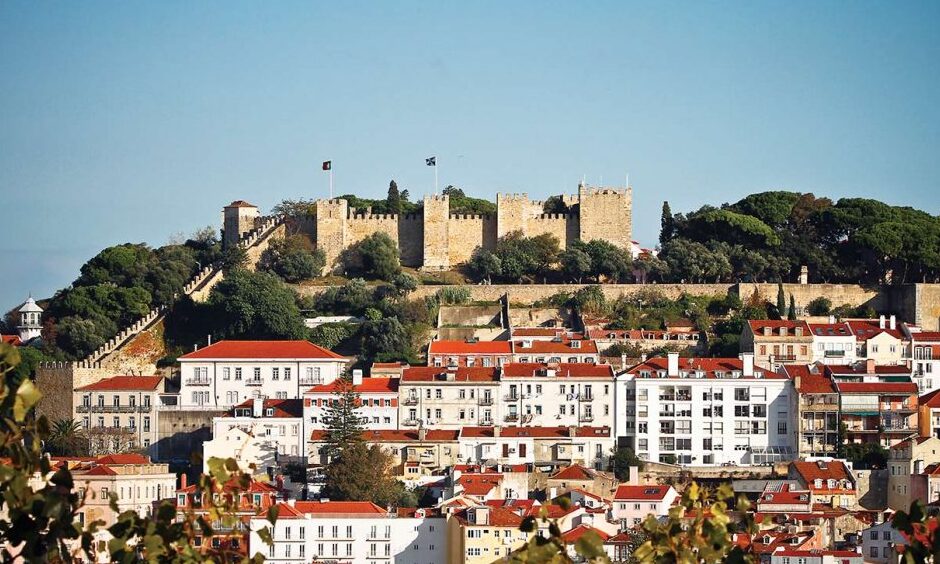


Perched atop the Alfama district, São Jorge Castle is a captivating emblem of Lisbon’s rich tapestry of history. As you ascend towards this majestic fortress, you are not merely climbing a hill; you are embarking on a journey through centuries, where each step unveils layers of the past.
### History and Origins
The origins of São Jorge Castle trace back to the Visigoths, who first constructed a fortification in the 5th century. However, it was during the Moorish occupation in the 9th century that the castle underwent significant fortification. The Moors expanded the fort with a formidable wall stretching about 2 kilometers, complemented by ten imposing towers that served both defensive and symbolic purposes.
A pivotal moment in the castle’s history occurred in 1147, when Afonso I of Portugal—also known as Afonso Henriques—led the Crusaders to conquer it during the Reconquista. Following this, the castle became a royal residence, serving as a crucial seat of power until the late 15th century. The castle’s resilience is notable; unlike much of Lisbon, which was devastated by the catastrophic earthquake of 1755, the walls of São Jorge stood firm, safeguarding the vibrant Alfama district around it.
### Art and Architecture
Architecturally, São Jorge Castle is a fascinating blend of Moorish and Romanesque influences. The remaining structures echo the elaborate craftsmanship of the past, with remnants of the original walls and towers that offer a glimpse into its storied grandeur. The main keep, where royal ceremonies were once held, showcases the sophisticated design that characterized medieval military architecture.
Visitors can wander through the castle grounds and admire the panoramic views of the cityscape, the Tagus River, and beyond. The castle’s gardens, adorned with lush greenery and blooming flowers, provide a serene backdrop that contrasts with the robust stone structures. While much of the castle is in ruins, the surviving elements tell a story of resilience and adaptation over centuries.
### Local Culture and Traditions
The Alfama district, where São Jorge Castle resides, is a cradle of Lisbon’s cultural life. The narrow streets are alive with the sounds of Fado, a traditional music genre that conveys deep emotions of longing and nostalgia. Festivals such as the Feira de Santo António, held in June, celebrate the patron saint of Lisbon, transforming the area into a vibrant spectacle of music, dance, and culinary delights.
The castle itself often hosts cultural events, including open-air concerts and historical reenactments, bringing to life the medieval spirit of the fortress. These events are not only a tribute to the past but also a celebration of the community's enduring traditions.
### Gastronomy
A visit to São Jorge Castle is incomplete without indulging in the local gastronomy. The nearby cafés and restaurants offer a taste of traditional Portuguese cuisine. Try the beloved bacalhau à brás, a dish made from salted cod, eggs, and onions, or savor pastéis de nata, the iconic custard tarts that have become synonymous with Lisbon. Accompany your meal with a glass of vinho verde, a fresh, light wine that perfectly complements the local flavors.
In the surrounding streets, you might stumble upon vendors selling sardinhas assadas (grilled sardines), particularly during the festive season. These culinary experiences not only tantalize the taste buds but also immerse visitors in the local culture and traditions.
### Lesser-known Curiosities
While many tourists flock to the castle for its views and history, few are aware of the hidden details that add to its charm. For instance, the castle is home to the castelo das crianças (castle of children), an area designed for younger visitors, blending education with play. Moreover, the peacocks that roam the grounds are descendants of birds once kept by the royal family, adding a touch of whimsy to the historical ambiance.
Another intriguing anecdote is the Moorish legend surrounding the castle: it is said that, on certain nights, the spirit of a Moorish princess can be seen wandering the battlements, watching over her lost kingdom.
### Practical Visitor Information
The best time to visit São Jorge Castle is during the spring and early autumn months, when the weather is pleasant and the views are particularly stunning. Aim for early morning or late afternoon to avoid crowds and bask in the golden light that casts a magical glow over Lisbon.
When you arrive, be sure to bring a camera to capture the stunning vistas and the intricate details of the castle’s architecture. Wear comfortable shoes, as the cobblestone paths can be uneven, and take your time to explore the various towers and gardens.
### In Conclusion
São Jorge Castle is more than just a historical site; it’s a living canvas of Lisbon's past, a cultural hub, and a feast for the senses. Whether you're gazing out over the breathtaking views or savoring local delicacies, every moment spent here is a step into the heart of Portugal’s rich heritage. For a personalized journey through Lisbon, consider using the Secret World app to create an itinerary tailored to your interests.