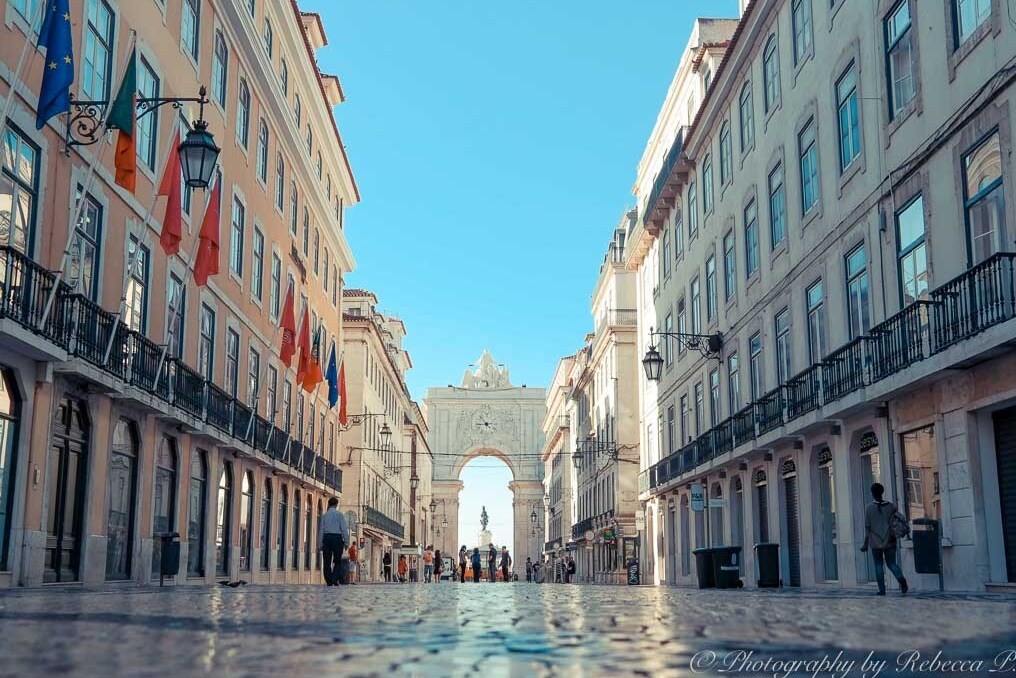

In the heart of Lisbon, Rua Augusta serves as a vibrant artery pulsing with life, history, and culture. This bustling pedestrian street, framed by the impressive Triumphal Arch, is not just a thoroughfare but a portal into the rich tapestry of the city’s past and present.
### History and Origins
Rua Augusta dates back to the Pombaline reconstruction of Lisbon after the catastrophic earthquake of 1755. The street was envisioned as a grand boulevard that would revive the commercial spirit of the city. Named after Augustus, the Roman emperor who symbolized prosperity, Rua Augusta quickly became a bustling trade route, linking the Praça do Comércio—Lisbon’s main square—to the heart of the city.
The Triumphal Arch, or Arco da Rua Augusta, was completed in 1873 and stands as a testament to the city's resilience. Designed by architects José da Costa e Silva and E. de Almeida, the arch celebrates the city's recovery and economic revival, adorned with sculptures that personify Glory, Valour, and Fame. It marks the gateway between the historic and modern worlds, inviting visitors to explore the treasures tucked within Lisbon’s cobbled streets.
### Art and Architecture
The architectural style of Rua Augusta is predominantly Pombaline, characterized by its symmetrical facades and elegant balconies that reflect the city's neoclassical influences. As you stroll along the street, you’ll notice the intricate tile work known as azulejos, which adorn many buildings, showcasing scenes from Lisbon’s storied maritime history.
Artistic significance is not limited to the architecture. The Triumphal Arch itself features reliefs by Vitor Bastos that narrate important moments in Portuguese history, including the maritime discoveries of the 15th and 16th centuries. This blend of everyday commerce and monumental art creates a unique atmosphere that captivates both locals and tourists alike.
### Local Culture and Traditions
Rua Augusta is a cultural melting pot where the essence of Lisbon comes alive. Street performers and artists often set up their acts here, from musicians strumming traditional fado to dancers showcasing vibrant cultural expressions. The street is also a hub for local artisans selling handmade crafts, reflecting the city’s rich craftsmanship traditions.
Local customs thrive in this area, particularly during festivals like Festa de Santo António in June, where the streets are adorned with colorful decorations, and the aroma of grilled sardines fills the air. This celebration of Lisbon’s patron saint is a time when the community comes together, showcasing the vibrant spirit of the city.
### Gastronomy
No visit to Rua Augusta is complete without indulging in Lisbon’s culinary delights. The street is dotted with cafes and eateries where you can savor pastéis de nata, the beloved Portuguese custard tart, often best enjoyed with a sprinkle of cinnamon and powdered sugar.
For a more savory experience, try bacalhau à brás, a traditional dish made with shredded cod, onions, and potatoes, bound together with scrambled eggs. Pair your meal with a glass of vinho verde, a refreshing young wine that perfectly complements the local fare. Don’t forget to stop by the numerous gelato shops for a sweet treat, especially during the warm summer months.
### Lesser-Known Curiosities
While many flock to the Triumphal Arch for its imposing presence, few venture to the viewing platform at the top. Here, visitors can enjoy a breathtaking panoramic view of the Piazza del Comércio and the sprawling city below—an experience often overlooked by the typical tourist crowd.
Another hidden gem is the small Fountain of the Cacilhas, located just off Rua Augusta. This charming fountain, often missed by passersby, has a fascinating history tied to the days when it served as a water source for local residents.
### Practical Visitor Information
The best time to visit Rua Augusta is during the late afternoon when the street comes alive with activity. The golden hour casts a warm glow on the buildings, providing perfect lighting for photographs. Weekdays tend to be less crowded than weekends, allowing for a more leisurely exploration of the shops and street performances.
When visiting, take the time to wander off the main drag into the surrounding streets where you can discover hidden cafes, boutiques, and galleries that offer a glimpse into Lisbon's local life. Don’t forget to wear comfortable shoes, as the cobblestone streets can be uneven.
For a truly customized experience, consider using the Secret World app to plan a personalized AI itinerary to explore the wonders of Rua Augusta.
