
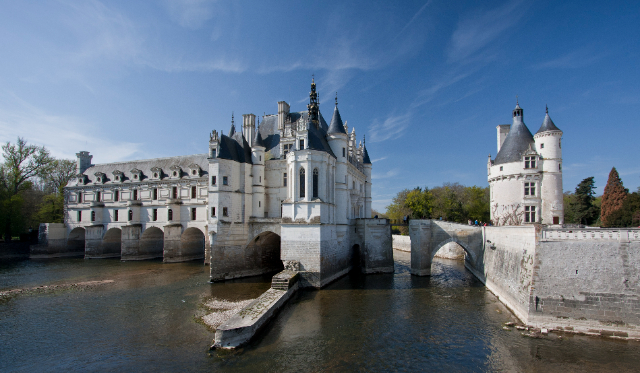

Nestled gracefully along the banks of the Cher River in the heart of the Loire Valley, the Castle of Chenonceaux is a stunning embodiment of French Renaissance architecture and a testament to centuries of history. Known as the "Château des Dames" due to its influential female proprietors, this picturesque château offers a captivating glimpse into France's storied past and cultural heritage.
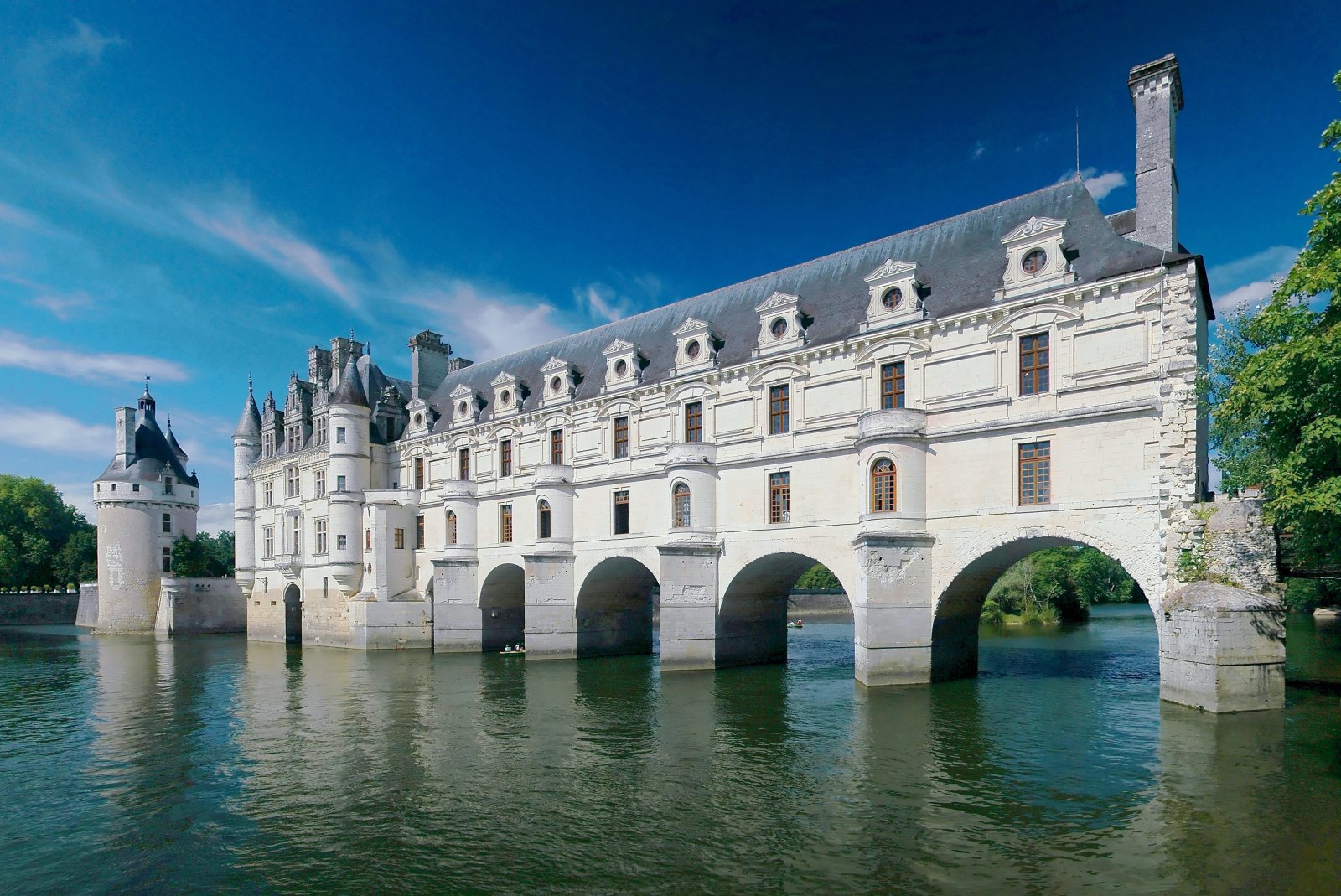
The origins of Chenonceaux trace back to the 11th century, though the existing structure was primarily constructed between 1514 and 1522 on the foundations of an old mill. The château's history is intricately linked with prominent figures such as Catherine de' Medici and Diane de Poitiers. Diane, the favored mistress of King Henry II, was gifted the château and added the iconic arched bridge over the Cher River. After Henry's death, Catherine de' Medici claimed Chenonceaux, transforming it into a center of political power and lavish entertainment.
The château's architecture is a harmonious blend of late Gothic and early Renaissance styles, featuring elegant stone facades and intricately designed gardens. Inside, visitors can marvel at the Gallery, a long ballroom that stretches across the river, adorned with black and white tiles and lined with windows that offer breathtaking views. The château houses an impressive collection of artworks, including pieces by Tintoretto and Ruben. The Chapel boasts striking stained glass windows, while rooms such as the Five Queens' Bedroom offer luxurious glimpses into the past.
Culturally, the village of Chenonceaux and the surrounding region celebrate their rich heritage through vibrant festivals and traditions. The annual Fête de la Saint-Vincent pays homage to the local viticulture, featuring wine tastings and lively parades. The Renaissance Festival, held in nearby Amboise, transports visitors back in time with costumed reenactments, medieval music, and artisanal crafts.
The Loire Valley is renowned for its gastronomy, and the area surrounding Chenonceaux is no exception. Delight in Tarte Tatin, a caramelized upside-down apple pie, or savor the flavors of Rillettes de Tours, a delectable pork spread. Pair these with a crisp Vouvray, a local white wine known for its floral notes and elegance. The château itself hosts a refined restaurant, L'Orangerie, where guests can enjoy regional delicacies amidst stunning views of the gardens.
Beyond the well-trodden paths, Chenonceaux harbors lesser-known curiosities. The château's kitchens, designed by Catherine de' Medici, are an underground marvel, showcasing the culinary practices of the time. The surrounding maze, a nod to the Italian influence of the Medici family, offers a serene escape amid meticulously trimmed hedges. Another hidden gem is the Farm of Chenonceaux, which provides insight into the daily lives of those who served the château.
For those planning a visit, the best time to explore Chenonceaux is during the spring or early autumn. These seasons offer mild weather and fewer crowds, allowing for a more intimate experience. Arrive early to fully appreciate the gardens in the tranquil morning light, and don't miss the Catherine de' Medici's Garden, with its vibrant blooms and artistic layout. A riverboat ride on the Cher provides a unique perspective of the château and its stunning reflection in the water.
When visiting, consider purchasing a combination ticket to explore other nearby châteaux, such as Amboise and Chambord, each with its own unique history and charm. Be sure to wear comfortable shoes, as there is much to explore both inside the château and throughout the extensive grounds.
The Castle of Chenonceaux is not merely a historical monument; it is a living testament to the artistry, power, and cultural richness of France. Whether you are drawn to its architectural beauty, its historical intrigue, or its lush gardens, a visit to Chenonceaux is sure to be an unforgettable journey through time.


