
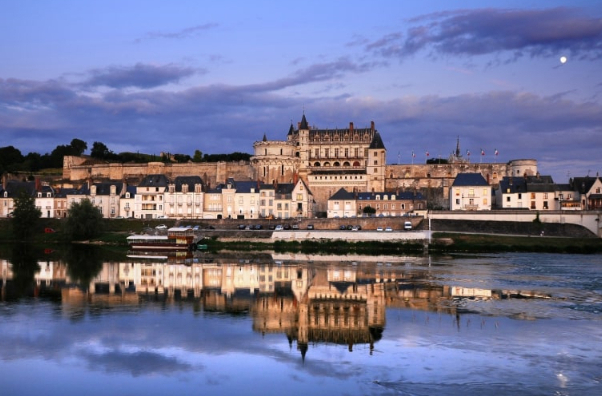

Nestled in the heart of the Centre Val de Loire, the Fortezza di Amboise stands as a testament to a rich tapestry of French history, royal ambition, and artistic brilliance. This medieval fortress, originally a strategic military installation, transformed into a royal residence during the reigns of King Charles VIII and King Francis I in the late 15th and early 16th centuries. Today, it is not only a remarkable architectural feat but also a cultural treasure that has attracted numerous scholars and artists, including the legendary Leonardo da Vinci, who is buried in the castle's chapel.
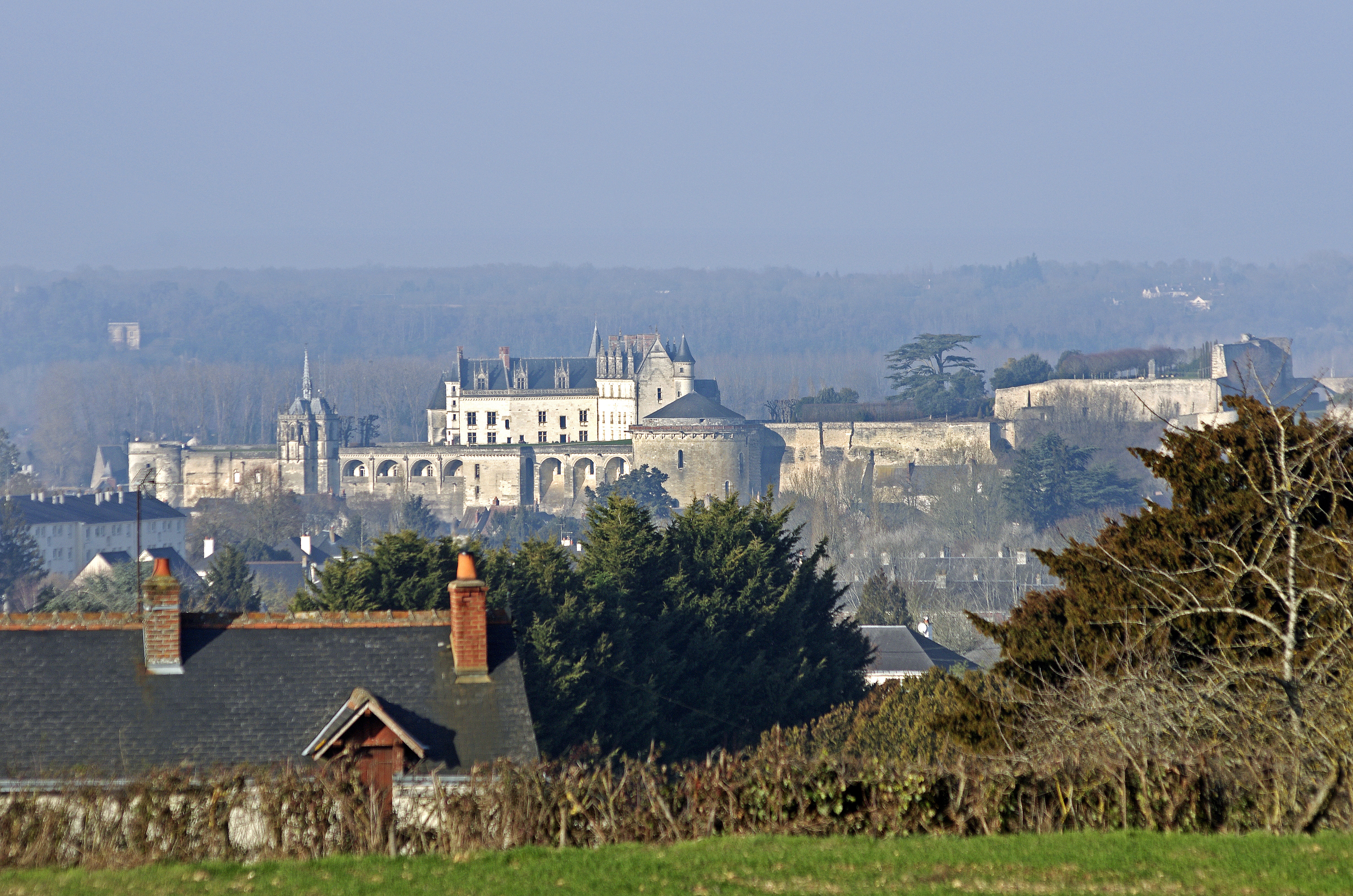
The origins of the Fortezza di Amboise can be traced back to the early medieval period, with its first documented mention in the 10th century. Initially built for defense, the fortress evolved significantly under Charles VIII, who sought to enhance its grandeur. His efforts culminated in the expansion of the castle into a royal residence, featuring intricate gardens and lavish interiors. Following his death, Francis I continued this trend, introducing Renaissance influences that would define the castle's architectural style.
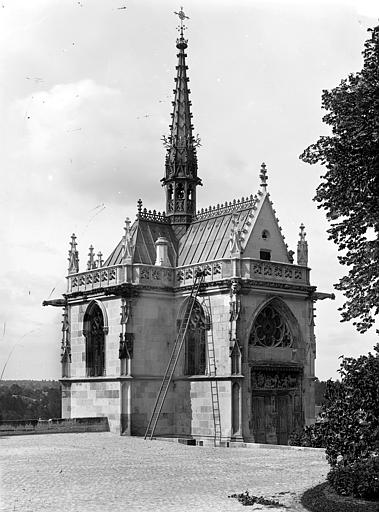
The artistic significance of the Fortezza di Amboise is profound. The blend of Gothic and Renaissance architecture creates a unique visual narrative. Notable features include the grand Léonard de Vinci room, designed for the illustrious artist's comfort, and the Chapel of Saint-Hubert, where Da Vinci rests. The chapel, adorned with exquisite stained glass and intricate woodwork, showcases the craftsmanship of the period.
Local culture thrives around the Fortezza di Amboise, with traditions deeply rooted in the region's rich history. The Fête de la Saint-Vincent, celebrated in January, honors the patron saint of winemakers and is marked by local wine tastings, music, and parades. Visitors can immerse themselves in the vibrant atmosphere, learning about the age-old techniques of winemaking that have shaped the Loire Valley’s identity.
Culinary delights abound in Amboise, where the local gastronomy reflects the region's agricultural bounty. Goat cheese, particularly from the nearby Cheverny, is a must-try, often paired with a glass of Vouvray wine. The region is also famous for its Tarte Tatin, a delicious upside-down caramelized apple tart that has its roots in the nearby town of the same name. Dining at local bistros allows visitors to savor these specialties while enjoying the scenic views of the Loire River.
For those seeking hidden gems, the Fortezza di Amboise offers surprises beyond its grand facades. Many tourists overlook the Garden of the Castle, with its stunning views of the Loire Valley, designed to mimic the grand gardens of Italian Renaissance palaces. Additionally, the castle has a fascinating history of hosting notable figures such as Catherine de' Medici, who hosted extravagant gatherings that shaped the cultural landscape of France.
The best time to visit the Fortezza di Amboise is during the spring and early autumn months when the gardens are in full bloom, and the weather is mild. To make the most of your visit, consider joining a guided tour that delves into the castle's rich history and architectural nuances. Don't miss the opportunity to explore the castle's extensive grounds, which offer panoramic views and a glimpse into the royal lifestyle of the past.
In conclusion, the Fortezza di Amboise is a breathtaking blend of history, art, and culture that invites exploration. Whether you are wandering through its grand halls, savoring local delicacies, or participating in vibrant festivals, the castle offers a unique glimpse into France's royal heritage. To experience a personalized itinerary that highlights these treasures, consider using the Secret World app for your visit to Amboise.


