


Perched atop the serene Lauro Hill in Castrovillari, Italy, the Franciscan Protoconvent and Church of the Holy Trinity stand as timeless testimonies to spiritual devotion and architectural splendor. Founded in 1220 by Pietro Cathin, a devout disciple of St. Francis of Assisi, this sacred site has weathered the centuries, bearing witness to the evolving tapestry of Italian history. The convent's journey from its inception in the 13th century to its suppression in 1809 is a narrative of transformation and resilience.
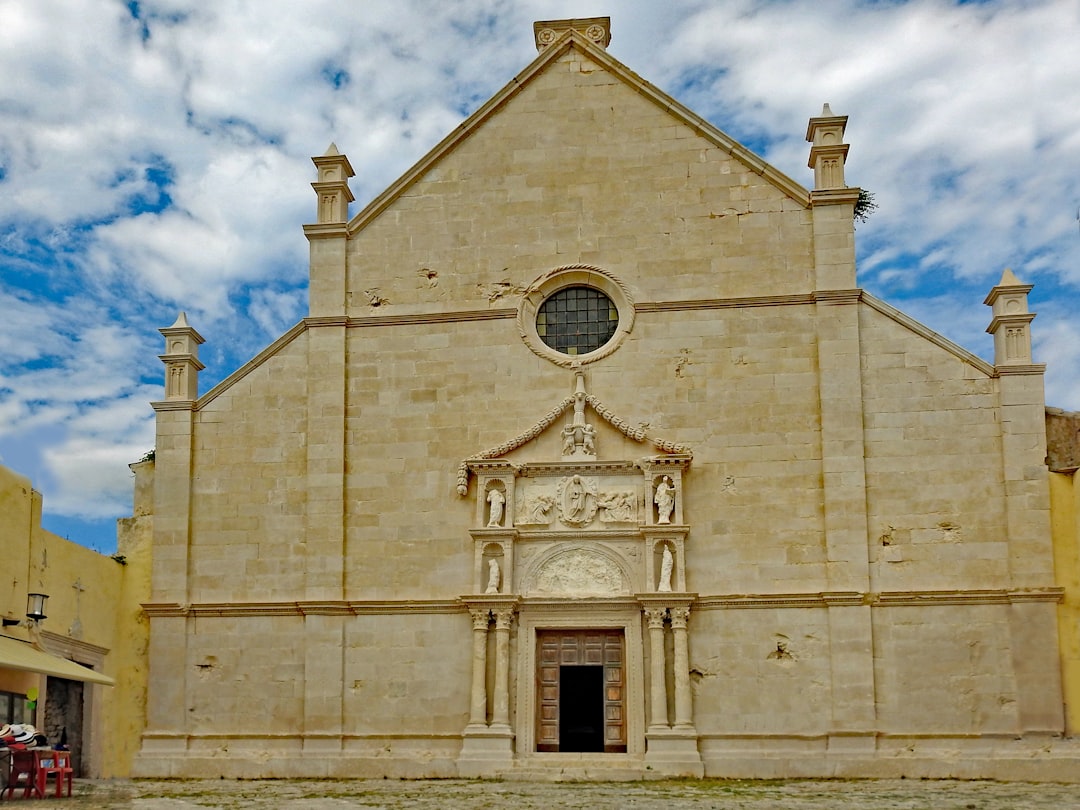
The convent complex, initially modest, saw significant changes over the centuries. In 1586, the first cloister was rebuilt, enhancing its medieval charm with Renaissance elegance. The adjacent church and its distinctive bell tower crafted a harmonious blend of spiritual and architectural beauty. By 1702, work commenced on a second cloister, a testament to the growing importance of the site. The crowning jewel, the Church of the Holy Trinity, began taking shape in 1750, embodying the Baroque style with its intricate facades and opulent interiors.
Stepping into the church, visitors are greeted by a feast for the eyes. Baroque artistry is on full display, with frescoes that narrate biblical tales and altars adorned with gilded ornaments. The Pinacoteca Andrea Alfano, housed within the convent, is a treasure trove of religious art, showcasing works that span centuries and styles. Each piece tells a story, connecting the viewer to the spiritual fervor that inspired its creation.
Castrovillari itself is a town steeped in tradition, where local customs and festivals breathe life into the community. The Festa di San Francesco di Paola, celebrated with fervor each April, brings the streets to life with processions, music, and vibrant displays of devotion. It's a time when the town's rich history and faith converge, offering visitors a profound glimpse into the heart of Italian culture.
No visit to Castrovillari is complete without indulging in the local gastronomy. The region is known for its Calabrian cuisine, which tantalizes the palate with robust flavors and fresh ingredients. Sample the 'nduja, a spicy, spreadable pork sausage, or savor lagane e ceci, a rustic pasta dish with chickpeas that speaks to the area's culinary heritage. Pair these with a glass of local wine, and you have a meal that captures the essence of the region.
Beyond the well-trodden paths, the convent holds secrets known only to those who seek them. One intriguing curiosity is the legend of a hidden tunnel, said to connect the convent to other parts of the town, used in times of peril. Another lesser-known detail is the sundial etched into the convent's wall, a relic of the past that still marks the passage of time with silent precision.
For those planning a visit, the best time to explore Castrovillari is during the spring or fall, when the weather is mild, and the town is alive with cultural events. As you wander the cloisters and corridors, take a moment to admire the craftsmanship of the stonework and the serene beauty of the surrounding landscape. A good tip for visitors is to join a guided tour, which can provide deeper insights into the site's history and significance.
To make your journey to Castrovillari truly unforgettable, let the Secret World app craft a personalized itinerary that reveals the hidden gems and rich history of this enchanting location.


