
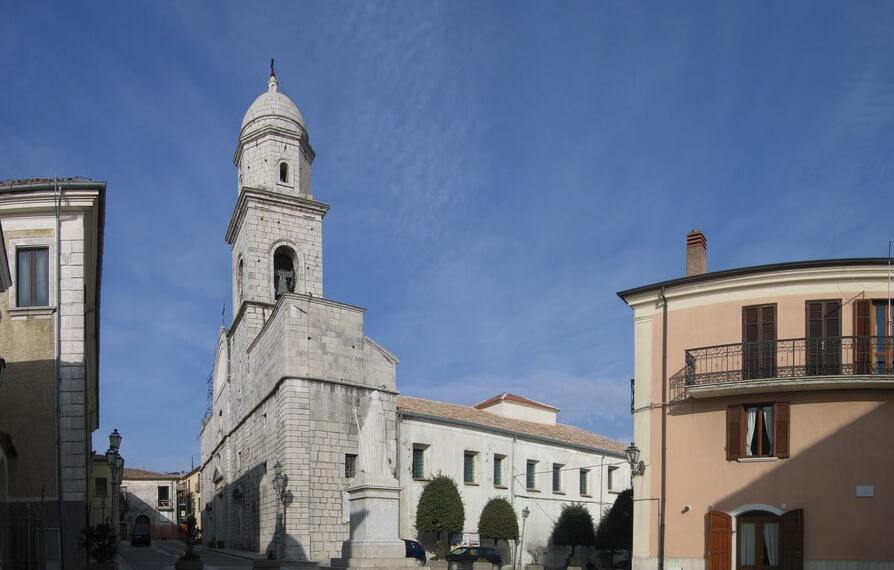

Nestled in the charming town of Nusco, the Cathedral of Nusco stands as a testament to centuries of history and artistic achievement. Originally founded in the 11th century, this magnificent structure has undergone significant renovations, particularly in the 18th century, when it was rebuilt to reflect the evolving architectural styles of the time. The cathedral's imposing façade, crafted from local stone, reflects the natural beauty of the region, while the Renaissance portal invites visitors into a world of artistic wonder.
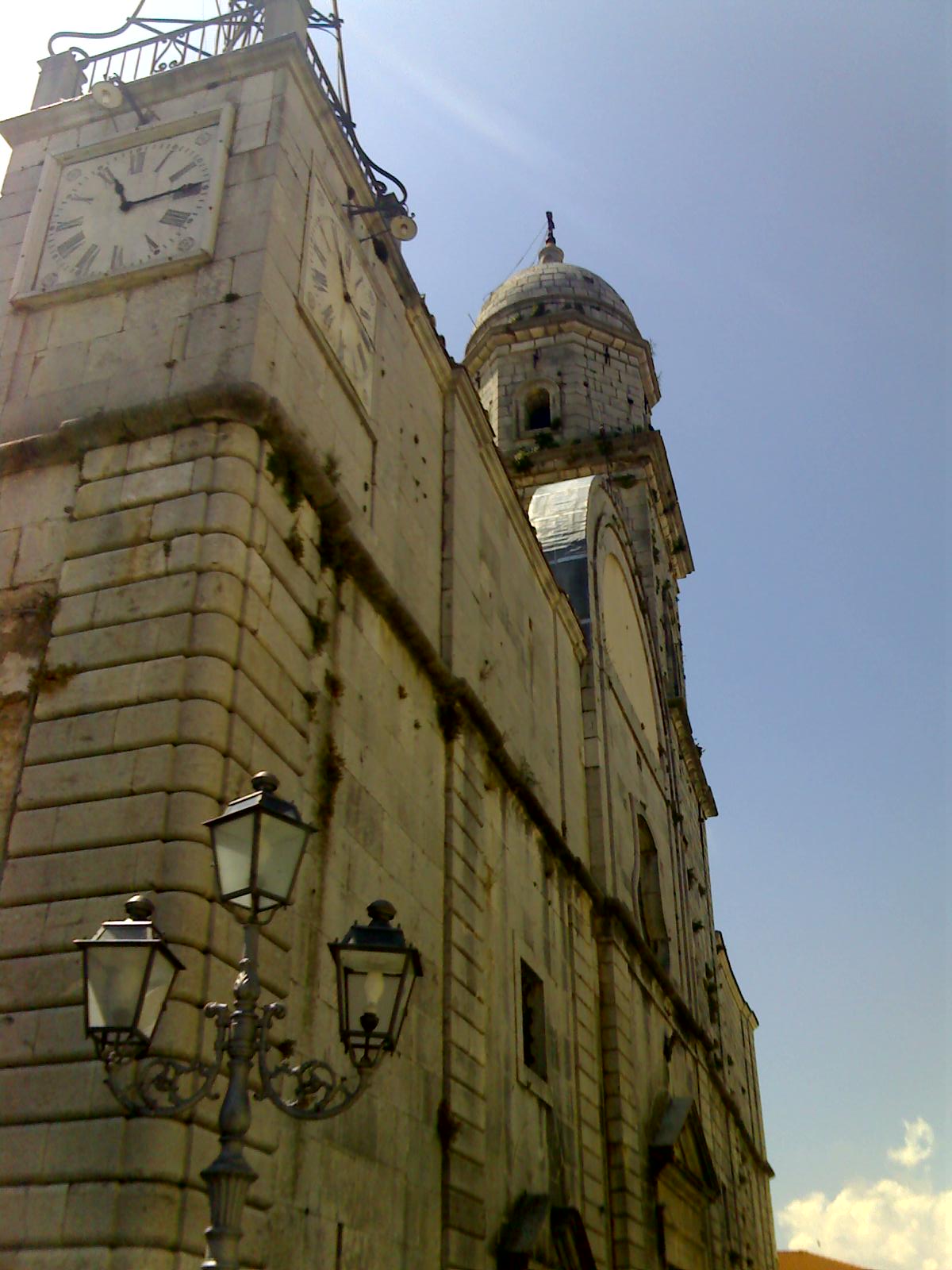
The cathedral's history is interwoven with that of Nusco itself. This medieval town, known for its rich heritage and picturesque landscapes, has been a focal point of religious life for centuries. The original church on this site was established around 1060 under the patronage of the Bishop of Avellino, serving as a spiritual center for the local populace. Over the years, it has witnessed key events, including the Visitation of the Virgin Mary celebration, emphasizing its role in the community.
Architecturally, the Cathedral of Nusco showcases a blend of styles, primarily Baroque and Renaissance. The interior is adorned with frescoes by the artist Pennino, completed in 1750, which narrate biblical stories and showcase the artistry of the period. The wooden pulpit from the 17th century is another highlight, crafted with intricate carvings that reflect the craftsmanship of the time. Visitors should not miss the wooden choir from the 18th century, which offers a glimpse into the musical traditions of the church. Additionally, four mausoleums dedicated to bishops can be found within the cathedral, reminding visitors of the ecclesiastical significance of Nusco throughout the ages. The wooden bishop's chair further adds to the historical richness, serving as a symbol of the church's authority.
Nusco is not only known for its architectural beauty but also for its vibrant local culture and traditions. The town comes alive during the Feast of San Bartolomeo, celebrated on August 24th, where locals engage in lively processions, traditional music, and delicious food. This festival is a highlight of the year, drawing both locals and tourists who wish to experience the communal spirit and deep-rooted traditions of this historic town.
Speaking of food, Nusco offers a delectable array of local gastronomy. The region is famous for its caciocavallo cheese, a semi-hard cheese made from cow's milk, often enjoyed with local bread. Pasta alla Genovese, a slow-cooked meat sauce served with pasta, is another must-try dish that showcases the rich culinary traditions of the area. Pair your meal with a glass of Aglianico wine, a robust red wine that perfectly complements the hearty local fare.
For those looking to delve deeper into Nusco's hidden treasures, there are lesser-known curiosities that make this town unique. One such gem is the ancient stone bridge known as the Ponte di Nusco, which dates back to Roman times. This bridge, while not as grand as others in Italy, offers a picturesque view of the surrounding countryside and is a favorite spot for photographers. Additionally, the town is rumored to be home to various legends, including tales of hidden treasures buried by ancient civilizations.
When planning a visit to the Cathedral of Nusco, the best time to explore is during the spring and early autumn months, when the weather is mild and the surrounding hills are lush and vibrant. Be sure to check local calendars for festivals and events, as these can greatly enhance your experience. A visit during the week offers a quieter atmosphere, allowing you to fully appreciate the cathedral's serenity.
As you wander through the cathedral’s hallowed halls, take a moment to reflect on the centuries of faith and artistry that have shaped this remarkable structure. The Cathedral of Nusco is more than just a building; it is a living history that continues to inspire those who enter its doors. By using the Secret World app, you can craft a personalized itinerary to ensure a memorable journey through the wonders of Nusco.


