
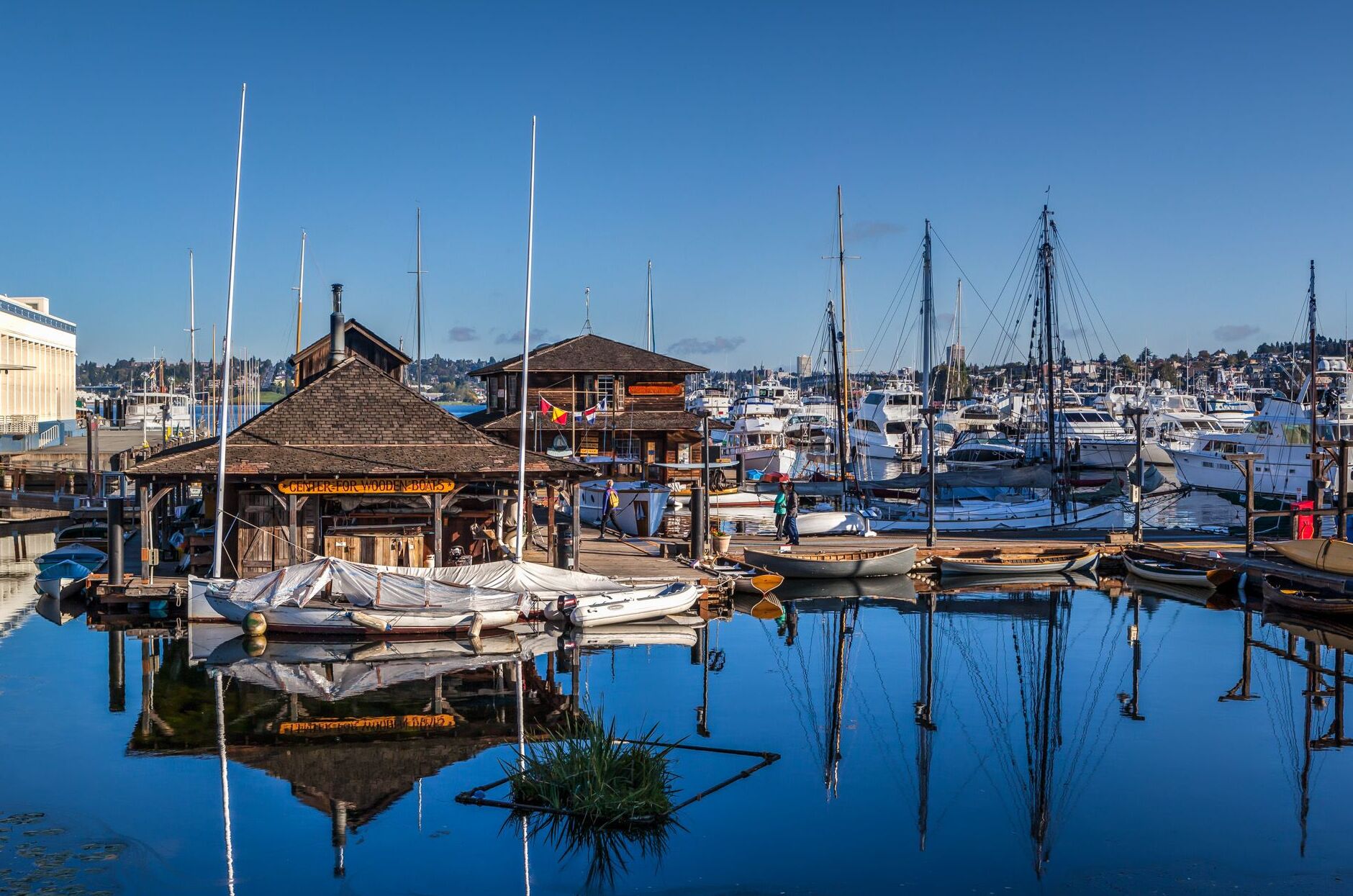

Nestled in the heart of Seattle, the Center for Wooden Boats (CWB) is a living museum that invites visitors to step into the rich and storied world of maritime history. With its array of more than 100 historic boats, primarily wooden, this unique institution offers a window into both the past and the enduring craftsmanship of boat building.
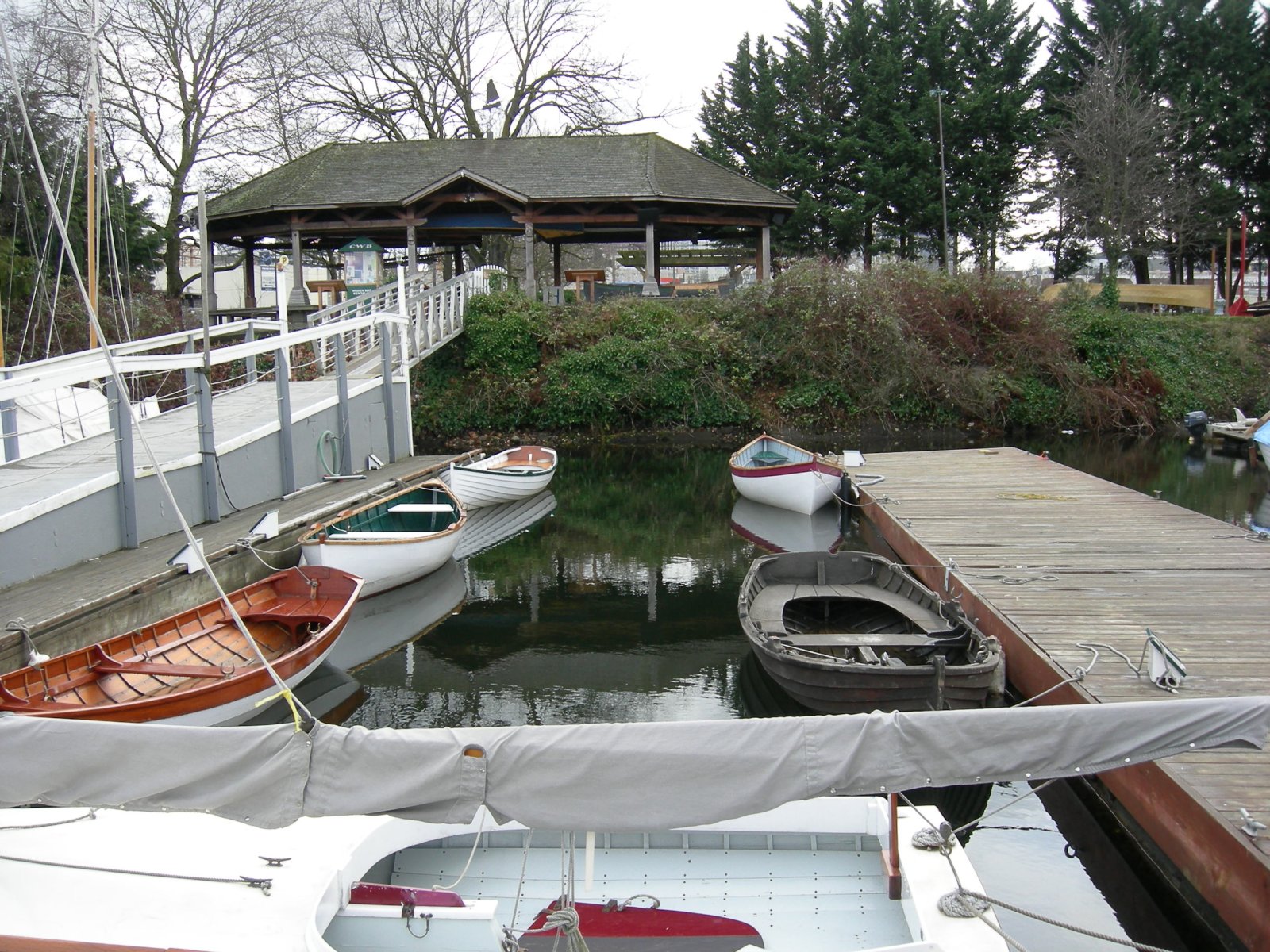
The origins of the CWB can be traced back to the early 1970s, when founders Dick and Colleen Wagner began sharing their passion for wooden boats with the community. Their vision was simple yet profound: to preserve the art and craft of wooden boat building while making maritime heritage accessible to all. Established officially as a nonprofit in 1977, the CWB has since grown into a cornerstone of Seattle's maritime culture. The center occupies a picturesque spot on the south end of Lake Union, a location historically significant for its role in Seattle's development as a hub of shipbuilding and commerce.
Architecturally, the Center for Wooden Boats blends seamlessly with its maritime surroundings. Its rustic, wooden structures echo the craftsmanship of the vessels it houses, offering an immersive experience. The docks, boat houses, and exhibits are designed to transport visitors into a bygone era of sail and oar. The CWB is not merely a museum; it's a dynamic environment where traditional skills are kept alive. Workshops and classes in boat building and maintenance are a testament to its mission of education and preservation.
Seattle's maritime culture is deeply interwoven with the traditions upheld at the CWB. The center hosts a variety of events that celebrate this heritage, including the annual Lake Union Wooden Boat Festival, drawing enthusiasts from across the globe. This festival is a vibrant showcase of maritime craftsmanship, featuring live demonstrations, boat rides, and a chance to meet artisans dedicated to the preservation of wooden boats. The festival embodies Seattle's spirit, where innovation meets tradition, and community thrives around shared cultural experiences.
While the CWB itself doesn’t offer a culinary experience, its location in Seattle provides a rich tapestry of gastronomic delights for visitors. The city is renowned for its fresh seafood, reflecting its maritime roots. Nearby, visitors can indulge in local specialties such as wild-caught salmon, Dungeness crab, and the quintessential Pacific Northwest chowder. For a taste of Seattle's eclectic culinary scene, the Pike Place Market, not far from the CWB, offers a bounty of local flavors, from artisanal cheeses to freshly baked pastries.
Beyond its well-documented history and architecture, the CWB is full of hidden gems and lesser-known stories. One such curiosity is the presence of the Tugboat Arthur Foss, one of the oldest wooden tugboats in the United States, often docked nearby. This vessel, built in 1889, is a living piece of history, having served in the Klondike Gold Rush and World War II. The CWB also hosts the Sailing Sundays program, where visitors can sail on Lake Union aboard historic vessels, offering a truly hands-on experience of Seattle's maritime legacy.
For those planning a visit, the best time to explore the CWB is during the warmer months, from late spring to early fall, when the weather is ideal for outdoor activities. The center is open year-round, but the summer months provide the added benefit of the aforementioned festivals and events. Visitors should consider participating in a workshop or a guided tour to fully appreciate the intricacies of wooden boat building and the stories behind each vessel.
In summary, the Center for Wooden Boats is more than just a museum; it's a vibrant community hub that celebrates Seattle's maritime history and craftsmanship. Its dedication to preserving wooden boat heritage, coupled with its engaging programs, makes it a must-visit for anyone interested in maritime culture. Whether you're a history buff, a sailing enthusiast, or simply curious, the CWB offers an enriching experience that captures the spirit of Seattle's waterfront and its enduring connection to the sea.


