
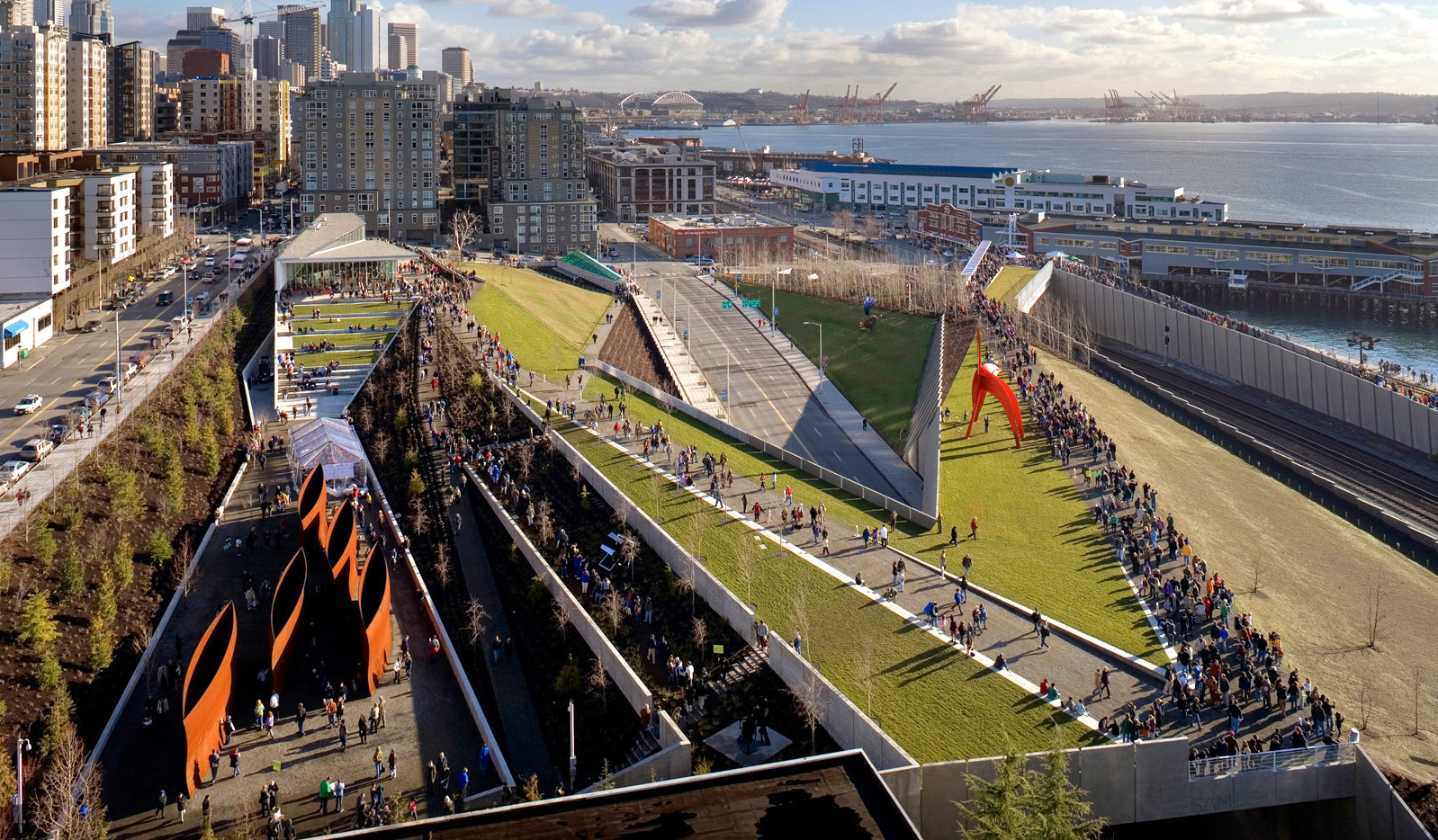

Nestled at the edge of Seattle's vibrant waterfront, the Olympic Sculpture Park is a breathtaking fusion of art and nature that invites visitors to explore its dynamic landscape. This urban oasis, a part of the Seattle Art Museum, offers an inspiring escape from the city's bustling streets. Opened in January 2007, the park was conceived as a way to reconnect Seattle's urban core with its waterfront, transforming a former industrial site into a public space where art, nature, and city life intertwine seamlessly.
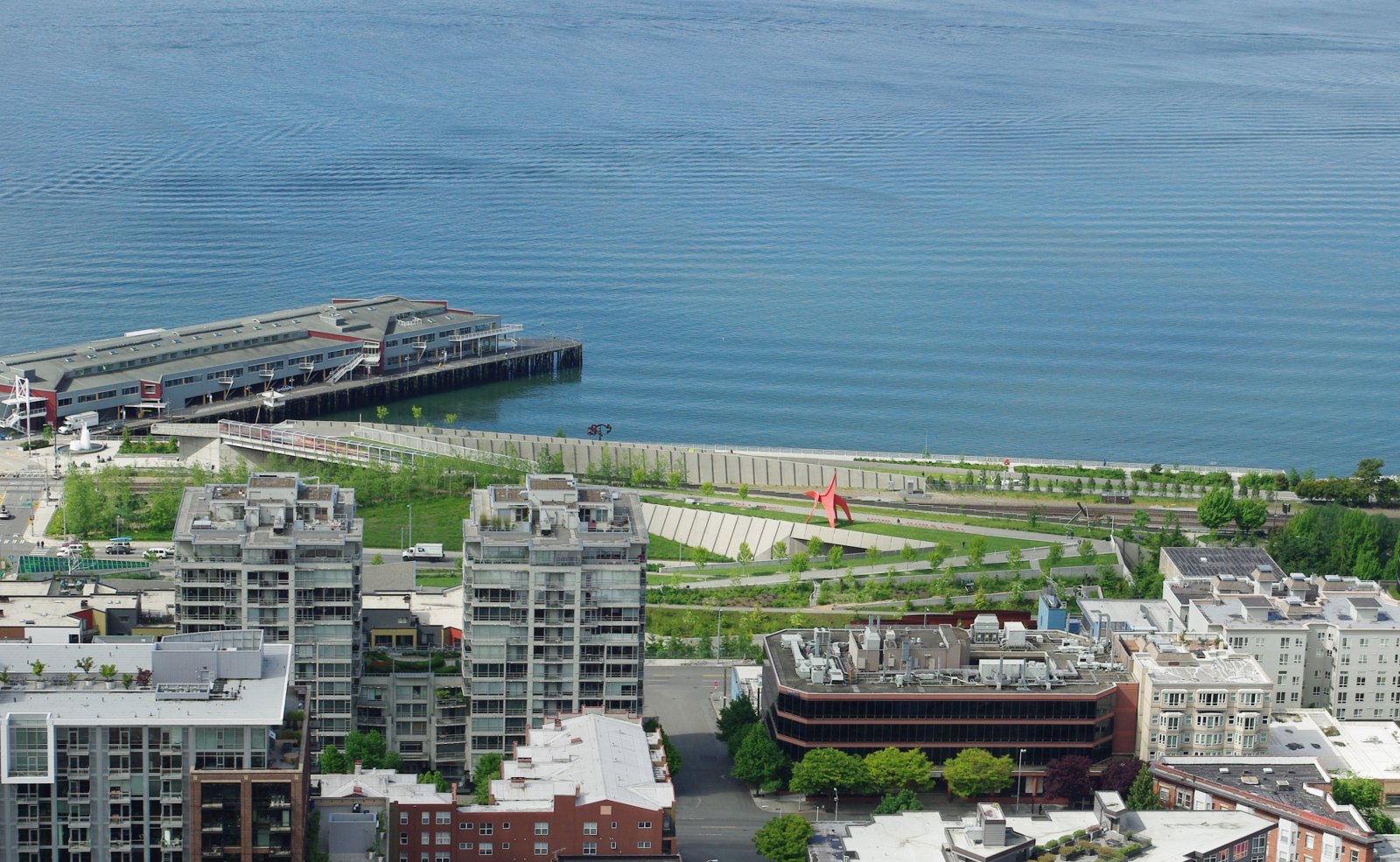
The park's inception was the result of an international design competition, ultimately won by the New York-based architectural firm Weiss/Manfredi. Their innovative design breaks the traditional mold of a sculpture park, creating a continuous landscape that cascades from the city to the shoreline. The design concept, described as a "green spine," features a series of grassy hills, winding gravel paths, and dramatic vistas. It cleverly integrates the site's industrial past while enhancing the natural beauty of the area.
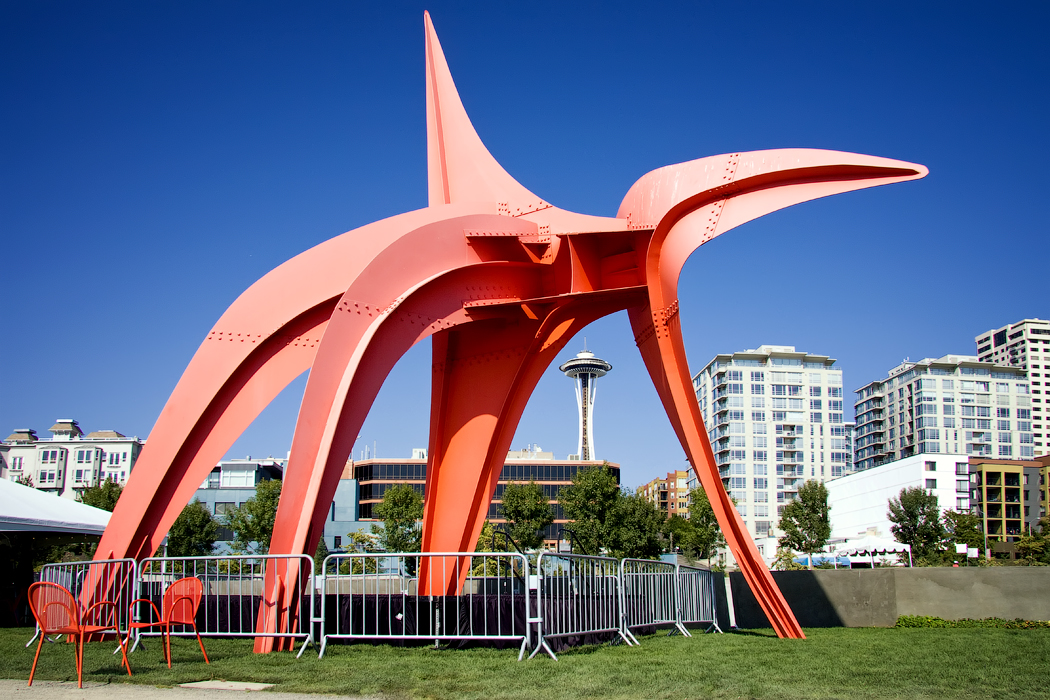
Art enthusiasts will find a treasure trove of works by renowned artists scattered throughout the park's nine acres. Notable pieces include Alexander Calder's "Eagle," a striking red structure that commands attention against the backdrop of the Puget Sound, and Louise Bourgeois' "Father and Son," a poignant fountain installation that speaks to the complexities of familial relationships. The park also hosts works by Richard Serra, Beverly Pepper, and Roxy Paine, making it a must-visit for those who appreciate modern sculpture.
Seattle's local culture is reflected in the park's commitment to accessibility and community engagement. The park frequently hosts cultural events and art installations that reflect the city's diverse artistic scene. One can often find local artists and performers showcasing their work, adding a vibrant layer to the park's atmosphere. This dedication to community involvement underscores Seattle's reputation as a city that values creativity and inclusivity.
While the park itself does not feature dining options, its proximity to the bustling Belltown neighborhood means visitors have easy access to a range of gastronomic delights. Seattle is famed for its seafood, and a visit would be incomplete without sampling some fresh Pacific Northwest fare. Nearby eateries offer everything from fresh salmon and Dungeness crab to inventive dishes featuring locally foraged ingredients. Pair your meal with a locally brewed craft beer or a glass of Washington wine to complete the experience.
For those seeking lesser-known curiosities, the park is home to a unique feature known as the "Z Path." This zigzagging path not only serves as an architectural marvel but also offers an ever-changing perspective of the surrounding environment, encouraging visitors to slow down and appreciate the interplay between art and nature. Another hidden gem is the PACCAR Pavilion, an indoor space that hosts rotating art exhibitions and offers stunning views of the park and Elliott Bay.
When planning a visit, consider the Seattle weather, which can be unpredictable. The best time to explore is during the late spring or summer months when the skies are clearer, and the lush greenery of the park is in full bloom. Early morning or late afternoon visits can provide the most serene experiences, avoiding the larger crowds and offering softer light for photography enthusiasts.
Finally, take time to explore the park’s Beach Walk, a tranquil stretch along the shoreline that provides stunning views of the Olympic Mountains and the Seattle skyline. Whether you're an art aficionado, a nature lover, or simply seeking a peaceful retreat, the Olympic Sculpture Park offers a uniquely immersive experience that captures the spirit of Seattle's innovative and artistic soul.


