
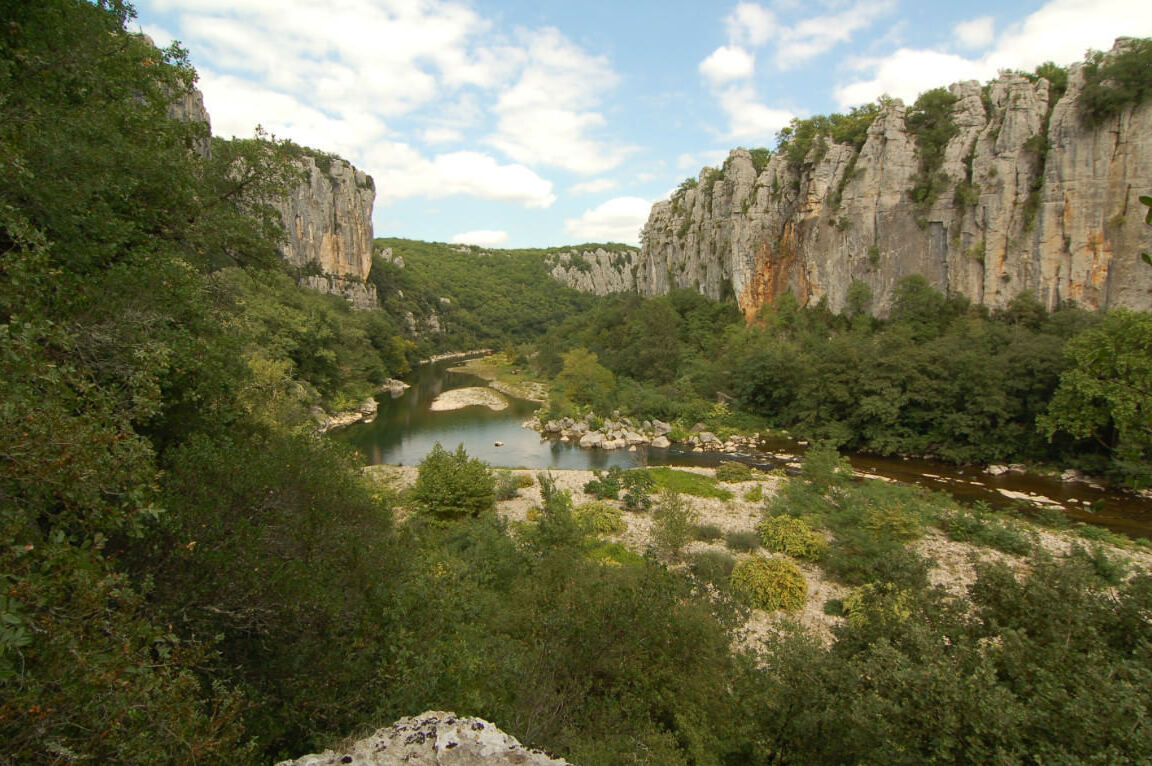

Nestled in the heart of southern France, Cévennes National Park is a breathtaking tapestry of rugged mountains, deep valleys, and charming villages that tell stories extending back to ancient times. Created on September 2, 1970, and designated a Biosphere Reserve in 1985, this park offers a glimpse into a world where nature and humanity coexist harmoniously.
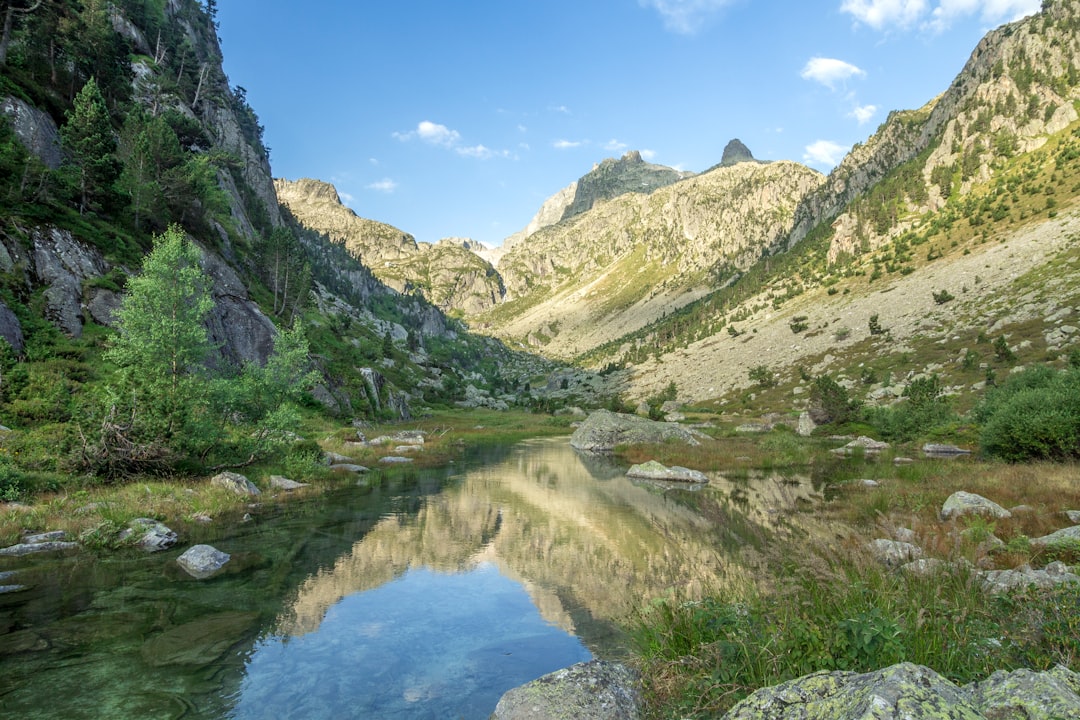
The park's history stretches back thousands of years. Evidence of human presence in the Cévennes dates to the Neolithic era, when early inhabitants began to cultivate the land and domesticate animals. Over time, these practices evolved into a unique form of agro-pastoralism, a system that balances agriculture and livestock grazing, which remains a defining feature of the landscape today. The region's cultural significance was recognized internationally when UNESCO classified it as a "Cultural Landscape of Mediterranean Agro-Pastoralism" in 2001.
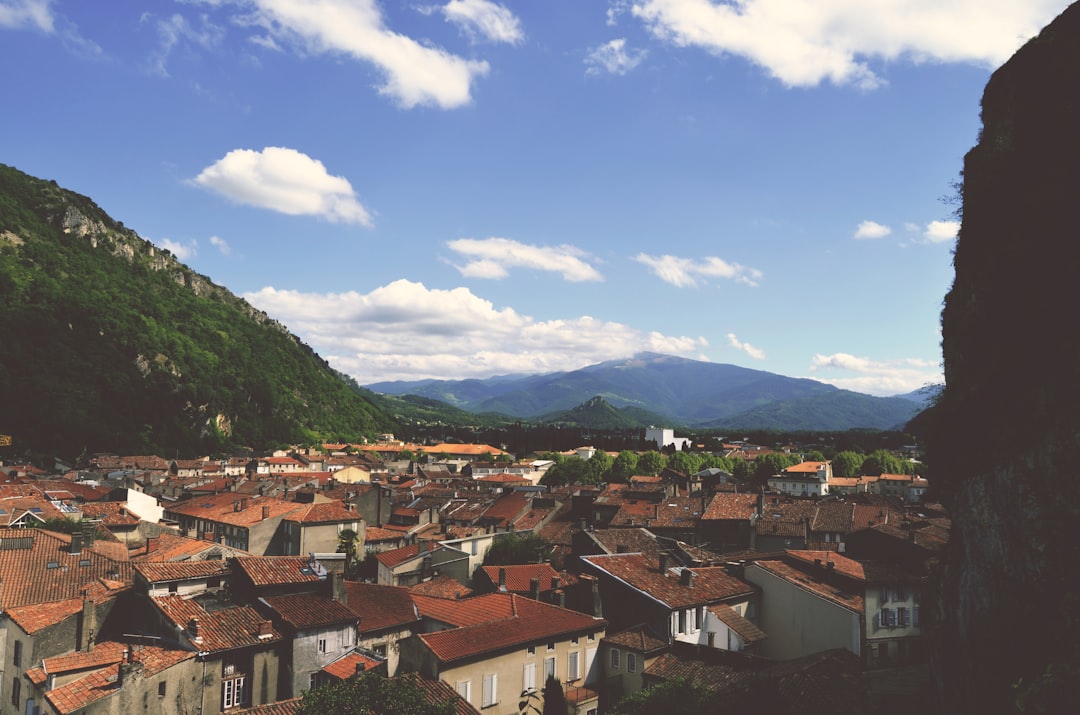
As you wander through the park, you'll encounter stunning examples of local architecture that reflect its rich history. The Cevennes villages are characterized by granite houses with slate roofs, built to withstand the region's weather. Notable sites include the village of Le Pompidou, where the Maison des Hommes et des Paysages serves as a center for understanding the cultural and natural heritage of the area. The craftsmanship of local artisans can also be admired in the intricate stone walls and traditional shepherd huts scattered throughout the landscape.
The local culture is vibrant and steeped in tradition. Festivals such as the Fête de la Châtaigne (Chestnut Festival) in October celebrate the region's agricultural heritage, drawing visitors eager to taste roasted chestnuts and local wines. In summer, the Fête de la Lavande (Lavender Festival) showcases the stunning purple fields and the importance of lavender production to the local economy. These events not only highlight the region's produce but also foster a sense of community among residents and visitors alike.
When it comes to gastronomy, the Cévennes region is a treasure trove of flavors. The area is renowned for its cèpe mushrooms, which can be found in the forested areas of the park. The traditional brandade de morue, a dish made from salted cod and potatoes, speaks to the Mediterranean influences in local cuisine. Visitors should also indulge in Pélardon, a goat cheese that embodies the local terroir, and pair it with a glass of Saint-Chinian wine, which captures the essence of the region’s vineyards.
Beyond its stunning landscapes and rich history, the park holds many lesser-known curiosities. One such gem is the Cave of Aven Armand, a magnificent underground wonder that features incredible stalactites and stalagmites. Discovered in 1897, this natural cave system is accessible via guided tours and provides insight into the geological history of the area. Additionally, the Cévennes are home to unique wildlife, including the elusive Cévennes goat, an endangered breed known for its resilience to the rugged terrain.
For those planning a visit, the best time to explore Cévennes National Park is during the spring and early fall when the weather is mild and the flora is in full bloom. The park offers numerous hiking trails, ranging from gentle walks to challenging treks that cater to all levels of experience. Be sure to look for the park's abundant wildlife, including the majestic griffon vultures that soar above the cliffs and the many species of flora found in its diverse ecosystems.
As you embark on your adventure in Cévennes National Park, take the time to immerse yourself in its stunning landscapes, rich culture, and delightful gastronomy. With its perfect balance of protection and development, the park is a testament to the beauty of human-nature coexistence.
For a tailored exploration of this remarkable region, consider using the Secret World app to create a personalized itinerary.


