
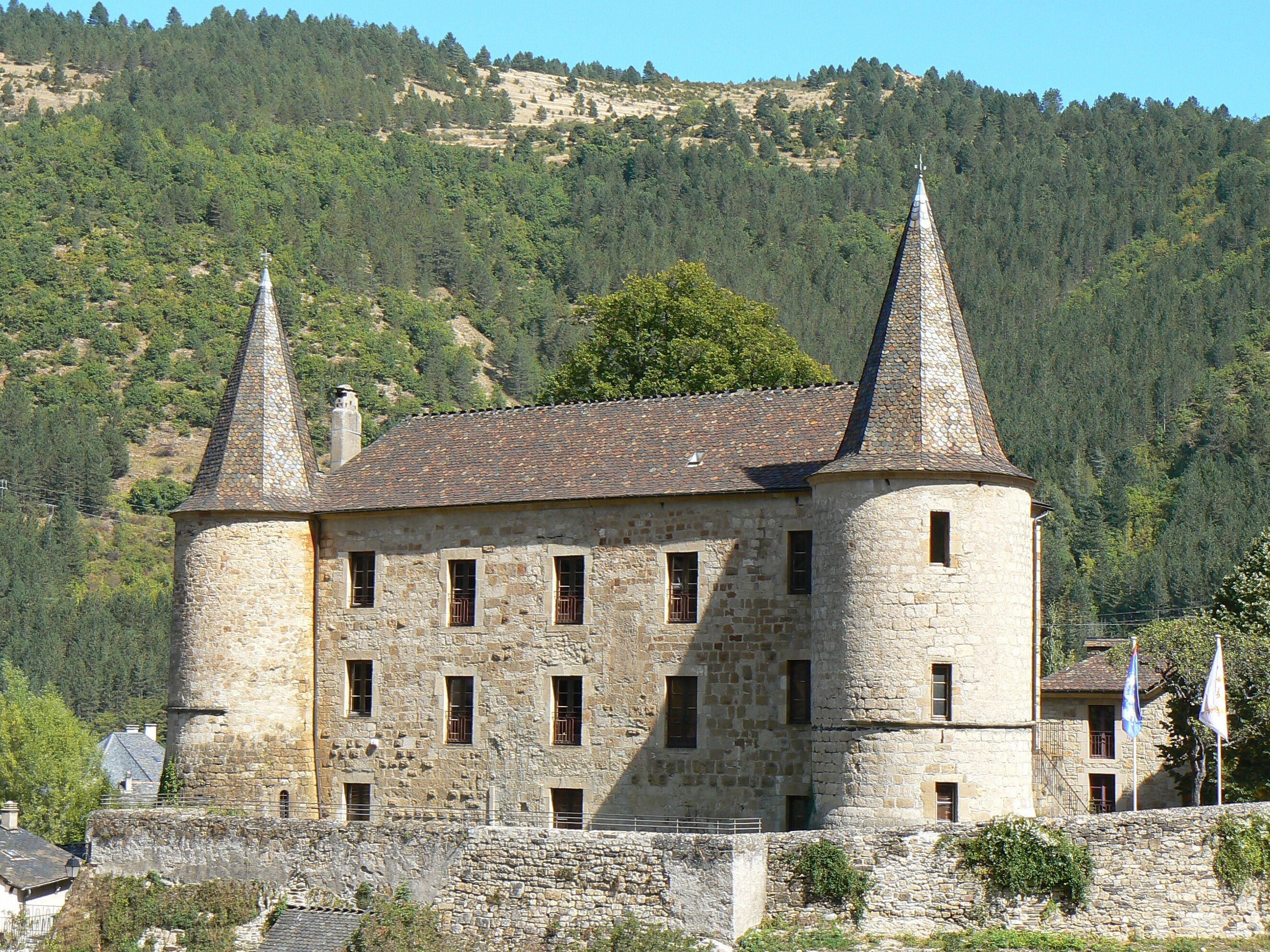

Nestled in the picturesque Cevennes region of southern France, the Château de Florac stands as a testament to the area's rich and tumultuous history. Originally erected in the 13th century, this imposing structure has witnessed centuries of change, from feudal power struggles to revolutionary upheaval, all while serving various roles that have shaped its identity.
The Château was initially part of the Barony of Anduze, a significant feudal domain. Its strategic location allowed it to flourish as a defensive stronghold. However, it was during the 17th century, specifically in 1652, that the castle was entirely reconstructed following the devastating Wars of Religion. This rebuilding not only reinforced its walls but also transformed it into a symbol of resilience amid the chaos of the time. The castle's architecture reflects the Renaissance influence, characterized by its robust stone façade and elegant proportions, making it an intriguing study in medieval military design blended with artistic elegance.
The castle's history took a drastic turn during the French Revolution when it was repurposed into a salt loft for storing salt, a commodity vital for preserving food. This transformation marked a departure from its original purpose as a noble residence. By the 19th century, the Château had taken on yet another role—serving as a prison, which added to the layers of its storied past. Each of these transitions has left an indelible mark on the structure, adding to its character and significance in the region.
Today, the Château de Florac is the esteemed headquarters of the Cévennes National Park, a role it has embraced since 1976. The park, known for its stunning landscapes, diverse flora and fauna, and rich cultural heritage, has made the castle a vital hub for visitors seeking to explore this remarkable area. The ground and first floors of the castle now house an informative exhibition dedicated to the park, where guests can immerse themselves in the natural wonders and activities available, including hiking trails and guided tours.
Architecturally, the Château is a blend of medieval fortification and Renaissance refinement. Its imposing towers and fortified walls are contrasted by beautifully crafted interiors that showcase the region's artistic heritage. Among the notable features is a collection of historical artifacts and artworks that reflect the lifestyle of the nobility during its heyday. The castle’s layout, with its expansive courtyard, provides a glimpse into the social structures of the time, while its sturdy architecture speaks to the need for defense against past aggressors.
Florac is not just a feast for the eyes; it is also a hub of vibrant local culture. The region celebrates various festivals that honor its rich heritage. One such event is the Fête de la Nature, which draws locals and tourists alike to celebrate the natural beauty of the Cévennes. Traditional music, local crafts, and culinary delights are showcased, offering visitors a taste of the region's culture. Additionally, the Cévennes are known for their unique traditions, including chestnut harvesting in the autumn, which has been a staple of local livelihoods for generations.
Speaking of culinary delights, the gastronomy of Florac reflects the agricultural bounty of the Cévennes. Visitors can indulge in local specialties such as brandade de morue (a creamy cod dish) and cèpe mushrooms, which thrive in the surrounding forests. Pair these dishes with a glass of Côtes du Rhône wine or the region's distinctive chestnut beer for an authentic taste of the area. The local markets are a treasure trove of fresh produce, artisanal cheeses, and handmade goods, perfect for food enthusiasts looking to explore the flavors of the region.
For those curious about lesser-known aspects of the Château de Florac, one hidden gem lies in its secret passages. These narrow corridors, once used for escape or clandestine meetings, whisper stories of intrigue and adventure, often unnoticed by the casual observer. Additionally, the castle is said to be haunted by the spirits of its former inhabitants, adding an air of mystery to its already captivating history.
When planning a visit, the best time to explore the Château de Florac is during the spring and early autumn months. The weather is pleasant, and the surrounding landscapes are in full bloom, making hikes and outdoor activities particularly enjoyable. Be sure to check the castle’s schedule for guided tours, which provide deeper insights into its history and architecture.
In conclusion, the Château de Florac is not merely a historical relic; it is a vibrant part of the cultural tapestry of the Cévennes. With its rich history, stunning architecture, and vibrant local traditions, it offers a unique glimpse into the past while serving as a gateway to the natural wonders of the region. To make the most of your visit to Florac, consider using the Secret World app to craft a personalized itinerary that highlights this enchanting destination.


