



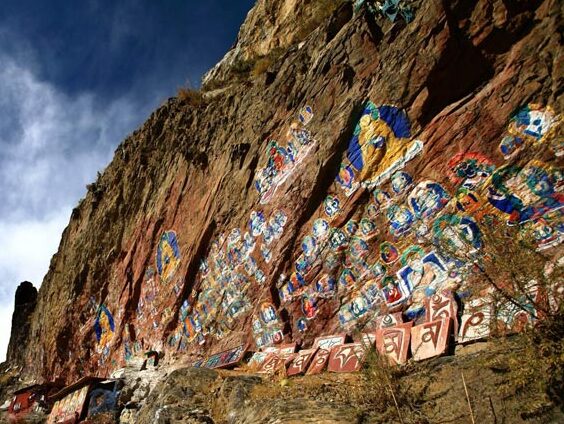
Perched majestically at an altitude of 3,725 meters, Chakpori Hill, also known as Yao Wang Shan or the Medicine King Mountain, offers visitors an intriguing glimpse into Tibetan culture and history. Nestled to the right of the iconic Potala Palace in Lasa Shi, the hill is steeped in the rich heritage of Tibetan medicine and spirituality, making it a must-visit for anyone exploring this vibrant region.
### History and Origins The name Chakpori translates to “the horn of the mountain,” a reference to the distinctive shape reminiscent of a horn on the Red Mountain. Dating back to the late 17th century, this sacred site became a pivotal educational center under the guidance of Sangjie Gyatso, a revered figure in Tibetan Buddhism. He established a medical school dedicated to the study of Tibetan medicine, attracting many young lamas to learn the ancient practices.
At the heart of the medical school was a striking sapphire figure representing the Tibetan Medicine King, a symbol of healing and knowledge. This institution flourished until 1959, when political upheaval led to its closure, yet its legacy continues to resonate deeply within the local culture.
### Art and Architecture The architecture of Chakpori Hill reflects the traditional Tibetan styles, characterized by intricate carvings and vibrant colors that harmonize with the natural landscape. The hill is dotted with stupas, prayer flags, and various shrines, each telling its own story.
Visitors are particularly drawn to the sapphire statue within the remnants of the medical school. This artwork, believed to embody the essence of Tibetan medicine, remains a focal point for practitioners and seekers alike. The combination of natural beauty and spiritual significance makes Chakpori a unique site for both reflection and exploration.
### Local Culture and Traditions The cultural tapestry of Lasa Shi is woven with vibrant traditions and festivals that celebrate Tibetan heritage. One of the most significant events is the Shoton Festival, which typically occurs in late summer. This festival showcases traditional opera, offering visitors a chance to immerse themselves in the local art forms while enjoying the stunning backdrop of the mountains.
Local customs also include daily rituals surrounding the hill, where devotees climb its paths to offer prayers and light butter lamps in the numerous shrines scattered along the way. Such practices highlight the deep spiritual connection the people have to Chakpori Hill and its historical significance in Tibetan medicine.
### Gastronomy A visit to Chakpori Hill is not complete without indulging in the local Tibetan cuisine. One must-try dish is momo, a type of dumpling filled with meat or vegetables, often paired with spicy dipping sauce. Thukpa, a hearty noodle soup, is another local favorite, perfect for warming up after a hike.
For a truly authentic experience, don’t miss butter tea (po cha), a traditional drink made from tea, butter, and salt. It’s a staple in Tibetan households and offers a taste of the region’s unique culinary heritage.
### Lesser-known Curiosities While many tourists flock to the Potala Palace, fewer venture to the heights of Chakpori Hill, making it a hidden gem. One fascinating detail is the lesser-known underground chambers that are said to hold ancient texts and medicinal herbs used in Tibetan healing practices.
Additionally, the panoramic views from the summit reveal not just the sprawling city of Lasa but also the majestic mountains surrounding it, providing a breathtaking backdrop that few places can rival. The hill is a sanctuary for local wildlife as well, including a variety of birds that can often be seen soaring against the clear blue sky.
### Practical Visitor Information The best time to visit Chakpori Hill is during the spring and autumn months (April to June and September to November) when the weather is mild, and the scenery is particularly stunning. Be sure to wear comfortable shoes, as the climb can be steep and challenging.
Don’t forget to bring a camera to capture the breathtaking vistas and vibrant cultural expressions along the way. Engaging with local residents can also enhance your visit, offering insights into their way of life and customs.
As you plan your journey to this sacred site, consider using the Secret World app to create a personalized itinerary that will help you explore all the wonders of Lasa Shi at your own pace.
