

Nestled in the stunning Aosta Valley, the Chamousira Fenilliaz Gold Mine stands as a testament to the region's rich geological history and its role in the gold rush of the late 19th and early 20th centuries. This mine is not just a site of extraction; it is a portal into the past, revealing stories of ambition, innovation, and the relentless pursuit of fortune in the heart of the Italian Alps.
The history of the Chamousira Fenilliaz mine began in earnest with the discovery of gold in Brusson in 1899. This marked the beginning of a transformative era for the valley, as the allure of gold attracted miners and investors alike. The mine commenced operations in 1900, and by 1903, an English enterprise, The Evançon Gold Mining Company Limited, was exploiting the deposits with considerable success. However, the mine's fortunes shifted when the permit was handed over to the Italian Rivetti family, who faced significant challenges, leading to the mine's closure by the end of the 1980s.
As you venture into the depths of the mine, you’ll find an underground extension stretching approximately 1,600 meters. Guided tours allow visitors to explore the gallery at level 7 of the Fenilliaz lode, where you can walk through evocative tunnels carved into the mountain. The air is thick with history, and each step resonates with the labor of those who toiled in these dark corridors in search of precious metals.
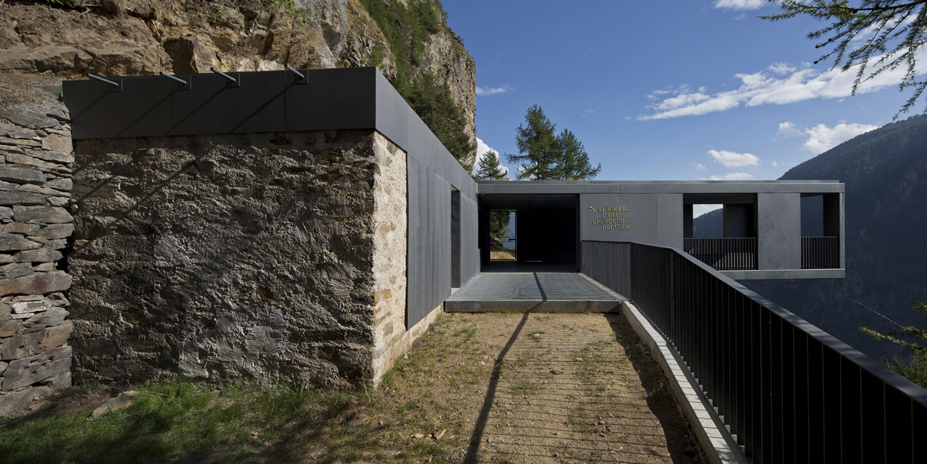
Architecturally, the Chamousira Mine Museum is a highlight. Nestled in a stunning panoramic structure, it was built on the site of the original cableway that transported minerals from the mine to the processing facilities. The museum showcases not only the mining equipment and techniques but also the stories of the miners themselves, often depicted in haunting photographs and detailed maps from the past. The Joseph Herbet Documentation Centre further enriches the experience, exhibiting a permanent collection that includes period cartographies and photographs that illuminate the mine's historical significance.
Local culture in Estoul is deeply intertwined with its mining heritage. The community celebrates various festivals, often highlighting the region's historical ties to mining through events that include traditional music, folk dances, and artisanal crafts. One notable event is the Festa del Miner, where locals pay homage to the miners' hard work and resilience. This festival not only demonstrates the pride the community has in its history but also serves as a gathering point for families and visitors alike.
When it comes to gastronomy, the Aosta Valley is renowned for its hearty mountain cuisine, deeply rooted in its agricultural traditions. Local dishes such as polenta and fonduta (a creamy cheese fondue) are staples, often paired with robust regional wines like Domaine de la Croix. Another must-try is the Lardo di Arnad, a cured pork fat seasoned with herbs, which reflects the valley's rich culinary heritage. Many local restaurants in Estoul offer these regional specialties, inviting visitors to indulge in the flavors of the mountains.
For those eager to delve deeper into the unique aspects of the Chamousira mine, there are lesser-known curiosities that add to its mystique. One such fact is that during its operational years, the mine was a bustling hub of activity, employing hundreds of miners who lived in nearby villages. Some of these miners were of varied nationalities, contributing to a melting pot of cultures and traditions in the area. Additionally, the mine's closure in the late 1980s left behind a series of ghostly remnants of mining equipment and structures, which have become a point of fascination for photographers and history enthusiasts alike.
The best time to visit the mine is during the summer months, from June to September, when the weather is milder and the landscape is adorned with vibrant wildflowers. Be sure to wear sturdy footwear, as the underground paths can be uneven, and bring a light jacket, as the temperature inside the mine tends to be cooler than outside. Guided tours run regularly, and it’s advisable to book in advance, especially during peak tourist seasons.
In conclusion, the Chamousira Fenilliaz Gold Mine is not merely a place to visit; it is a journey through time, offering insights into the struggles and triumphs of those who sought fortune in the depths of the earth. The combination of rich history, architectural beauty, and local culture makes this site a captivating destination for any traveler.
For a personalized journey through Estoul's hidden gems, consider using the Secret World app to craft your unique itinerary.


