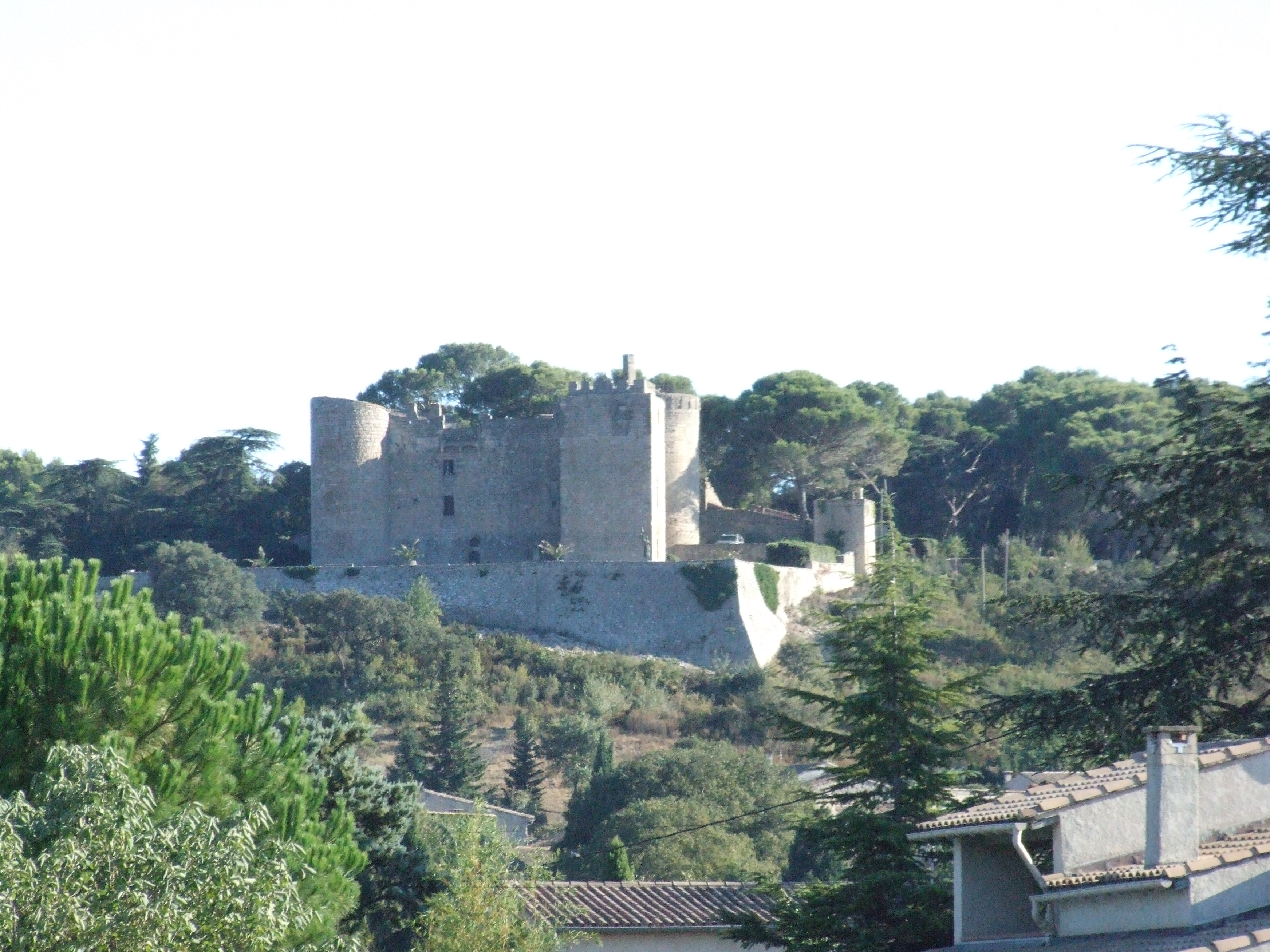

Nestled in the picturesque region of Boissières, France, the Château de Boissières stands as a testament to centuries of history and architectural evolution. Built around 1577, this remarkable structure is a blend of medieval fortifications and Renaissance aesthetics, captivating visitors with its storied past and captivating design.
### History and Origins
The roots of the Château de Boissières stretch back to the twelfth century, when a high quadrangular tower rose above the surrounding moat, fed by the tranquil waters of the Chéran River. This initial structure laid the groundwork for what would evolve into a formidable fortress. Throughout the thirteenth and fourteenth centuries, the castle underwent significant transformations, marked by the addition of a second square tower that featured three levels. A spiral staircase turret connected these two towers, enhancing the castle's defensive capabilities.
The Hundred Years' War saw the château occupied by English forces, an event that left indelible marks on its history. Following the Treaty of Brétigny in 1362, it was restored and repurposed under military families until the tumultuous times of the French Revolution. The architectural progression continued with the construction of a rectangular plan fortified house during the fourteenth and fifteenth centuries, complete with a round tower that later served as a bread oven. This evolution reflects the changing needs of its occupants, from military stronghold to a more domestic setting.
### Art and Architecture
The architectural style of the Château de Boissières is a fascinating amalgamation of medieval and Renaissance elements. Its sturdy blue sandstone from Craon, speckled stone, and shale not only provide structural integrity but also contribute to its aesthetic charm. The high chimney and various openings added over the centuries have changed the castle’s external appearance, inviting curiosity about its layered history.
Inside, visitors may find remnants of historical artworks and decorations that speak to the former opulence of this noble residence. Each room tells a story—whether through the intricate plasterwork that adorns the ceilings or the remnants of tapestries that once graced its walls. Exploring these spaces offers a glimpse into the lives of those who once called this castle home.
### Local Culture and Traditions
The village of Boissières itself is steeped in local customs and traditions that reflect the region's rich heritage. The annual Fête de la Saint-Jean, celebrated in June, is a vibrant festival where locals come together to enjoy music, dance, and traditional food, all while honoring the summer solstice. This festival, along with other seasonal celebrations, showcases the community spirit and the deep-rooted traditions that define Boissières.
Artisans in the region continue to uphold traditional crafts, from pottery to textile weaving. These practices not only preserve the cultural identity of the area but also engage visitors, offering workshops and demonstrations that invite participation.
### Gastronomy
No visit to Boissières would be complete without indulging in local gastronomy. The region is known for its hearty dishes that reflect the agricultural bounty of the surrounding countryside. Truffade, a delicious dish made with potatoes and cheese, is a highlight, often paired with local wines such as Côtes du Rhône. The area’s fertile lands produce a variety of fruits and vegetables, which can be savored in the seasonal markets that pop up throughout the year.
Additionally, the nearby vineyards produce exquisite wines that complement the local fare, making for an unforgettable dining experience in a rustic setting. Visitors can partake in wine tastings, learning about the unique terroir that shapes the flavors of the region.
### Lesser-Known Curiosities
While the Château de Boissières is a prominent historical site, there are lesser-known stories that add intrigue to its legacy. For instance, the castle’s spiral staircase was not just a functional element but also a strategic design choice, allowing defenders to maintain an advantage over attackers. Moreover, local legends speak of hidden passages and secret rooms that were used for both defense and escape during times of siege.
Another fascinating detail is the way the château’s architecture reflects the evolution of military needs over time. The transition from a purely defensive structure to one that incorporated domestic comforts illustrates the broader changes in society during the late Middle Ages.
### Practical Visitor Information
For those wishing to explore the Château de Boissières, the best time to visit is during the late spring and early autumn months when the weather is mild and conducive for exploration. Although the château is currently private property, guided tours may be arranged through local heritage organizations, offering deeper insights into its history and architecture.
Make sure to take a leisurely stroll around the surrounding moat and gardens, where the views of the castle are particularly stunning. Don’t forget to engage with local artisans and farmers to truly experience the culture of Boissières.
To create a personalized itinerary for your visit to Boissières, consider using the Secret World app.
