

The vines extend in precise rows over a gravelly terrain that the afternoon sun slowly warms, while the neoclassical facade of the castle stands white against the sky of the Gironde. Château Margaux, located in the municipality of Margaux-Cantenac in the Gironde department, is one of the five Premier Grand Cru Classé recognized by the classification of 1855 desired by Napoleon III during the Exposition Universelle in Paris. That classification, which has remained almost unchanged to this day, placed Margaux at the absolute pinnacle of Bordeaux production, and the judgment has never been seriously contested.
The building that is visited today was constructed in the early years of the 19th century, between 1810 and 1816, based on the design of architect Louis Combes, who created a neoclassical structure with an imposing colonnade and a rigorous symmetry that recalls Greek temples. The property was purchased in 1977 by the Mentzelopoulos family, who initiated a restoration program and significant investment in both the vineyards and the cellars, bringing the wine back to the highest quality levels after a difficult period. André Mentzelopoulos, and then his daughter Corinne, have led this revival with a long-term vision that is still reflected today in every bottle produced.
The terroir of gravel: why this soil is unique
The secret of Château Margaux begins underfoot. The estate's soil is primarily composed of deep glacial gravel, low in nutrients but with excellent drainage. This characteristic forces the roots of the vines to dig deep in search of water, absorbing minerals layered in the subsoil and developing an aromatic complexity that more fertile soils cannot offer. The Cabernet Sauvignon is the dominant grape variety, with percentages varying around 80-85% in the blend of the Grand Vin, accompanied by Merlot, Petit Verdot, and Cabernet Franc in varying proportions depending on the vintage.
The microclimate of the Margaux area, slightly cooler than other parts of the Médoc due to the proximity of the Gironde estuary, contributes to a slow ripening of the grapes that preserves acidity and promotes floral aromas — violet is the most cited note by experts — which makes this wine recognizable among many. Those who visit the estate in September, during the harvest, can observe teams of pickers working manually among the rows: hand harvesting is a production choice maintained to ensure the selection of the bunches.
The cellars and aging in barriques
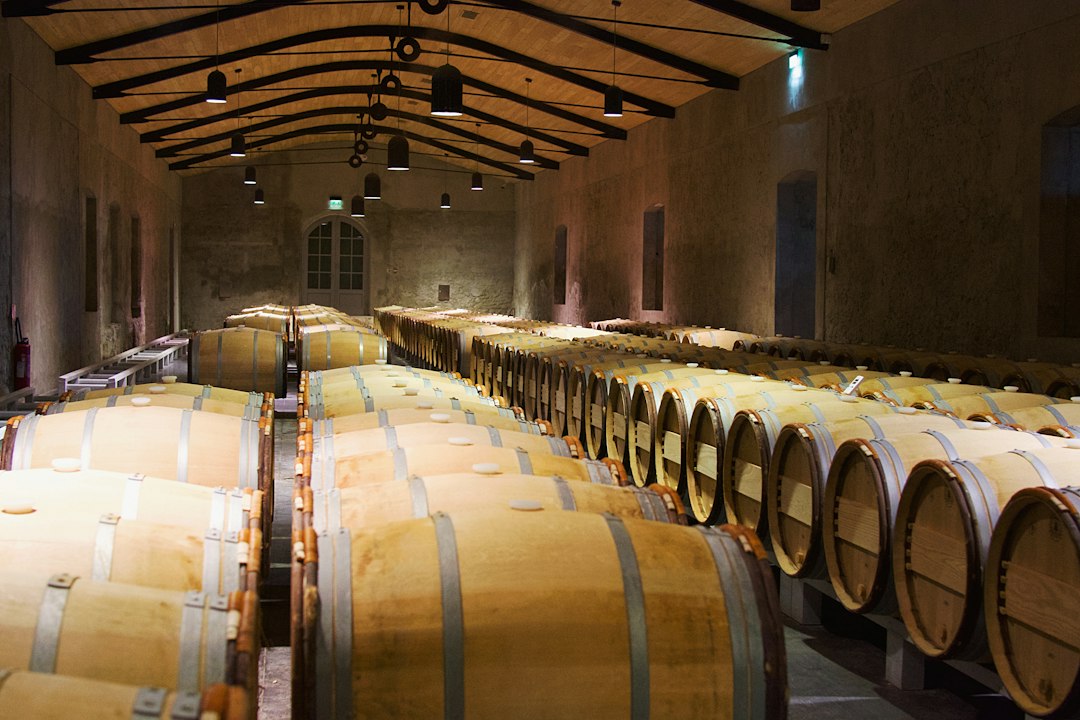
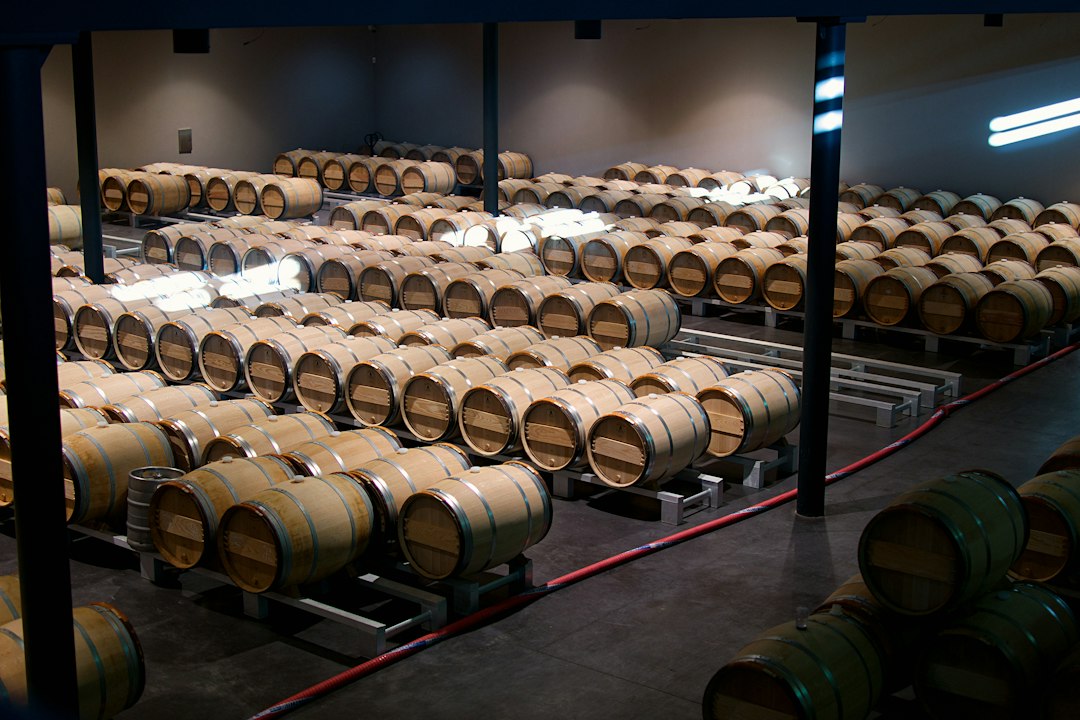
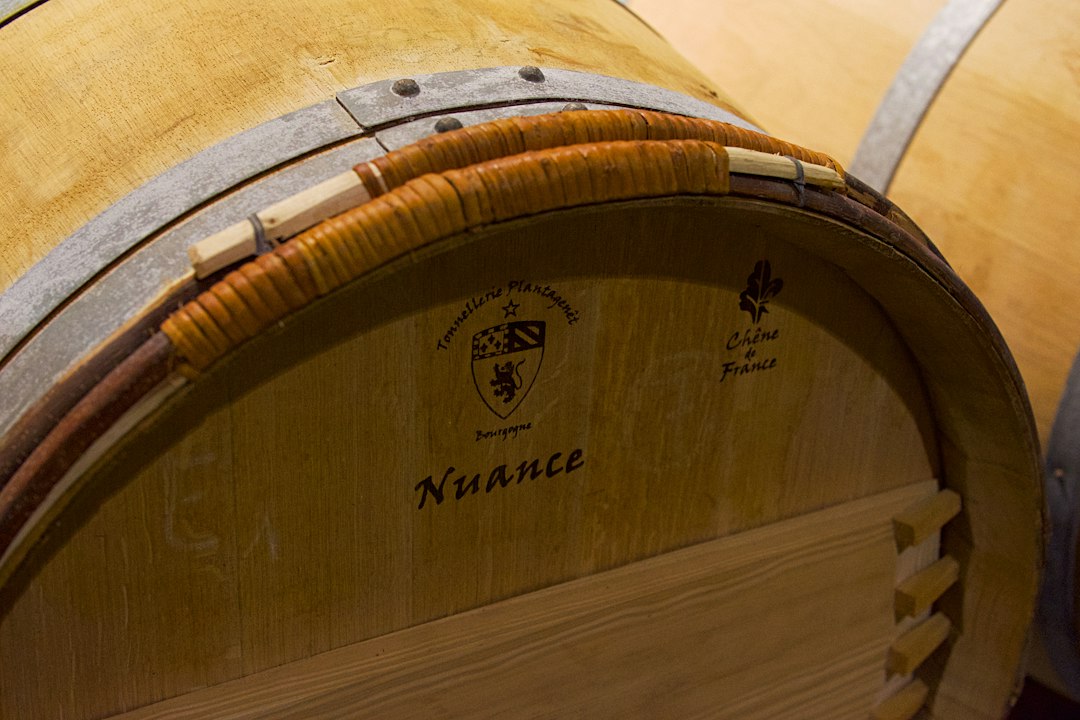
The guided tour of the cellars is the most evocative moment of the journey. Beneath the foundations of the castle are the chai, the aging rooms where the French oak barriques are arranged in orderly rows. The wine rests in 100% new barrels for the Grand Vin, for a period of about 18-22 months before bottling. The smell that is perceived upon entering the cellars is that of wood, of wine in slow fermentation, and of a controlled humidity that maintains the ideal conditions for aging.
The estate also produces a second wine, called Pavillon Rouge du Château Margaux, made from the younger plots or from grapes that do not meet the standards of the Grand Vin. There is also a white wine, the Pavillon Blanc, produced from Sauvignon Blanc grapes on a separate plot: it is one of the rare high-quality white wines of the Médoc, an area traditionally devoted to reds.
The tasting experience
Visits to Château Margaux are not open to the general public without a reservation: it is necessary to contact the property in advance, and visits are generally reserved for industry professionals, importers, and invited guests. However, some agencies specializing in wine tourism organize access for private groups, and it is worth checking this possibility at least two or three months in advance of the desired date. The tasting, when included, may involve the Pavillon Rouge rather than the Grand Vin, whose price per bottle often exceeds 500 euros in recent vintages.
For those who still want to get close to the experience, the village of Margaux and the surrounding municipalities offer more accessible wineries where you can taste wines from the appellation. The practical advice is to arrive in the area in the morning, when the slanting light illuminates the vineyards and the temperatures are cooler, and to allow at least half a day to combine an external visit to the castle — the facade is visible from the road — with a tasting at a nearby winery. Bordeaux-Mérignac Airport is about 40 kilometers away, and the area can be reached by car or with private transfer services. Margaux is not a place you go to by chance: it requires planning, but it offers a sensory and architectural experience that few other places in the world can provide together.


