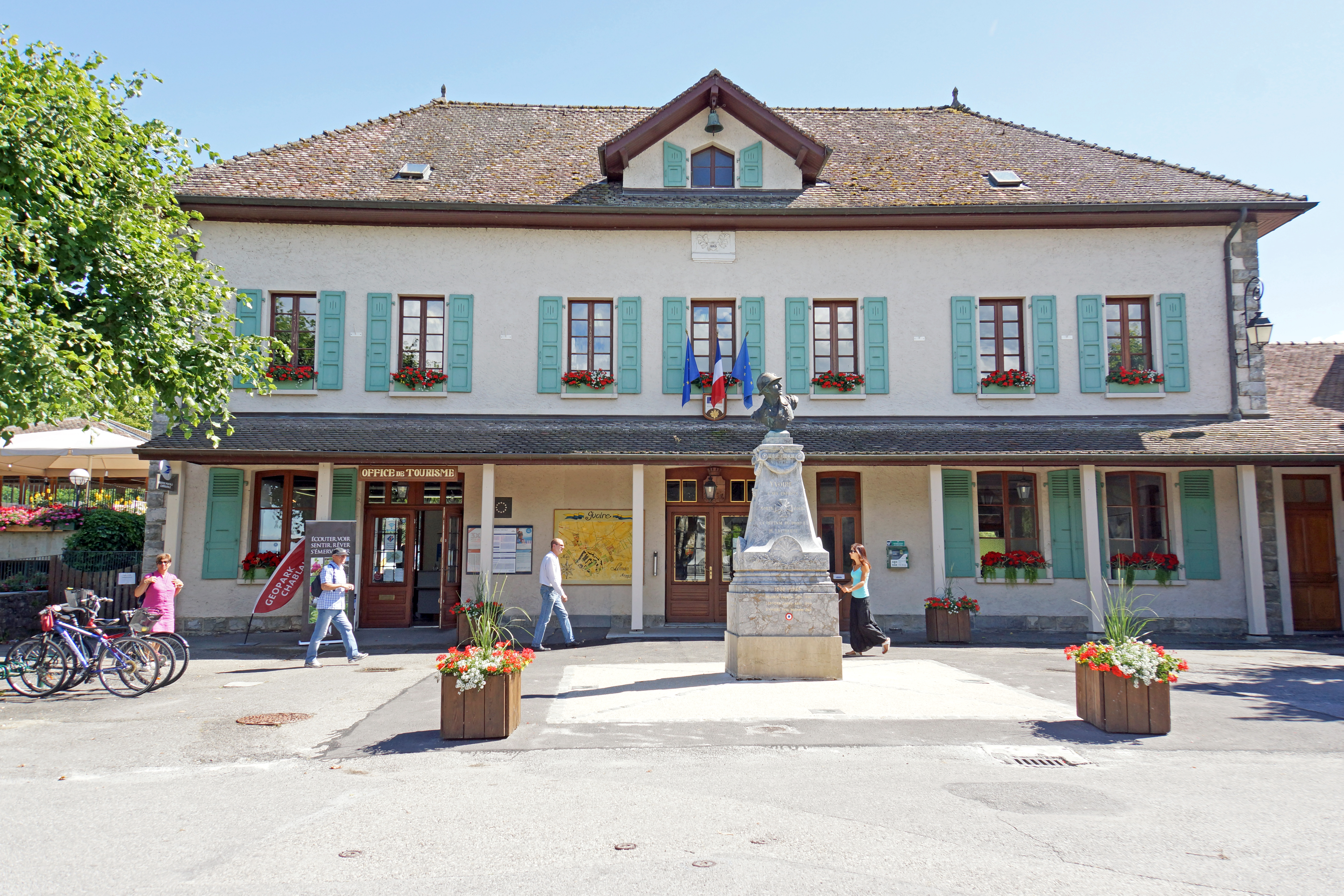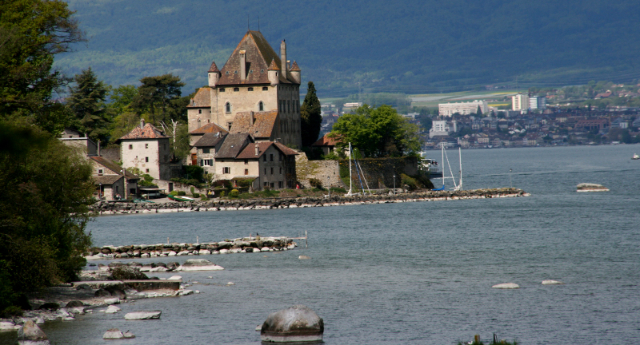

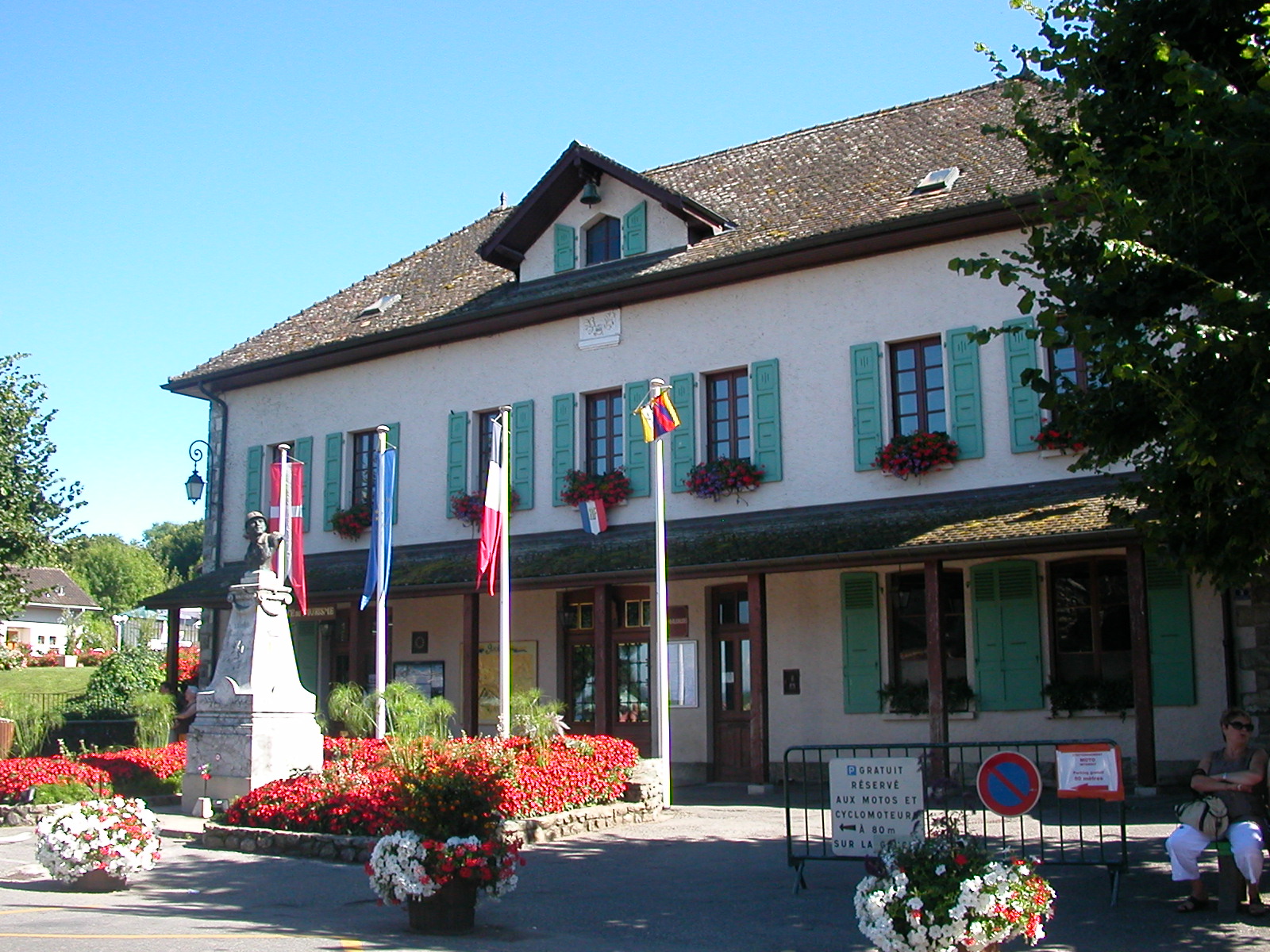
Yvoire, a picturesque gem on the French shores of Lake Geneva, is a place where time seems to stand still. Nestled at the crossroads of history and natural beauty, this enchanting chateau-village has captivated visitors for centuries with its medieval charm and rich cultural tapestry.
### History and Origins Founded in 1306 by the Count of Savoy Amédée V, Yvoire was strategically fortified to oversee the navigation routes and protect the critical road connecting Geneva to the Rhone Valley and onward to Italy. This medieval stronghold quickly became a focal point in various strategic and religious conflicts involving the French, Bernese, and Genevans. The castle endured a devastating fire in 1591, and it wasn't until the 20th century that Félix Bouvier d'Yvoire restored it to its present state, complete with a new roof and watchtowers in 1939.
### Art and Architecture Yvoire's architecture is a testament to its medieval origins, with the Château d'Yvoire at its heart. The castle features classic fortified elements like robust stone walls and corner turrets, illustrating the defensive needs of the era. As you stroll through the village, the stone houses adorned with flowering balconies echo the artistic sensibilities of past centuries. The Garden of Five Senses, a living artwork itself, invites visitors to engage with nature through sight, smell, taste, touch, and sound—a modern homage to the village's historical and artistic lineage.
### Local Culture and Traditions The village thrives on its vibrant cultural traditions, with events like the Fête de la Saint-Jean, celebrating the summer solstice with music and bonfires. The Medieval Festival, held annually, transforms Yvoire into a lively tableau of history, with locals donning period costumes and reenacting scenes from its storied past. These events highlight the community's dedication to preserving and celebrating its heritage.
### Gastronomy Gastronomy in Yvoire offers a delightful exploration of Savoyard flavors. Local specialties like filet de perche—a perch fillet from Lake Geneva—are a must-try, often served with creamy sauces and fresh herbs. Pair this with a glass of Chasselas, a crisp white wine from nearby vineyards, to experience the region's culinary richness. Don't miss trying tartiflette, a hearty dish of potatoes, cheese, and lardons, reflecting the hearty cuisine rooted in the region's alpine traditions.
### Lesser-Known Curiosities Beyond its famed attractions, Yvoire holds secrets waiting to be discovered. The village's ancient ramparts offer hidden pathways for those keen to explore its fortifications. Look for the secret gardens tucked between stone houses, where timeworn sculptures and blooming flora create serene retreats. A little-known fact is the whispering gallery near the church, where acoustics allow whispers to travel surprising distances.
### Practical Visitor Information Visiting Yvoire is best during the late spring or early autumn when the weather is mild, and the crowds are thinner. Take the time to wander through the cobblestone streets and admire the village's floral displays, which have won several awards for their beauty. Keep an eye out for local artisans selling handcrafted goods, perfect for a unique souvenir. Remember to wear comfortable shoes, as the village's historic terrain can be uneven.
For an effortlessly personalized itinerary to explore the enchanting village of Yvoire, download the Secret World app.