
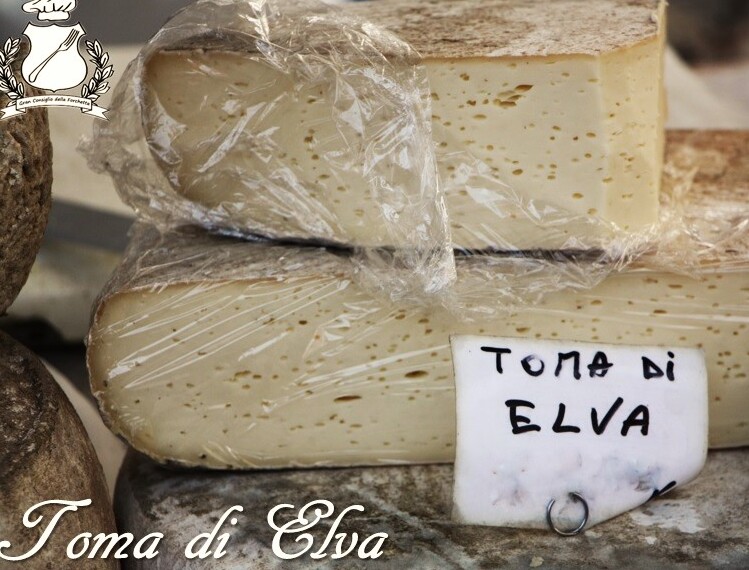

Nestled in the heart of the Piedmont region, Toma di Elva is more than just a cheese; it's a rich tapestry of history, culture, and gastronomy. This semi-fat, raw, and pressed cheese, originating from the quaint village of Elva, reflects centuries of tradition and artisanal craftsmanship that are deeply embedded in the local lifestyle. As we delve into the history of Toma di Elva, we find that its roots can be traced back to ancient times when shepherds roamed the rugged hills of the Cottian Alps. The cheese was a staple for these pastoral communities, providing essential nourishment during long treks through the mountainous terrain.
The earliest documentation of Toma di Elva dates back to the 19th century, but its methods likely extend far beyond that. The cheese was traditionally made by local farmers using the milk from their cows, which grazed on the lush pastures filled with wild herbs and grasses unique to the region. This connection to the land is what gives Toma its distinctive flavor profile, characterized by a straw-yellow paste and a crumbly texture that evolves with age.
Elva itself is a picturesque village, characterized by its medieval architecture and stunning views of the surrounding mountains. The local buildings, primarily made from stone, reflect a harmonious blend of utility and beauty, typical of the Piedmontese style. Walking through its narrow streets, one can observe the charming facades adorned with wooden shutters and flower boxes, transporting visitors back in time.
The cultural significance of Toma di Elva extends beyond its culinary applications. The local customs and traditions surrounding its production are celebrated during various festivals throughout the year. One of the most notable events is the Festa del Formaggio, held in late summer, where locals and visitors gather to celebrate not just Toma but all forms of local cheese. This festival showcases traditional music, dance, and culinary demonstrations, providing an immersive experience into the life of the Elvese people.
In addition to Toma di Elva, the region boasts a rich culinary landscape. Local specialties include agnolotti, a type of stuffed pasta, and bagna cauda, a warm dip made of garlic and anchovies served with fresh seasonal vegetables. Pairing these dishes with a glass of Barbera d'Alba or Dolcetto wine creates a perfect gastronomic experience that highlights the flavors of Piedmont.
For those intrigued by lesser-known curiosities, Toma di Elva has an interesting story behind its evolution. Traditionally, this cheese was made in small batches, influenced by the seasonal availability of milk and the artisanal methods passed down through generations. Today, while modern techniques may enhance production, many local producers remain committed to preserving the traditional methods, ensuring the authenticity of Toma di Elva.
Visiting Elva offers a unique opportunity to witness the traditional cheese-making process firsthand. Local dairies often welcome visitors for guided tours, where you can taste fresh Toma and learn about its production. The best time to visit is during the summer months when the pastures are lush and the village is alive with activity.
When planning your trip, consider exploring the surrounding nature trails that highlight the breathtaking landscapes of the Cottian Alps. Hiking through these serene paths allows you to connect with the environment that nourishes the cows providing milk for Toma di Elva, deepening your appreciation for this unique cheese.
In summary, Toma di Elva is not just a product of its environment; it is a testament to the enduring spirit of Piedmontese culture and community. With its rich history, vibrant local traditions, and delectable flavors, a visit to this charming village will leave you with lasting memories and a greater understanding of Italy's culinary heritage. For a personalized journey through this enchanting region, consider using the Secret World app to craft your ideal itinerary.


