
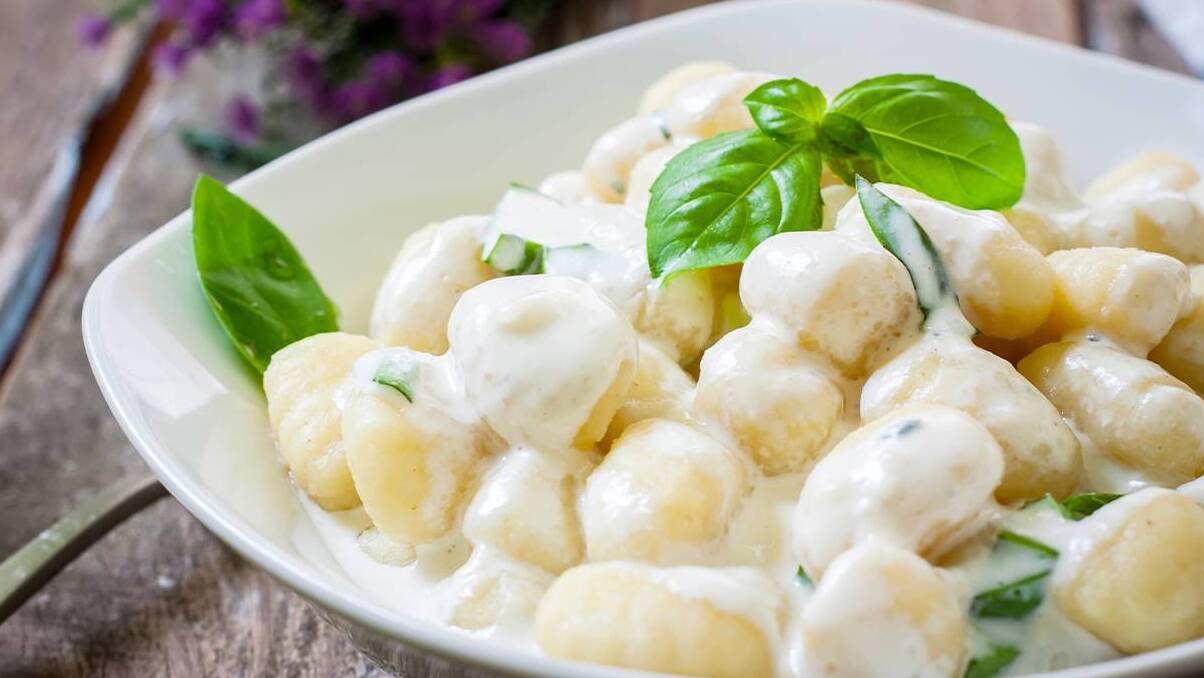

Nestled in the heart of the Piedmont region, the province of Cuneo offers more than just breathtaking landscapes and a serene atmosphere. It is a culinary haven, where tradition meets innovation, particularly in the form of a sumptuous dish: gnocchi with Castelmagno cheese. This delightful concoction traces its origins back to the creative imagination of gastronome Luigi Veronelli, a pioneer in promoting traditional Italian gastronomy.
The history of Castelmagno cheese itself is nothing short of fascinating. Produced exclusively in the Valle Grana of the Cuneo province, Castelmagno dates back to the 12th century. This cheese has been cherished for its unique taste and crumbly texture, attributed to the rich alpine pastures where the cows graze. Documented in various historical records, including a 1277 deed, Castelmagno was once used as a currency to pay taxes to the Marquis of Saluzzo. Such was its value and importance that it was considered a luxury item, reserved for the nobility.
The province of Cuneo is not only rich in gastronomy but also in art and architecture. The town of Saluzzo, for example, is renowned for its medieval charm, with narrow cobblestone streets and well-preserved architecture. The Castiglia, a fortress turned museum, offers insights into the region's past with its extensive collections. The Cathedral of San Giovanni, with its Gothic architecture, stands as a testament to the artistic prowess of the region, adorned with intricate frescoes and sculptures that date back to the 15th century.
Cultural traditions in Cuneo are deeply intertwined with its agricultural roots. Festivals like the Fiera del Bue Grasso in Carrù celebrate the region's livestock heritage, drawing visitors to witness the grand parade of prized cattle. The Occitan culture, which permeates the valleys, brings a unique linguistic and musical tradition to the area, with festivals celebrating Occitan songs and dances.
The gastronomy of Cuneo extends beyond gnocchi and Castelmagno cheese. The region is famed for its truffles, especially the white truffles of Alba, and offers a bounty of locally produced wines such as Barolo and Barbaresco. These are often paired with another regional delicacy, bagna càuda, a warm dip made with garlic, anchovies, and olive oil, perfect for cold winter nights.
For those seeking unique experiences, Cuneo offers plenty of lesser-known curiosities. The Santuario di San Magno, perched high in the Valle Grana, is an unexpected find. This sanctuary, with its pastel frescoes, offers not only spiritual respite but also panoramic views of the surrounding valleys. A little-known fact is that the region's air is considered some of the purest in Italy, thanks to its elevation and sparse population, making it a haven for wellness and relaxation.
Visitors to Cuneo should plan their trip during the spring or fall when the weather is mild and the landscape is at its most vibrant. The Cheese Festival in Bra, held every two years in September, is a must-visit for cheese enthusiasts, offering a chance to taste Castelmagno in various forms. When visiting, it is wise to explore the local trattorias, where gnocchi with Castelmagno is prepared with traditional recipes passed down through generations.
As you savor the creamy, nutty flavors of Castelmagno cheese melting over perfectly cooked potato gnocchi, you are not just enjoying a meal but partaking in a rich tapestry of history, culture, and tradition. The province of Cuneo, with its culinary delights and historical wonders, invites you to discover its many layers, each more fascinating than the last.


