
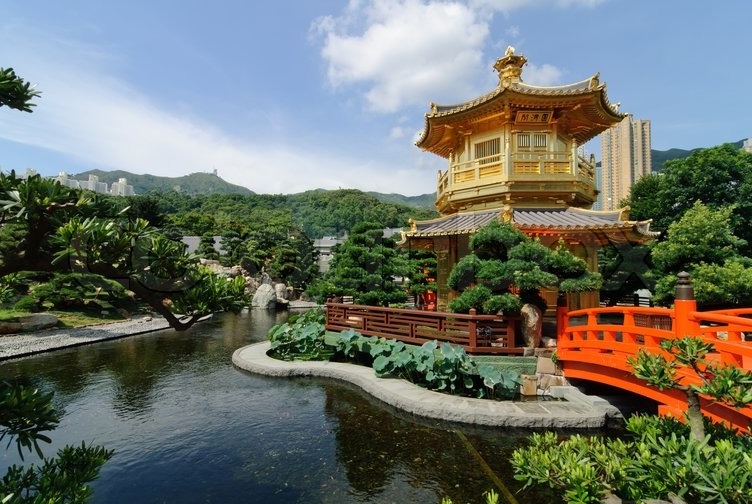

Nestled amidst the bustling metropolis of Hong Kong, the Chi Lin Nunnery offers a serene escape, steeped in history and artistry. Established in 1934, this stunning complex is a testament to Buddhist devotion and traditional Tang dynasty architecture, harmoniously blending spirituality with nature. The nunnery was initially founded to provide a place for nuns to live and practice their faith, but it has since evolved into a cultural landmark attracting visitors from around the world.
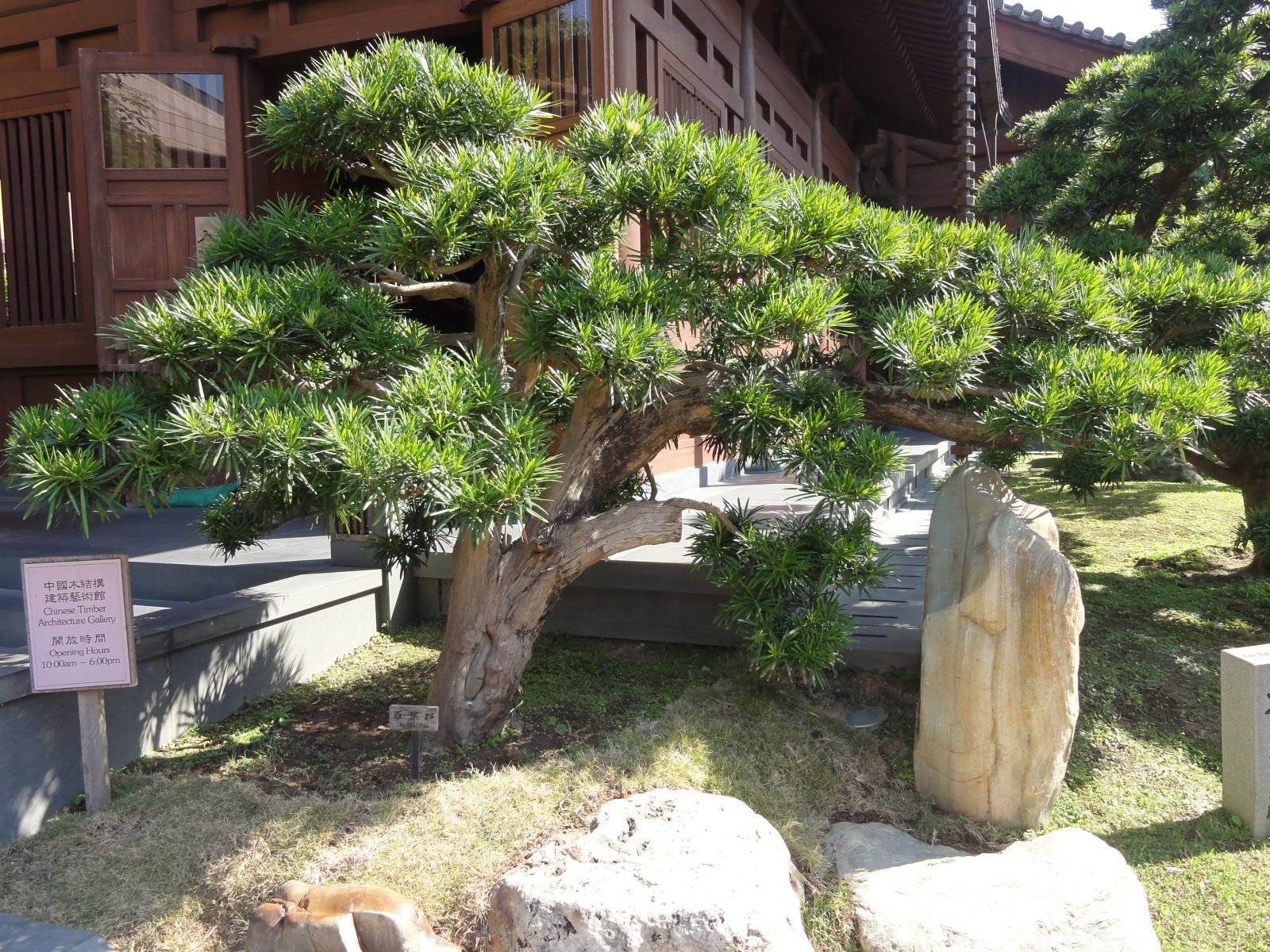
In 1990, a significant renovation transformed the nunnery into its current form, reflecting the architectural grandeur of the Tang dynasty (AD 618–907). The intricate woodwork, crafted without the use of nails, showcases the skill of artisans who embraced traditional techniques. As you stroll through the complex, the elegant wooden structures, set against the backdrop of lush greenery, create a peaceful oasis in the heart of the city.
Among the highlights of the nunnery are the temple halls, which house an impressive collection of Buddhist relics. Notable sculptures include the Sakyamuni Buddha and various bodhisattvas, rendered in materials such as gold, clay, and wood. Each statue is not just a work of art but a spiritual icon that embodies the teachings of Buddhism.
The nunnery is not only a place of worship but also a vibrant center of local culture. Visitors may witness daily rituals, including chanting and meditation, which offer insight into the spiritual life of the nuns. Festivals such as Vesak, celebrating the birth, enlightenment, and death of the Buddha, are significant events that draw crowds, transforming the nunnery into a lively hub of activity.
In terms of gastronomy, the Chi Lin Nunnery is closely linked to traditional vegetarian cuisine. The nearby Chi Lin Vegetarian Restaurant offers authentic dishes that reflect Buddhist principles of non-violence and compassion towards all living beings. Signature dishes include stir-fried seasonal vegetables, tofu, and various rice delicacies, all prepared with an emphasis on fresh, local ingredients.
For those curious about lesser-known aspects, the nunnery's tranquil lotus ponds are often overlooked by tourists. These ponds not only enhance the aesthetic beauty of the complex but also symbolize purity and enlightenment in Buddhist philosophy. Furthermore, the nunnery is home to a unique wooden sculpture of the Avalokiteshvara, the bodhisattva of compassion, which is a must-see for art enthusiasts.
Practical visitor information is essential for making the most of your experience at Chi Lin Nunnery. The best time to visit is during weekdays when the nunnery is less crowded, allowing for a more contemplative atmosphere. Early mornings are particularly serene, as the nuns engage in their morning rituals. Remember to dress modestly out of respect for the sacred space, and be prepared to remove your shoes when entering the temple halls.
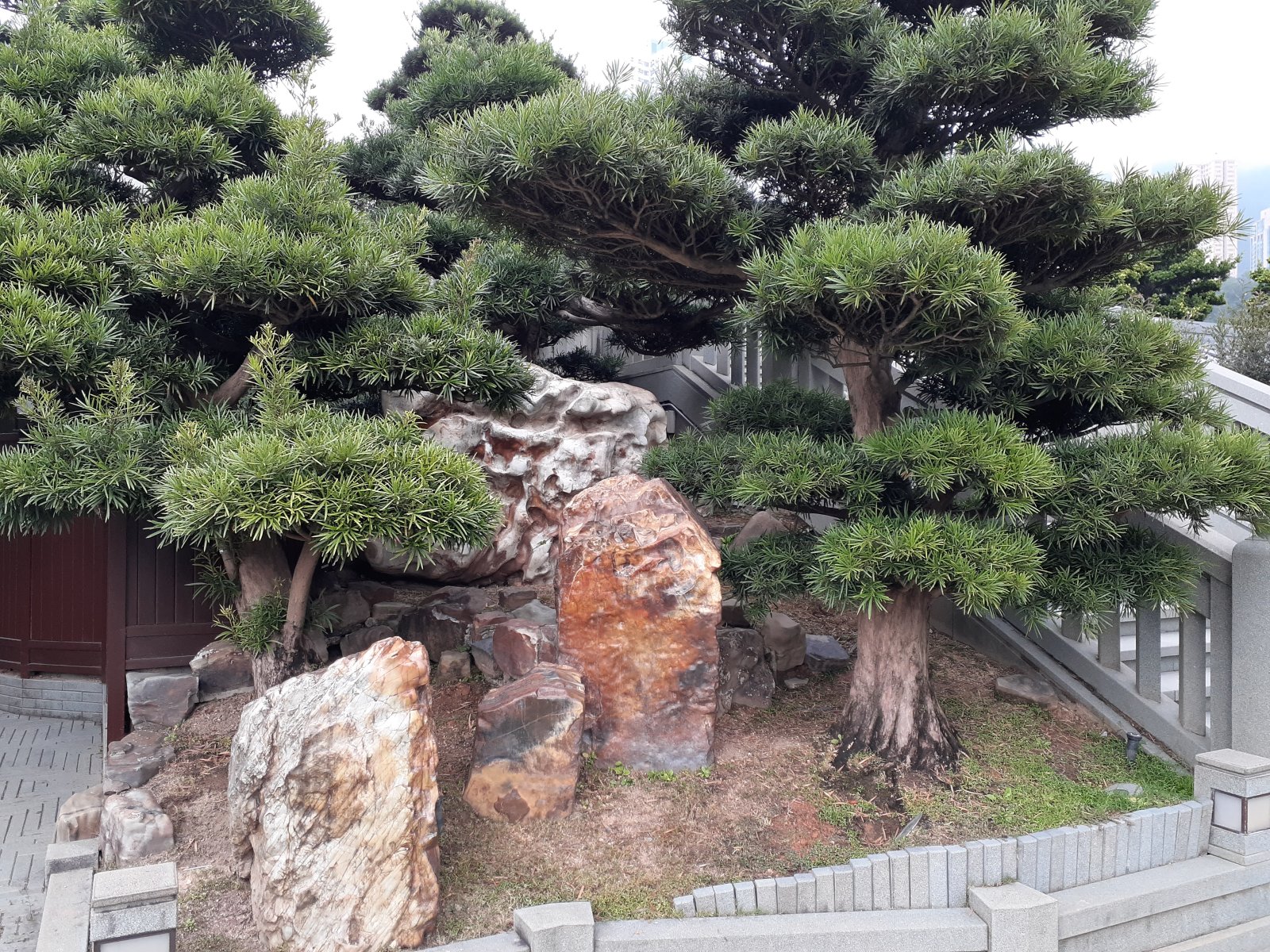
As you explore the nunnery, take your time to appreciate the intricate details of the architecture and the tranquil sound of nature surrounding you. Look out for the Chinese garden, which showcases traditional landscaping techniques and offers a peaceful spot for reflection. Don't miss the opportunity to sit by the ponds and enjoy the sight of lotus flowers in bloom, especially during the summer months.
In conclusion, a visit to Chi Lin Nunnery is not just a journey into a spiritual haven; it’s an exploration of Hong Kong’s rich cultural tapestry. From its historical roots to its artistic treasures, the nunnery offers a unique glimpse into the harmonious coexistence of tradition and modernity. For a more personalized experience, consider using the Secret World app to plan your itinerary around this serene destination.


