
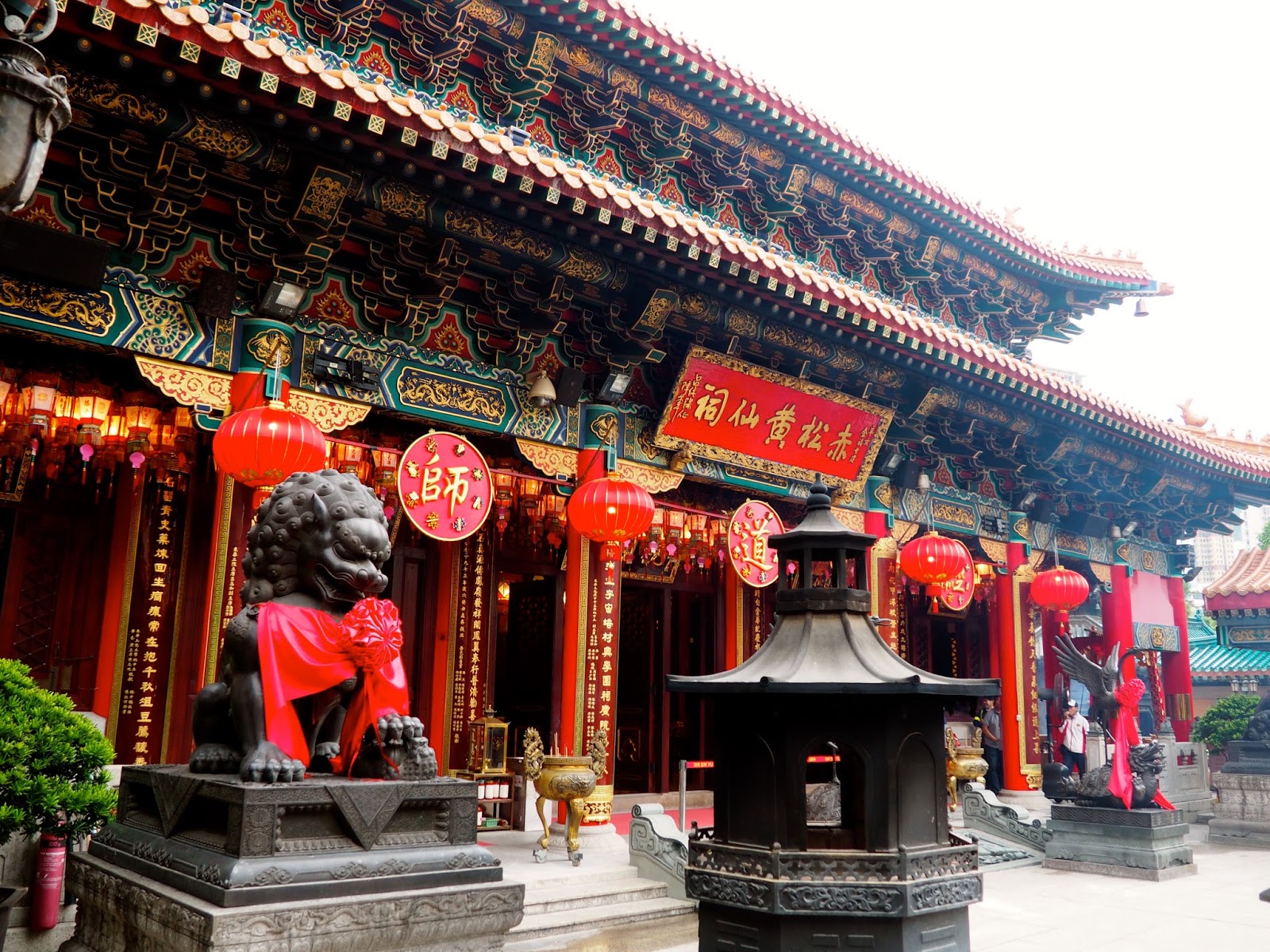

Nestled in the bustling district of Kowloon, Wong Tai Sin Temple stands as a vibrant testament to Hong Kong's rich spiritual heritage. This remarkable temple, dedicated to the Great Immortal Wong, is a sanctuary where locals and tourists alike flock to seek blessings and express their wishes. Its allure lies not just in its spiritual significance, but also in its captivating history and cultural depth.
History and Origins
The origins of Wong Tai Sin Temple trace back to the early 20th century, specifically to 1921 when it was founded by a Chaozhou man named Yau Lung. He began to worship Wong Tai Sin, a legendary figure believed to have been born in the 4th century. According to folklore, Wong Tai Sin was a healer who could cure ailments and grant wishes, attracting many to his teachings. The temple originally started as a small shrine but rapidly gained popularity, leading to its expansion in the 1950s, particularly after it became a focal point for the local community.
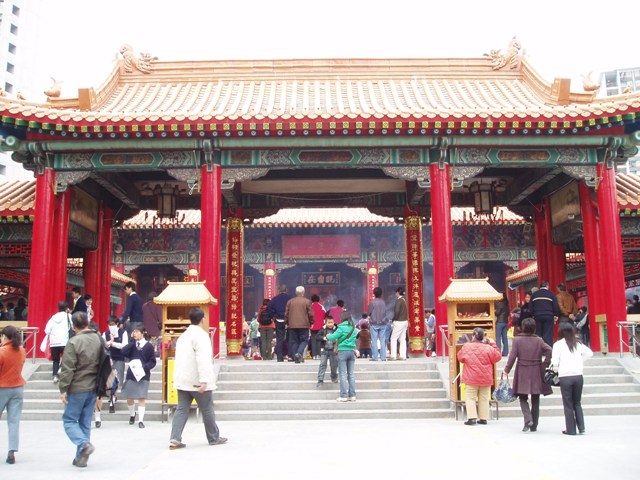
A significant event in the temple's history occurred in 1956 when it was officially renamed Wong Tai Sin Temple, aligning with the growing reverence for Wong Tai Sin as a deity. Over the years, the temple has attracted millions of visitors, becoming one of Hong Kong's most visited sites. The annual Wong Tai Sin Festival, held on the 15th day of the 1st lunar month, draws crowds for the celebration of the deity's birthday, showcasing the temple's enduring legacy.
Art and Architecture
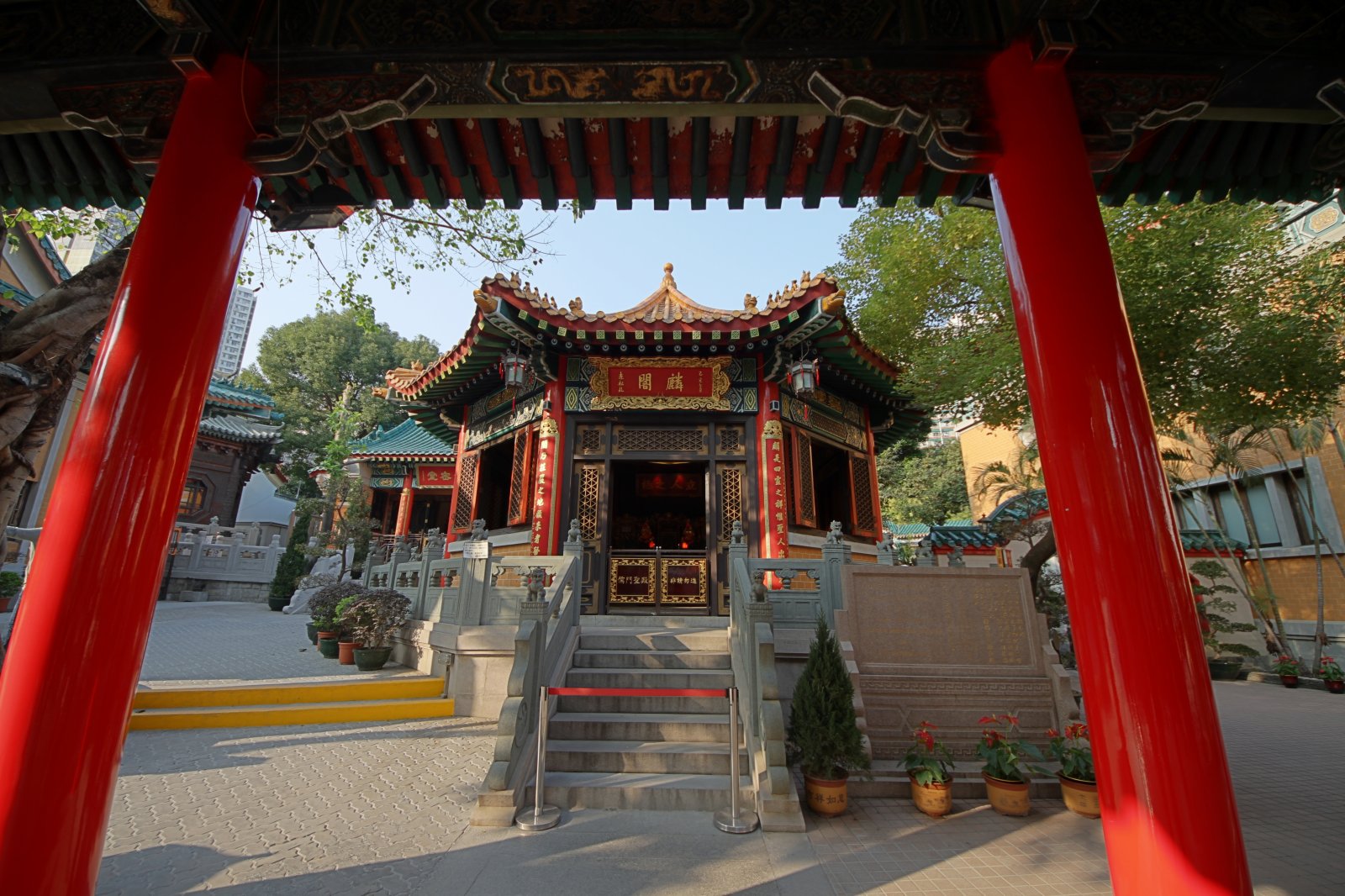
Wong Tai Sin Temple is a stunning example of traditional Chinese architecture, characterized by its ornate roofs, vibrant colors, and intricate carvings. The temple complex spans over 18,000 square meters, featuring various halls, pavilions, and gardens that harmoniously blend with the natural landscape.
The Main Hall, where the statue of Wong Tai Sin resides, is adorned with intricate frescoes and beautifully crafted altars. Visitors are often captivated by the Kuan Yin Pavilion, dedicated to the Goddess of Mercy, which showcases delicate sculptures and a serene atmosphere. The use of bright red and gold colors throughout the temple symbolizes good fortune and happiness, inviting worshippers to immerse themselves in its spiritual ambiance.
Artistic significance is evident in the temple's many calligraphic inscriptions, most notably the couplets that decorate its walls. These inscriptions, written by renowned calligraphers, convey prayers and blessings, adding a layer of cultural depth to the worship experience.
Local Culture and Traditions
Wong Tai Sin Temple is not only a spiritual haven but also a hub of local culture. Visitors can witness various customs and traditions that have been passed down through generations. One of the most popular practices is kau cim, a method of fortune-telling involving the shaking of bamboo sticks. Worshippers ask a question, and the sticks that fall out guide them to their fortune, which is often interpreted by temple priests.
The temple is particularly lively during major festivals, such as the Chinese New Year. During this time, the temple is adorned with festive decorations, and visitors throng to make wishes for the upcoming year. The Birthday of Wong Tai Sin festival is another significant event, featuring vibrant parades, traditional performances, and the offering of fruits and incense. This rich tapestry of cultural practices highlights the temple's importance in the local community.
Gastronomy
No visit to Wong Tai Sin Temple would be complete without indulging in local culinary delights. The surrounding area boasts a plethora of food stalls and eateries where visitors can sample traditional Hong Kong street food.
One must-try dish is dim sum, a culinary art that reflects the region's heritage. Steamed buns, dumplings, and egg tarts are just a few of the delicacies that can be savored nearby. Additionally, the famous pineapple bun and egg waffles are local favorites that capture the essence of Hong Kong's gastronomic scene.
For those looking for something more traditional, the nearby eateries often serve congee and wonton noodles, dishes that hold a special place in the hearts of locals. Pair your meal with a cup of Hong Kong-style milk tea for a complete experience.
Lesser-known Curiosities
Beyond its prominent features, Wong Tai Sin Temple holds several lesser-known curiosities that often surprise first-time visitors. One of these is the presence of goldfish in the temple's ponds, which are believed to bring good luck and prosperity. Additionally, the "Three Wishes" wall, where visitors can write their wishes on paper and pin them to a designated area, offers a unique interactive experience that symbolizes hope and aspiration.
Another intriguing detail is the "Wishing Tree," where devotees tie their wishes onto branches using red ribbons. This practice is steeped in tradition and adds to the temple's enchanting atmosphere, as the tree becomes adorned with colorful fragments of hope.
Practical Visitor Information
The best time to visit Wong Tai Sin Temple is during the early morning or late afternoon when the sunlight casts a golden hue on the temple's vibrant colors. Weekdays are generally less crowded, allowing for a more intimate experience. Visitors are encouraged to dress modestly and respectfully, as this is a place of worship.
While at the temple, be sure to explore the various halls and pavilions, taking time to observe the rituals performed by dedicated worshippers. The temple grounds also feature lush gardens that provide a serene setting for reflection.
To enhance your visit, consider utilizing the Secret World app to craft a personalized itinerary, ensuring you capture the essence of Wong Tai Sin Temple and its surrounding attractions.


